
Technical notes
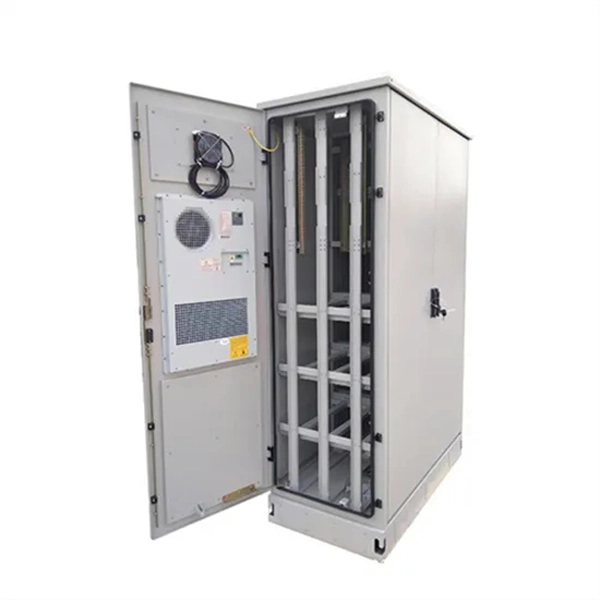
Move to a Hot Aisle/Cold Aisle Layout
Hot aisle/cold aisle layout can still be used in server rooms without raised floors: distinct hot and cold aisles can be created by rearranging server rack locations and then reconfiguring the ductwork above.
Common Server Rack Configurations Explained | AMCO
This arrangement places server racks in alternating rows where equipment fronts face each other to form cold aisles, while the backs create hot aisles. Cold air flows into the front of servers, and hot
Solved: Hot / Cold Aisle Design
They argue that we only need 3-4 feet max between rows, in order to remove equipment from the racks. In theory, they are correct but it would be a very confined space.
FOCUSED COOLING USING COLD AISLE CONTAINMENT
Arranging racks into a hot aisle/cold aisle configuration (discussed at right) is a cooling best practice that has been implemented to improve the efficiency of raised floor data centers.
Can containment adapt to non-standard aisle lengths or layouts?
Data center containment strategies explained: optimize cooling efficiency, support high-density racks, reduce energy consumption, and enable scalable, future-ready infrastructure with hot aisle, cold
Hot Aisle / Cold Aisle: Small Server Room Airflow
Hot aisle / cold aisle is the standard in large data centers; but the basic rules apply effectively even in a small SME server room. This guide shows the practical steps.
Hot Aisle vs Cold Aisle Containment Explained (Data
In this guide, we''ll break down how hot aisle and cold aisle configurations work, what containment systems do, and why airflow
Data Center Design: Hot Aisle & Cold Aisle – Length and Width
Proper aisle planning isn''t just about airflow—it''s about optimizing safety, serviceability, and system efficiency. By adhering to these length and width standards, data center designers can enhance
Data Center Hot Aisle/Cold Aisle Layout Design
Are you interested in creating the most energy efficient design for your Data Center Server Room? Consider the Hot Aisle/Cold Aisle layout design.
What are hot and cold aisles in the data center?
In its simplest form, hot/cold aisle data center design involves lining up server racks in alternating rows, with cold air intakes facing one way and the hot air exhausts facing the other. The
Comprehensive Guide to Server Rack Cooling
Learn how server rack cooling prevents overheating, boosts performance, and ensures reliability with expert tips and advanced solutions.
Cold Aisle Containment in Data Centers | Subzero
Cold aisle containment works best when: the data center''s raised floor supplies air through perforated tiles in front of IT racks and there''s no drop ceiling plenum or
Server Rack Layout Best Practices — Data Room Equipment Planning
Adhering to server rack layout best practices is essential in ensuring the optimal arrangement of equipment, which significantly contributes to the overall effectiveness and safety of the server room.
7 Keys to Adding Server Rack Cooling in Any Environment | Rittal
Unlike the traditional “no-containment” cooling method that maintains a target temperature while trying to minimize mixing of hot and cold air, today''s room-based cooling can use aisle containment to direct
A Guide to Hot and Cold Aisle Containment for Optimizing Server
Training and Awareness The hot and cold aisle strategy is a proven method for improving cooling efficiency and reducing energy consumption in data centers. By carefully planning the layout of
Containment Aisle FAQs | Server Room Environments
Cold aisle containment is designed to eliminate hot spots in server racks, allows more space within the server rack to be used and reduce overall cooling cooling costs. Cold-aisle containment can be used
Data Center Hot and Cold Aisle: A Quick Guide
A data center hot and cold aisle is a strategic layout for organizing server racks to manage airflow and enhance cooling efficiency.
Aisle containment system buying guide
Choosing a hot aisle cold aisle containment system for your data center An aisle containment system is a simple way to improve cooling efficiency in hot
Related Video Reference
This video was associated with the source search result. Verify technical details against current product documentation and project requirements.