
Technical notes
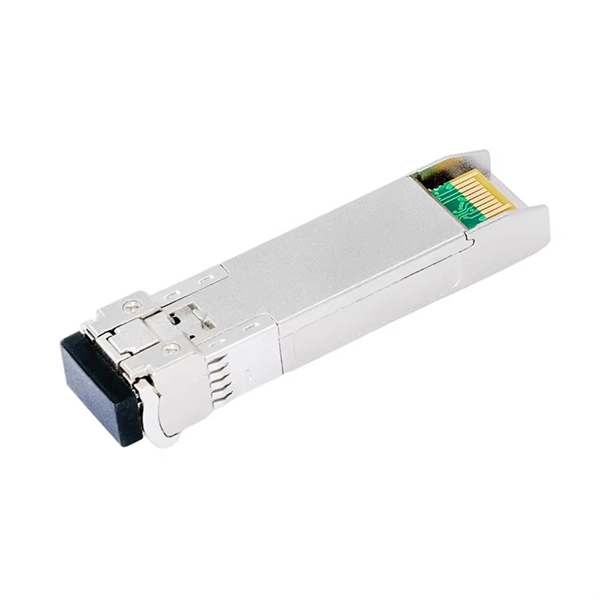
What Is an Optical Receiver and How Does It Work?
Learn how optical receivers convert light signals into electrical data, what''s inside them, and why they matter in modern fiber optic communications.
Optical Receivers: A Comprehensive Guide
Explore the world of optical receivers and their significance in optical communications, including their types, applications, and key considerations.
Optical Receiver
The function of an optical receiver is to transform optical signals through optical lines such as fiber and waveguide to electrical signals. The optical receiver consists of a photodiode (PD) followed by a TIA.
What is a Optical Receiver?
The optical receiver is one of the important devices in the optical fiber communication system. The main function of the optical receiver is to receive the
How an Optical Transmitter and Receiver Work
The optical receiver captures the incoming light signal and accurately reconstructs the original electrical data. This recovery process starts with the photodetector, a semiconductor device
Optical Receivers
Optical receivers are electronic devices that convert optical signals into electrical signals. They are an essential component of optical communication systems, which use light to transmit information over
What Is the Optical Audio Port, and When Should I Use It?
Ever wonder what that trapezoidal "optical" audio port is? You''ll find these on the back of computers, HDTVs, media receivers, and more, but hardly
Optical Transmitters and Receivers : Sources and Its
The receiver in fiber optic captures the light signal from a FOC, and decodes the binary information and transmits it into an electrical signal. The data can be
Optical Receivers | part of Fiber-Optic Communication Systems
The chapter focuses on reverse‐biased p–n junctions that are used for making optical receivers, and discusses metal–semiconductor–metal photodetectors. The design of an optical receiver depends on
Fiber Optic Receivers Information
Fiber optic receivers convert light signals into electrical signals for use by equipment such as computer networks. These electro-optical devices consist of an optical detector, a low-noise amplifier, and
Mastering Optical Receivers: A Comprehensive Guide
Discover the intricacies of Optical Receivers and their pivotal role in Optical Physics, enhancing signal detection and processing.
Fiber Optic Receivers | How it works, Application
Fiber Optic Receivers: Pivotal Components in Data Transmission Fiber optic receivers are instrumental components in fiber optic communication
Optical Transmitters and Receivers : Sources and Its
The optical fiber communication module mainly includes transmitter module like PS-FO-DT as well as receiver module like PS-FO-DR. The communication of fiber
Optical Receivers | part of Fiber-Optic Communication Systems
Summary
This chapter introduces the basic concepts related to such photodetectors and discusses several types of photodetectors used for optical receivers. It also introduces basic concepts such as
Basic Concepts of Optical Receivers
Basic Concepts of Optical Receivers The role of an optical receiver is to convert the optical signal back into electrical form and recover the data transmitted through
What Is an Optical Transceiver? Complete Guide to
Discover what optical transceivers are and how they work in fiber optic communication. This complete guide covers their internal structure, working
Optical Receiver
An optical receiver is defined as a circuit that converts optical signals into electrical signals, typically involving components such as photodiodes connected to a transmission line and integrated with
How an Optical Receiver Converts Light Into Data
An optical receiver functions as the final component in a fiber-optic link. Its fundamental purpose is to capture the light signal transmitted through the fiber and accurately translate it back into a usable
Related Video Reference
This video was associated with the source search result. Verify technical details against current product documentation and project requirements.