
Bidirectional Otdr Testing Multimode Vs Singlemode Fibers
Search optical fiber, connectivity, cable management and network infrastructure references.
- Bidirectional
- Otdr
- Testing
Articles and technical references
10 on this page-
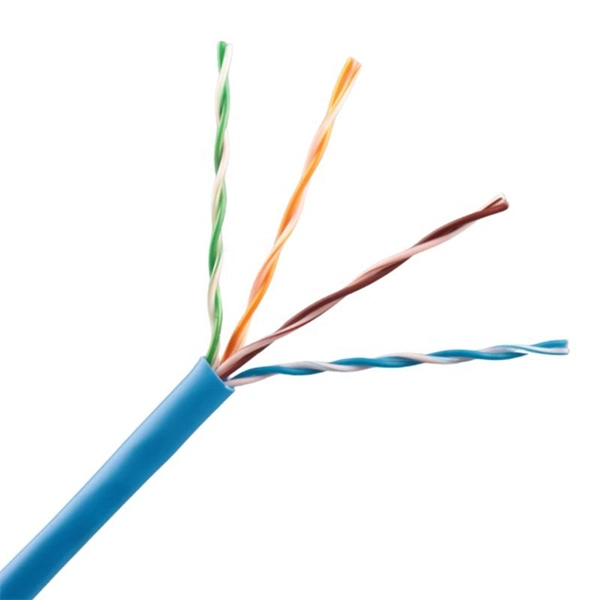
Bidirectional testing of optical cables
Bidirectional OTDR Testing. Available Tools & Testing MethodsLearn all about bidirectional OTDR testing. Learn how it works, its benefits, its drawbacks, a.
[PDF Version]
-
How to set up single-mode pigtail for OTDR testing
This guide walks through the right settings for both fiber types and the differences between SM and MM trace interpretation. Single-mode: test at 1310nm + 1550nm (add 1625nm long-haul), IOR ~1. To maximize dynamic range (maximum distance), compromises must be made on testing...
-
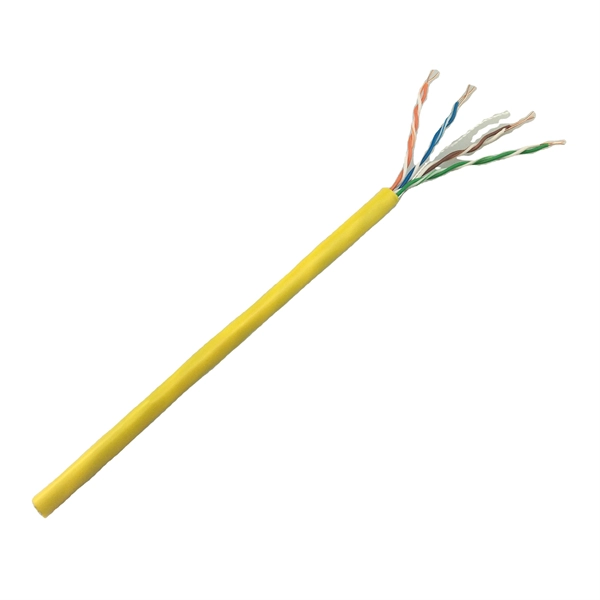
Multimode optical cable optical attenuation test
This primary international standard provides guidance for measurement of attenuation using power meters, light sources and OTDRs on 50/125 µm and 62. 5 µm multimode fiber cabling that may include connectors, adapters and splices. The most fundamental parameter for optical...
[PDF Version]
-
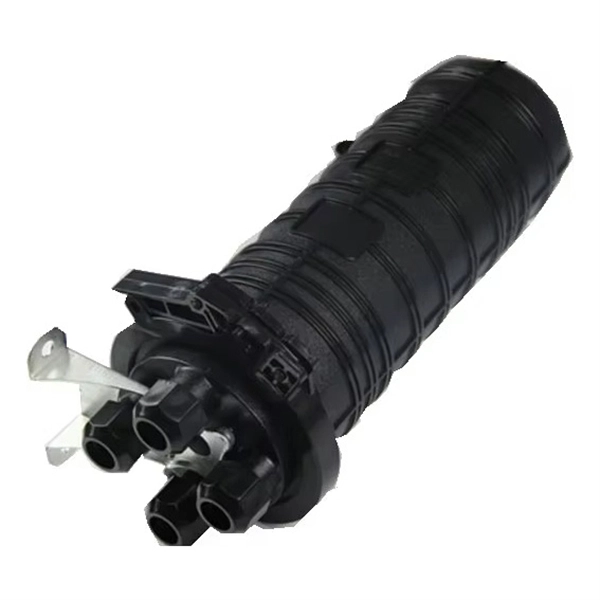
Fiber Optic Cable Torsion Testing Equipment
Torsional Testers simulate real-world mechanical stress by rotating a fixed length of cable repeatedly, both clockwise and counterclockwise, under controlled axial tension. Watch our video to see it in action and learn more from our ATPC Engineer. Torontech is a global leader...
[PDF Version]
-
How many nm should be selected for testing single-mode fiber
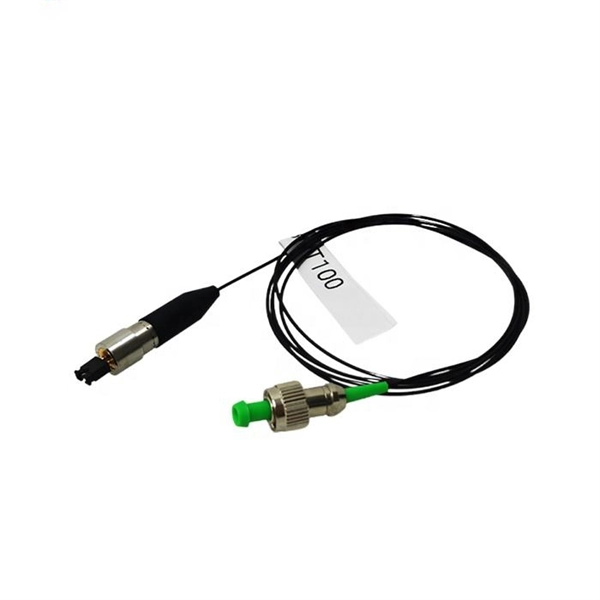
It has been standard practice for many years to perform single mode fiber tests at 1550 nm (in addition to 1310 nm), to help find identify cabling stress points. Typically, a kinked cable may pass at 1310 nm, but fail at 1550 nm or beyond. 1625 nm: Often used for in-service...
[PDF Version]
-
Why is 850nm optical fiber multimode
The selected wavelength determines fiber compatibility. 850 nm SFP modules are designed for multimode fiber (MMF), where modal dispersion limits transmission distance but enables cost-effective short-reach links. Because multi-mode fiber has a. For example, the FOA notes that...
[PDF Version]
-
OTDR Fiber Optic Tester Broadcasting
An Optical Time Domain Reflectometer (OTDR) is the most powerful tool for characterizing fiber optic networks. It works like "radar for fiber optics," sending light pulses down the fiber and analyzing the reflected light to measure loss, locate faults, and verify...
-
What mode should be used when connecting multimode fiber
Multi-mode may use SC, LC, or MPO connectors. It depends on your system setup. Signal Transmission: Single-mode fiber transmits light in a single path. Q1: What are the different termination methods for multimode fiber optic cable? A1: Multimode fiber optic cable can be...
[PDF Version]
-
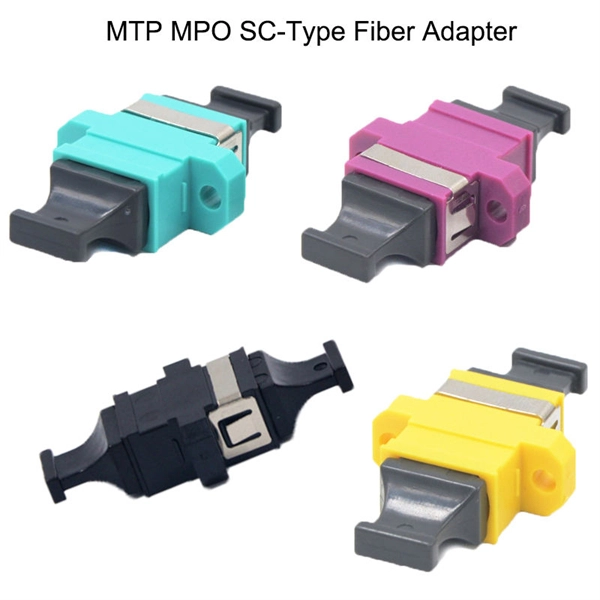
India s Advantageous Cable Tray Testing
In electrical wiring of buildings, cable tray system is used to support insulated electric cables used for power distribution and communication. Cable trays are used as an alternative to open wiring or electrica.
-
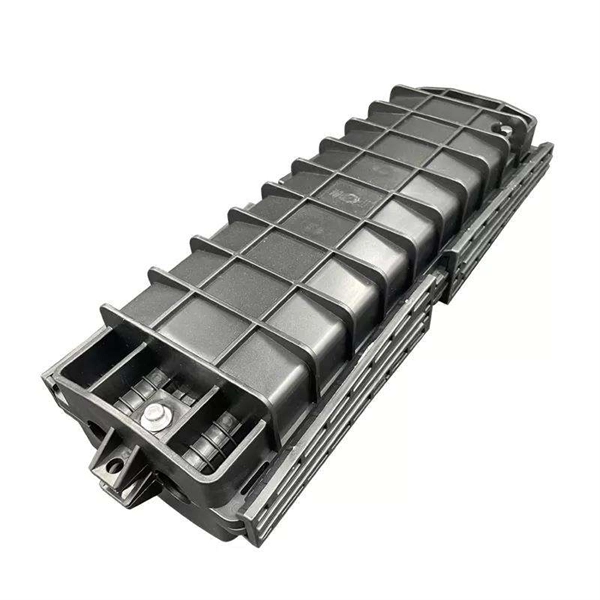
Is multimode fiber power high or low
The equipment used for communications over multi-mode optical fiber is less expensive than that for. Because of its high capacity and reliability, multi-mode optical fiber is generally used for backbone applications in buildings. An increasing number of users are taking the...