
How can one identify a broken fiber optic cable?
To identify a broken fiber optic cable, start by performing a visual inspection for any physical signs of damage, such as bends, cracks, or breaks...
Search optical fiber, connectivity, cable management and network infrastructure references.
Gabon's economy grew by an estimated 2. Lower oil revenues and higher public spending deteriorated the fiscal position, highlighting the need to ensure fiscal sustainability. Gabon's sovereign spreads have remained relatively high in recent years, hovering around stressed and...
[PDF Version]
This article compares connector terminations, mechanical splicing, and fusion splicing, explaining when each technique is preferred in 2024 deployments. We'll cover everything from connector end-face geometry to step-by-step procedures for both field termination and. An...
[PDF Version]
When laying loops of fiber on a surface during a pull, use “figure-8” loops to prevent twisting the cable. The figure 8 puts a half twist in on one side of the 8 and takes it out on the other, preventing twists. During installation, all curvatures should be smooth. Turn-backs...
[PDF Version]
• Fiber Optical Cable market size has reached to $84. 15 billion in 2025 • Expected to grow to $115. 8% • Growth Driver: Growing Demand For Higher Bandwidth And Faster Speed Connections Boosts Fiber Optic Cable Market. Market Size by Fiber Type, by Deployment, by Cable Type...
Low-voltage wiring refers to insulated wire with non-metallic sheathing that transmits 50 volts or less of electricity. Standard power outlets in the United States and Canada carry 120V, and most lightin.
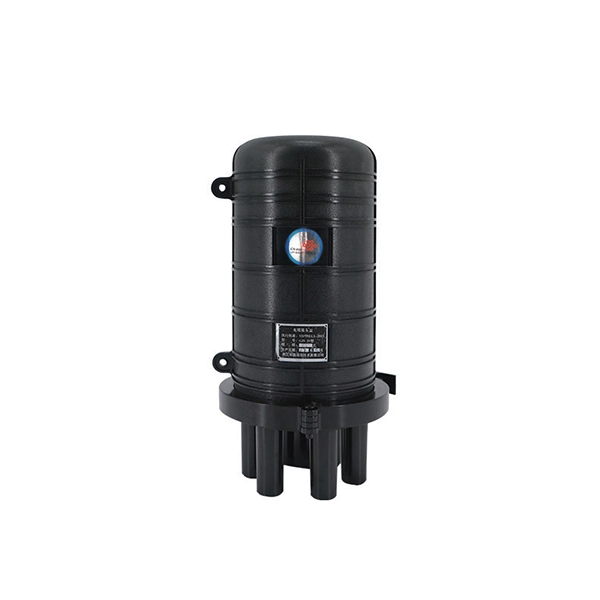
Check Fiber Cables : Look for visible damage, sharp bends, or loose connectors. Clean Connectors : Use lint-free wipes and isopropyl alcohol to remove dust or oil. Fiber optic networks are the backbone of modern data centers and communication systems, valued for their high...
[PDF Version]To identify a broken fiber optic cable, start by performing a visual inspection for any physical signs of damage, such as bends, cracks, or breaks...
There are several methods to test fiber optic cables without a tester. One method is using a visual fault locator (VFL), as mentioned earlier, to v...
Intermittent fiber optic connections can be caused by a variety of factors, including: Poorly terminated connectors or splices that result in unsta...
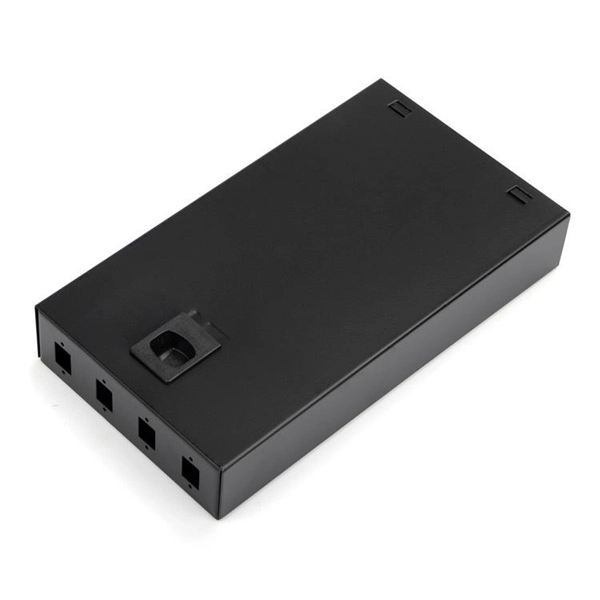
Causes include manufacturing defects, excessive operating temperature, voltage spikes, or simply reaching end-of-life. Symptoms: Gradual increase in Bit Error Rate (BER), reduced optical power output (Tx), decreased receiver sensitivity (Rx), complete loss of light...
[PDF Version]
This study aims to develop a simple yet efficient performance-based design optimization methodology for cable tray systems in building structures. In the paper, the drift ratio between adjacent supports i.
Share the fiber interfaces, termination capacity, cable route and evidence required for handover.