
How can one identify a broken fiber optic cable?
To identify a broken fiber optic cable, start by performing a visual inspection for any physical signs of damage, such as bends, cracks, or breaks...
Search optical fiber, connectivity, cable management and network infrastructure references.
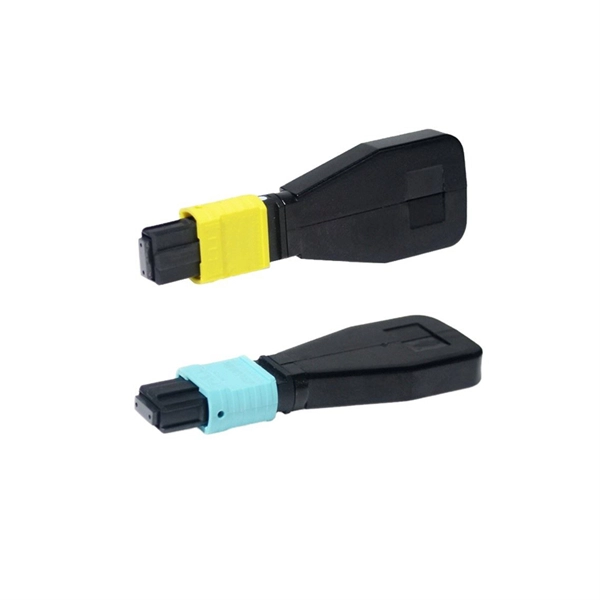
A proper sticker should include a hazard pictogram (for example a lightning bolt), a signal word ("DANGER," "WARNING," or "CAUTION"), and a clear description of the risk (like "High Voltage," "Electrical Shock Hazard," "Disconnect Before Maintenance"). Where should electrical...
[PDF Version]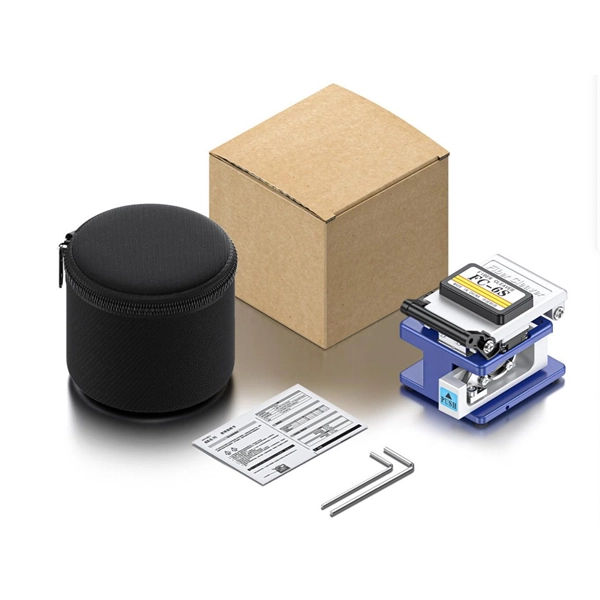
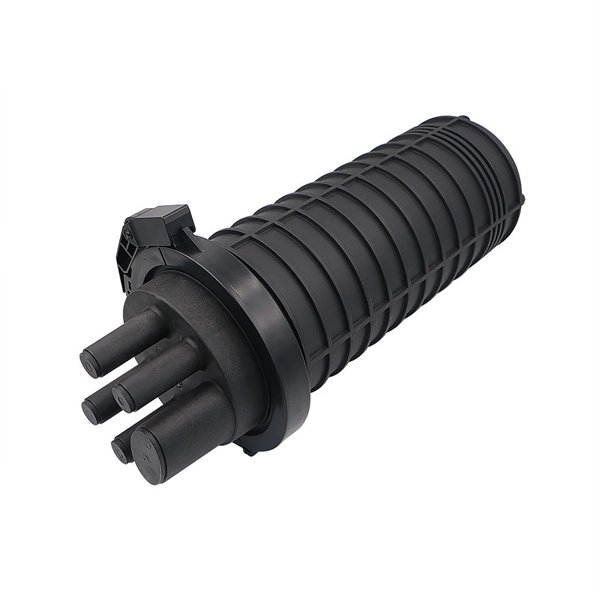
Optical cross connecting cabinet(OCC) series products are designed for fiber optic access network feeder cable and wiring cable junction of outdoor fiber optic cable interface equipment. The box adopts SMC polymer material design and manufacture, the protection grade can...
[PDF Version]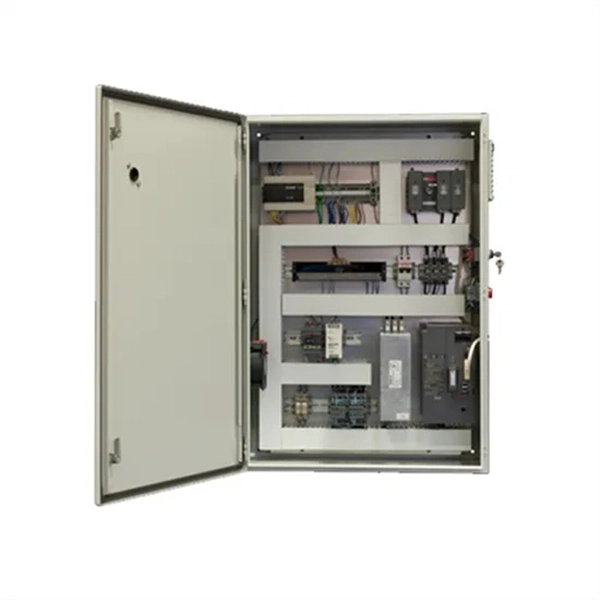
This guide walks through a practical, real-world installation process used in FTTH deployments. It covers not only mounting and splicing, but also how to plan port capacity, manage slack, label correctly, and avoid common installation mistakes. A fiber termination box is the...
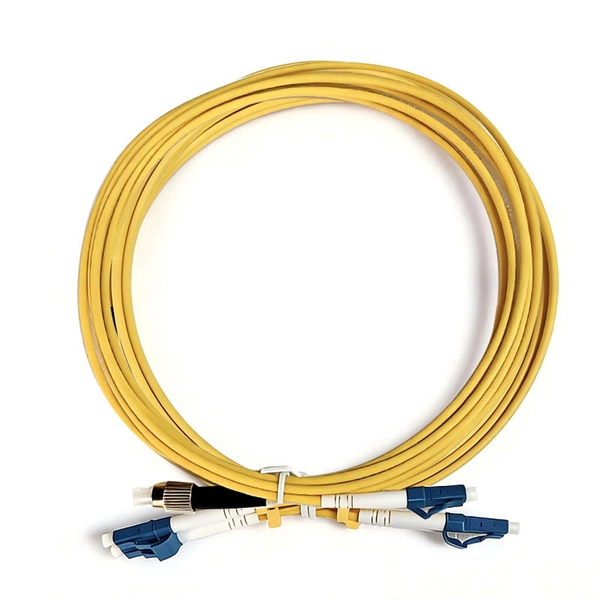
Q: Can two optical modules from different brands/suppliers be connected to each other? A: If the wavelength, speed, and fiber type of the module are the same and operate normally on the original switch, two different brands of optical modules can be interconnected. 1, Same...
[PDF Version]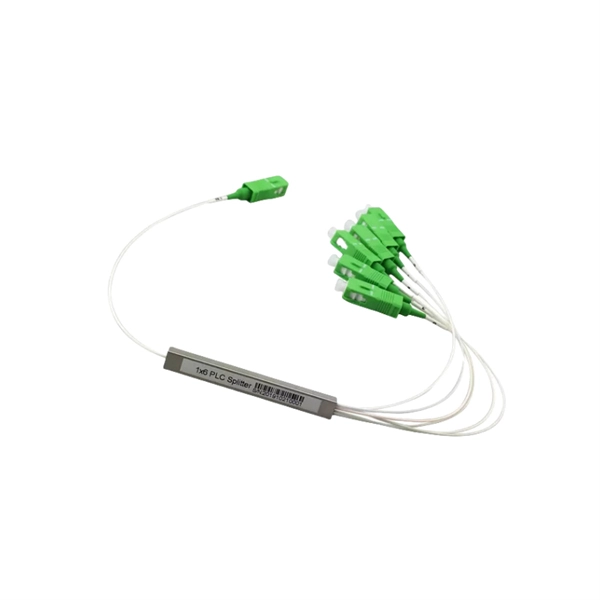
The low voltage distribution box is a critical component in electrical systems, designed to manage and distribute electrical power efficiently and safely. Its main functions include the protection, isolation, and switching of electrical circuits. It ensures reliable power...
[PDF Version]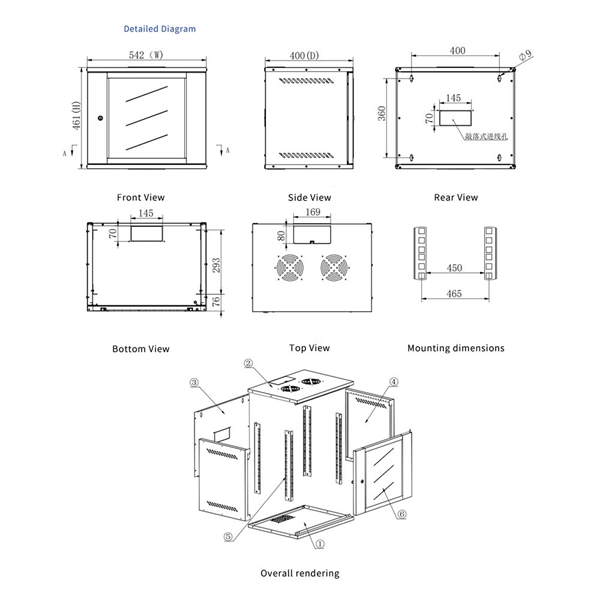
Compare rigid and flexible conduit materials and identify the trade size for compatible fittings. The best copper conduit for electrical and plumbing applications is one that offers durability, conductivity, and compliance with industry standards. This guide provides a clear...
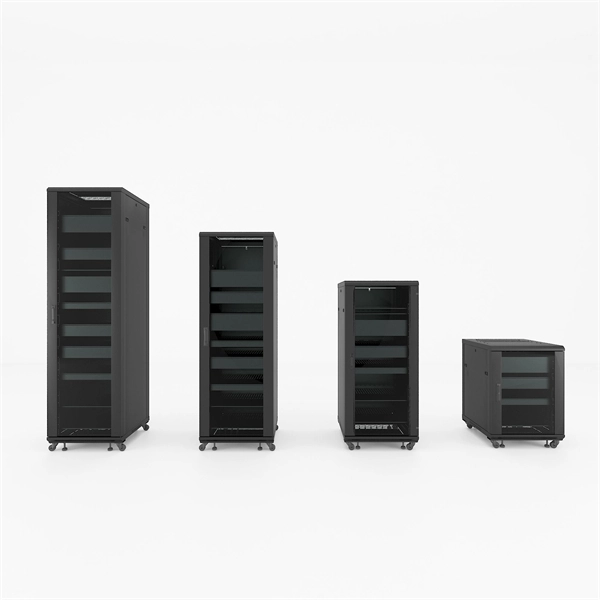
Practice good wiring: secure grounding, neat cable management, proper insulation, and correct wire gauge and breaker size. Include protection devices like breakers, fuses, and surge protectors—each circuit should have its own protection. Check for proper IP/NEMA ratings and...
[PDF Version]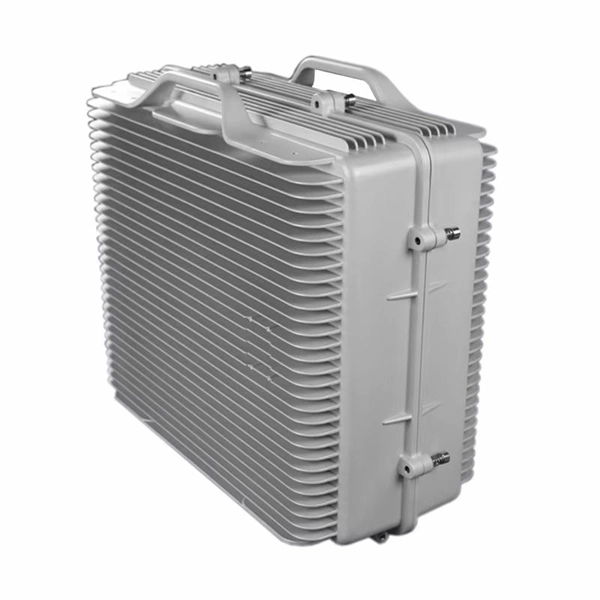
To troubleshoot this problem, you need to inspect the connectors visually and use a power meter or an optical time-domain reflectometer (OTDR) to measure the optical power and attenuation at the FDC. When issues like signal loss, slow speeds, or intermittent connectivity...
[PDF Version]To identify a broken fiber optic cable, start by performing a visual inspection for any physical signs of damage, such as bends, cracks, or breaks...
There are several methods to test fiber optic cables without a tester. One method is using a visual fault locator (VFL), as mentioned earlier, to v...
Intermittent fiber optic connections can be caused by a variety of factors, including: Poorly terminated connectors or splices that result in unsta...
This article compares connector terminations, mechanical splicing, and fusion splicing, explaining when each technique is preferred in 2024 deployments. We'll cover everything from connector end-face geometry to step-by-step procedures for both field termination and. An...
[PDF Version]Share the fiber interfaces, termination capacity, cable route and evidence required for handover.