
Busbar Connectors
Search optical fiber, connectivity, cable management and network infrastructure references.
- Busbar
- Connectors
Articles and technical references
10 on this page-
Method for disassembling small busbar connectors
These connectors come in various sizes and are often used to connect Wi-Fi or cellular antenna cables. To disconnect the cable, slide a thin, ESD-safe pry tool or angled tweezers under the metal neck of the connector (as close to the head as possible) and lift straight up...
[PDF Version]
-
Price of Domestic Busbar Connectors
Busbar Products Pricing Guide: Understanding Costs This guide offers a detailed busbar pricing guide for electrical contractors, explores what affects pric.
[PDF Version]
-
Are busbar connectors made of copper
Complete Guide To Busbars Although copper and, increasingly, aluminium are the standard busbar materials, brass busbars are used in specialised application.
[PDF Version]
-
Copper busbar connection of the head unit
It is usually necessary to joint busbars on site during installation and this is most easily accomplished by bolting bars together or by welding. For long and reliable service, joints need to be carefully made with controlled torque applied to correctly sized bolts. Drawing...
[PDF Version]
-
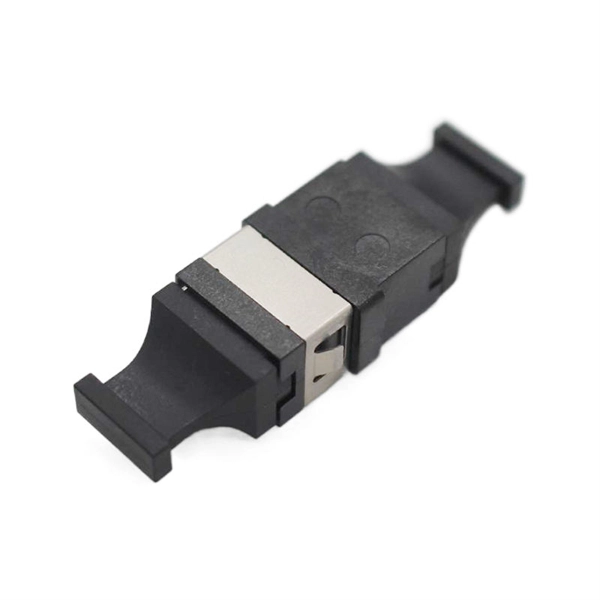
Is the busbar inside the switchgear
A busbar is a metal bar, usually made of copper or aluminum, that carries electricity inside switchgear. It connects the incoming power to circuit breakers and outgoing circuits, helping power flow smoothly and evenly. Good busbar design helps prevent overheating and...
[PDF Version]
-
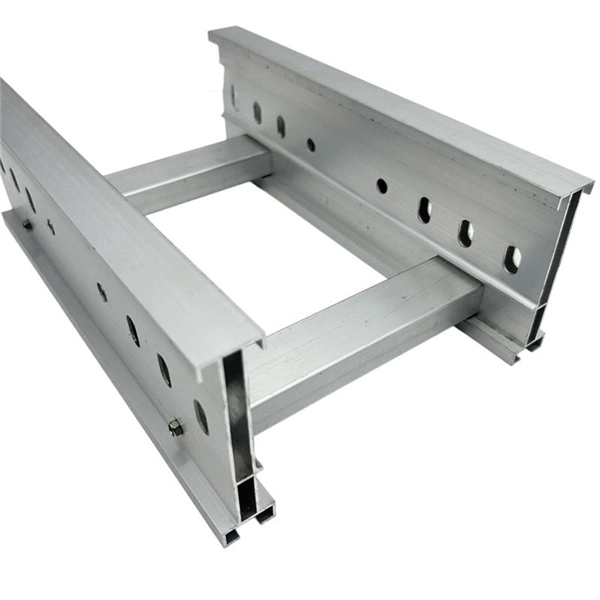
Connectors at both ends of the pigtail
Pigtail: Connector on one end, bare fiber on the other., LC-LC, SC-SC, LC-SC). It serves as a bridge, allowing technicians to repair specific connection points without disturbing the rest of the system. Unlike a patch cord—which has connectors on both ends—the bare fiber end...
-
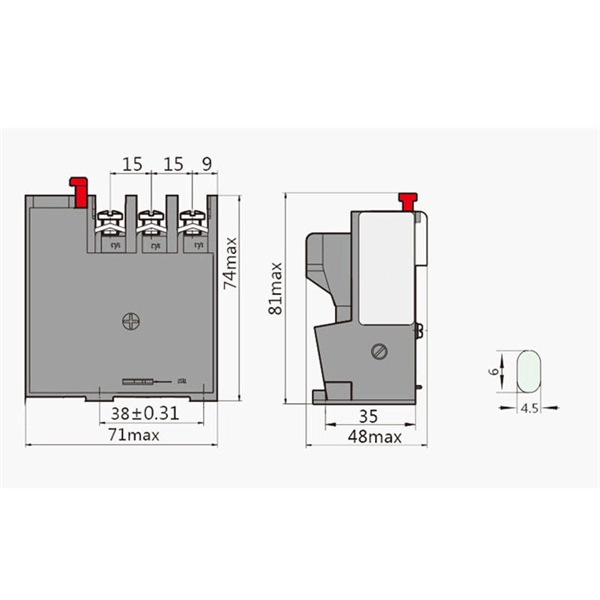
Distance of high-voltage busbar
The NEC requires a minimum spacing of 12 inches (305 mm) between busbars, but this can be reduced based on the busbar current and configuration. It requires consideration of voltage levels, environmental conditions, and manufacturing processes, adherence to relevant...
-
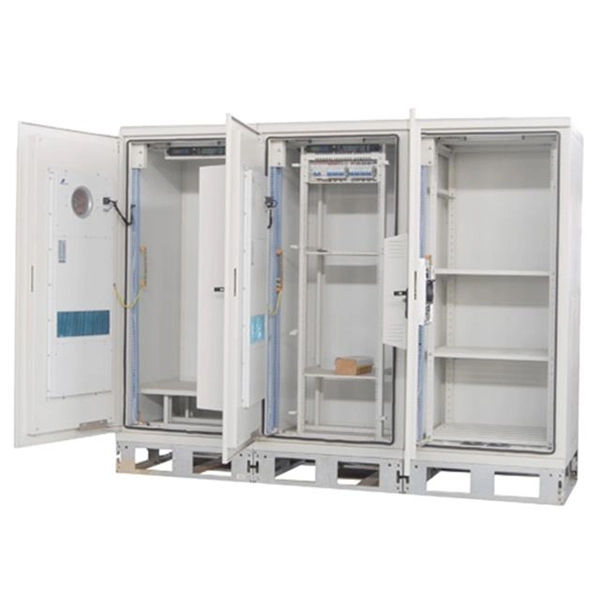
Uneven voltage at the 35kV busbar
Voltage Drops: Unusual voltage drops or fluctuations in the busbar system can indicate excessive current demand or poor connections. Current Imbalance: Uneven current distribution among connected loads can lead to overheating, reduced performance, or equipment damage. After...
[PDF Version]
-
High-voltage busbar wall bushings are divided into
They are divided into non-condenser and condenser bushings and the latter are divided according to their application in air-air, air-SF6, air-oil bushing, through-wall (etc. Power Station type high voltage wall bushing is suitable for use in power stations, substations and...
[PDF Version]
-
Fiber optic cable connectors male and female
MPO connectors come in various types, which can be categorized by fiber count, polarity, gender (male/female), and end-face type (PC or APC). In this article, Svelol explains the key differences between male and female MPO connectors and their proper use. In MPO and MTP fiber...