
Busbar Testing Procedure
Search optical fiber, connectivity, cable management and network infrastructure references.
- Busbar
- Testing
- Procedure
Articles and technical references
8 on this page-
Double busbar connection procedure
Substation Components—Part 5: Busbar ConfigurationsFor each circuit (line, transformer, or reactor), two dedicated breakers: Breaker-A connecting the circu.
[PDF Version]
-
Copper busbar connection of the head unit
It is usually necessary to joint busbars on site during installation and this is most easily accomplished by bolting bars together or by welding. For long and reliable service, joints need to be carefully made with controlled torque applied to correctly sized bolts. Drawing...
[PDF Version]
-
Is the busbar inside the switchgear
A busbar is a metal bar, usually made of copper or aluminum, that carries electricity inside switchgear. It connects the incoming power to circuit breakers and outgoing circuits, helping power flow smoothly and evenly. Good busbar design helps prevent overheating and...
[PDF Version]
-
Fiber Optic Cable Torsion Testing Equipment
Torsional Testers simulate real-world mechanical stress by rotating a fixed length of cable repeatedly, both clockwise and counterclockwise, under controlled axial tension. Watch our video to see it in action and learn more from our ATPC Engineer. Torontech is a global leader...
[PDF Version]
-
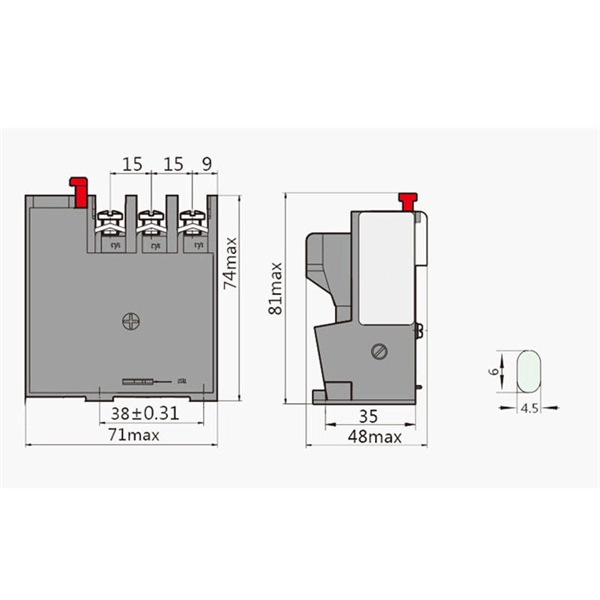
Distance of high-voltage busbar
The NEC requires a minimum spacing of 12 inches (305 mm) between busbars, but this can be reduced based on the busbar current and configuration. It requires consideration of voltage levels, environmental conditions, and manufacturing processes, adherence to relevant...
-
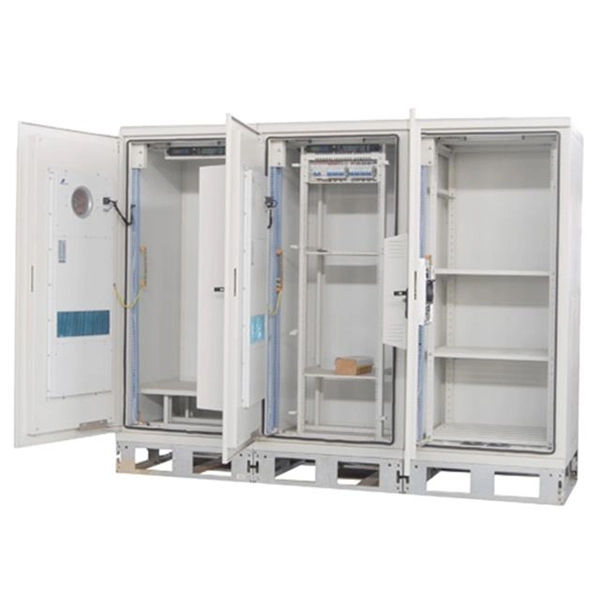
Uneven voltage at the 35kV busbar
Voltage Drops: Unusual voltage drops or fluctuations in the busbar system can indicate excessive current demand or poor connections. Current Imbalance: Uneven current distribution among connected loads can lead to overheating, reduced performance, or equipment damage. After...
[PDF Version]
-
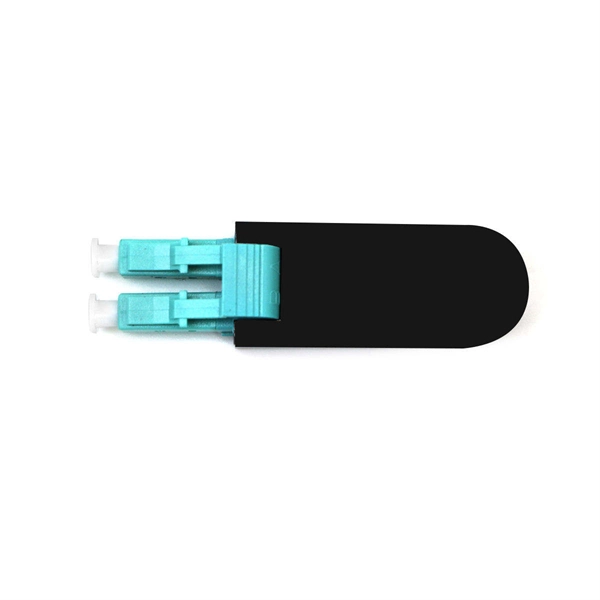
How many nm should be selected for testing single-mode fiber
It has been standard practice for many years to perform single mode fiber tests at 1550 nm (in addition to 1310 nm), to help find identify cabling stress points. Typically, a kinked cable may pass at 1310 nm, but fail at 1550 nm or beyond. 1625 nm: Often used for in-service...
[PDF Version]
-
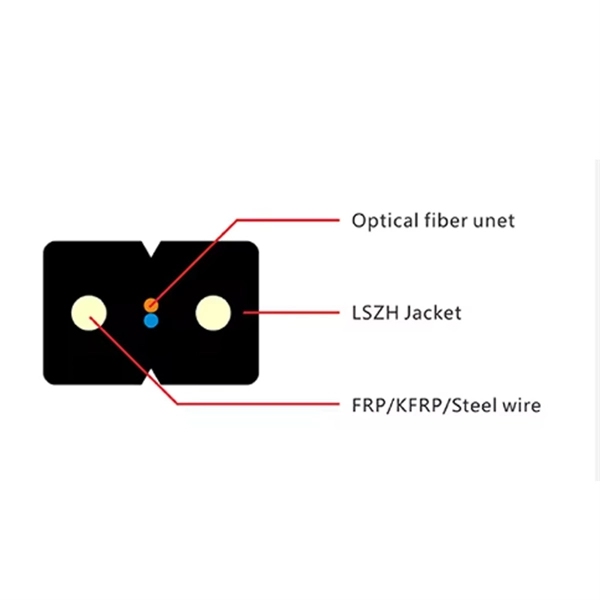
High-voltage busbar wall bushings are divided into
They are divided into non-condenser and condenser bushings and the latter are divided according to their application in air-air, air-SF6, air-oil bushing, through-wall (etc. Power Station type high voltage wall bushing is suitable for use in power stations, substations and...
[PDF Version]