
Bxm D 51 Series Explosion Proof Distribution Boxes Lighting
Search optical fiber, connectivity, cable management and network infrastructure references.
- Series
- Explosion
- Proof
Articles and technical references
7 on this page-
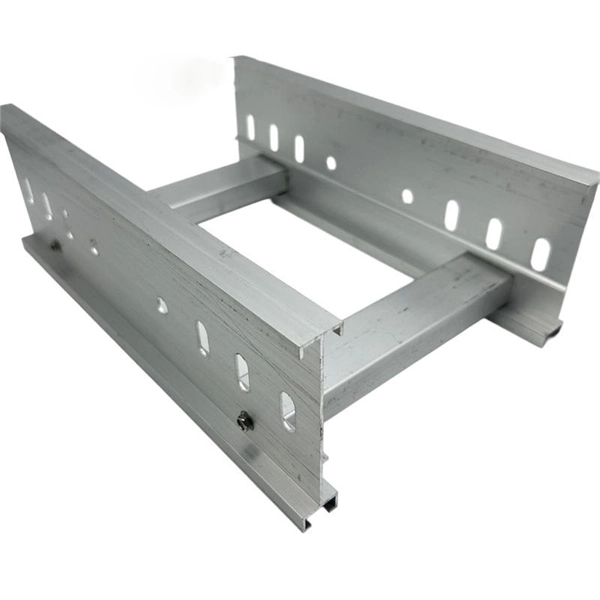
Cable series distribution box
Designed for underground or outdoor distribution systems, the Cable Distribution Box offers a tamper-resistant and weatherproof solution for medium voltage control and protection. Check each product page for other buying options. It helps organize, protect, and control...
-
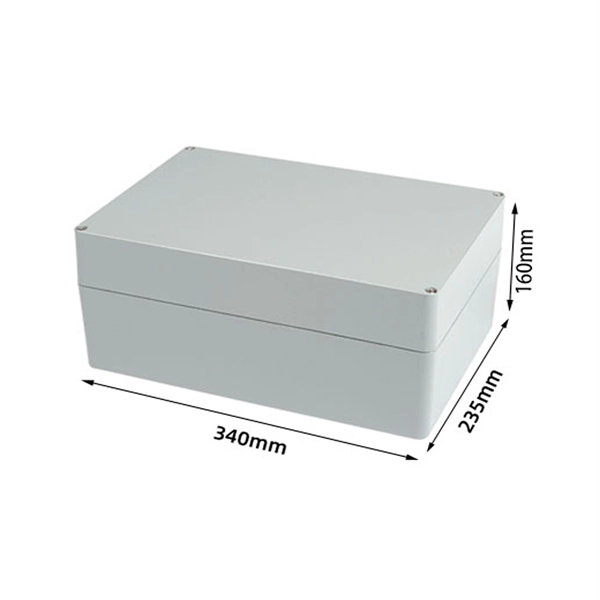
Cause of Large Electrical Distribution Box Explosion
An arc flash is the light and heat produced from an supplied with sufficient electrical energy to cause substantial damage, harm, fire, or injury. Electrical arcs experience, which causes the to decrease as the arc temperature increases. Therefore, as the arc develops and...
[PDF Version]
-
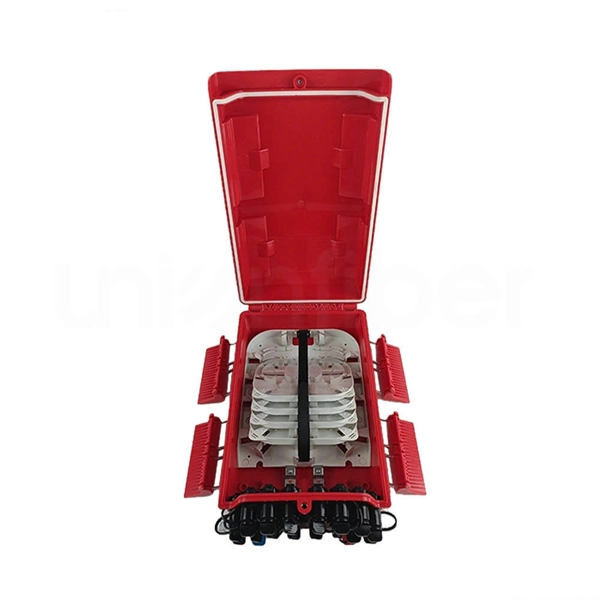
Wires in the distribution box are connected in series
Understanding Circuit Breaker Wiring Configurations in Correct wiring methods for circuit breakers within distribution boxes are fundamental to ensuring el.
[PDF Version]
-
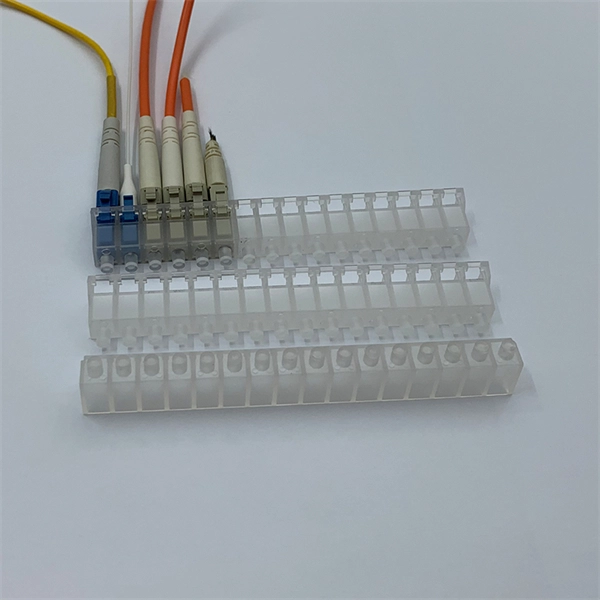
Explosion-proof distribution box series company
Explosion Proof Distribution Box & Electrical EnclosuresChoose our explosion-proof solutions, choose safety. Durable Hexlon Explosion Proof Distribution Bo.
[PDF Version]
-
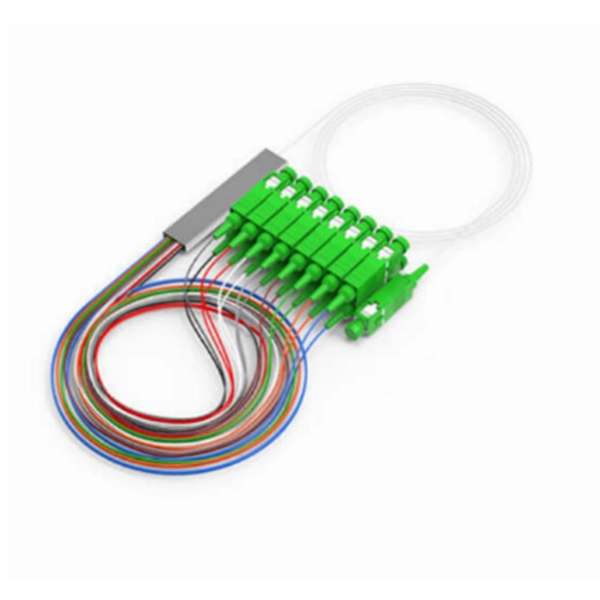
Relationship between switches and distribution boxes
Whereas a distribution box is designed to distribute electricity, a switchboard is used to operate and control electrical devices or processes. What is the difference between a distribution box and a switch box? If you are a novice electrician or an experienced professional...
-

Low-voltage distribution box DCS
The low voltage distribution box is a critical component in electrical systems, designed to manage and distribute electrical power efficiently and safely. Its main functions include the protection, isolation, and switching of electrical circuits. It ensures reliable power...
[PDF Version]
-
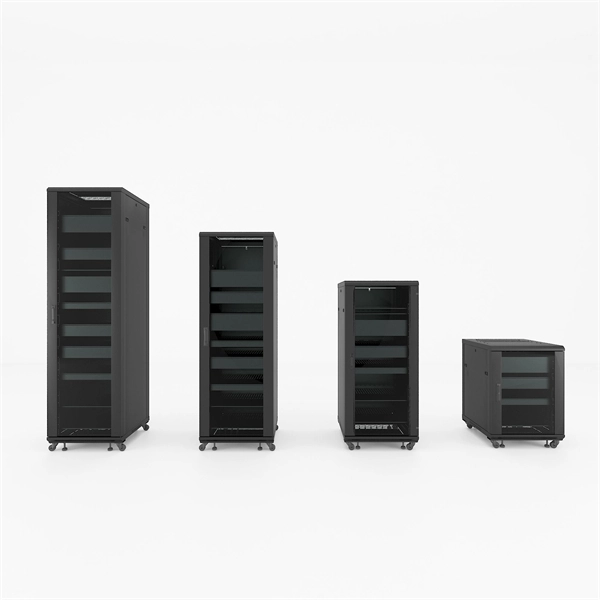
AFEL Emergency Distribution Box Wiring
Practice good wiring: secure grounding, neat cable management, proper insulation, and correct wire gauge and breaker size. Include protection devices like breakers, fuses, and surge protectors—each circuit should have its own protection. Check for proper IP/NEMA ratings and...
[PDF Version]