Skip to content
PROMETHEASOPTICAL Send a project enquiry
Reference library

Cable tray support for underground trench

Published
  • Cable
  • Tray
  • Support
Source context

AI source overview

Cable trays can be safely installed in underground trenches by following proper trench design, IEC standards, and using corrosion-resistant materials with adequate protection and backfilling.

Overview of Cable Trays and Trenches

A cable tray is a rigid framework that supports and organizes electrical cables, typically made from galvanized steel, aluminum, or fiberglass. While commonly used above ground, cable trays can also be installed in underground trenches to provide structured cable routing and protection. A cable trench is an excavated channel, often lined with concrete or pre-cast materials, designed to house and protect cables from environmental and mechanical damage.

Combining cable trays with trenches allows for organized, accessible, and durable underground cable systems.

Trench Design and Preparation

Proper trench design is critical for underground cable tray installation. Key considerations include: Trench Dimensions: Ensure sufficient width and depth to accommodate trays, cables, and future expansion. Structural Support: Use concrete or pre-cast trench linings to withstand vehicular or pedestrian loads, with load ratings such as HS40 for heavy-duty applications.

Drainage and Ventilation: Include drainage channels to prevent water accumulation and allow airflow to reduce heat buildup. Backfilling: Use selected soil free of stones and organic matter, compacted to prevent settlement that could damage trays or cables.

Cable Tray Selection and Installation

Material Choice: Use corrosion-resistant materials like galvanized steel, aluminum, or fiberglass-reinforced plastic (FRP) for underground conditions. Tray Types: Ladder, perforated, solid-bottom, or wire mesh trays can be selected based on cable weight, ventilation needs, and environmental exposure. Mounting: Secure trays to trench walls or pre-cast supports, ensuring alignment and stability.

Accessories for changing direction or elevation can simplify installation. Accessibility: Design trays with removable covers or lids to allow inspection, maintenance, and cable replacement. Compliance with StandardsIEC Standards: Follow IEC guidelines for underground cable laying, including trench dimensions, cable spacing, backfilling, and protection against mechanical damage, moisture, and chemical exposure.

Earthing: Install earth conductors alongside power cables, sized according to IEC 60364, to ensure safety and fault current handling. Fire Safety: Use fire-rated trays and firestop modules where required, especially in tunnels or enclosed underground spaces.

Maintenance and Safety Considerations

Inspection: Regularly check for water ingress, soil movement, or thermal overloads. Load Management: Ensure trays and trenches can handle the weight of cables and any external loads. Predictive Monitoring: Integrate sensors for temperature, moisture, and load to reduce unexpected failures.

Summary

Installing cable trays in underground trenches requires careful planning of trench dimensions, structural support, drainage, and ventilation. Selecting appropriate tray materials and types, following IEC standards, and ensuring proper earthing and fire protection are essential for a safe, durable, and maintainable underground cable system. Proper backfilling and regular inspection further enhance system longevity and operational safety.

Research context

Reference summary

Cable Tray Discover cable Tray from OBO Bettermann & find the right solution for your project!

OB

O - Your supplier for electrical installation Trenched Sys.

From reference to enquiry

Questions for your project

Use these editorial prompts alongside the linked excerpts. They identify items to confirm for your project.

Technical notes

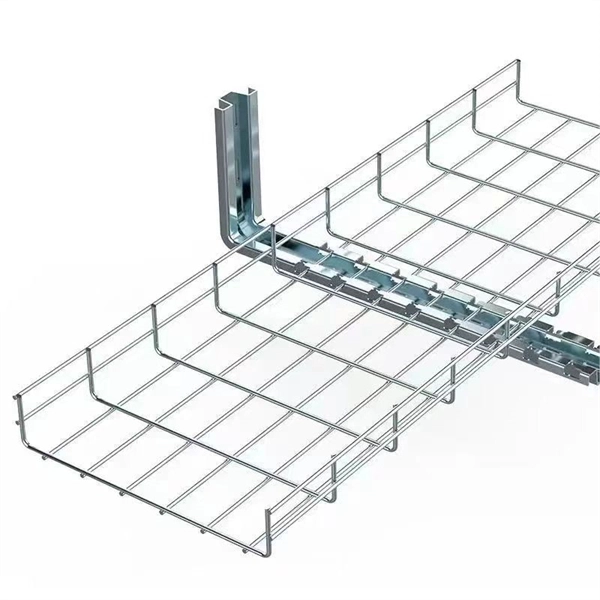
Illustrative equipment image

Cable Tray

Discover cable Tray from OBO Bettermann & find the right solution for your project! OBO - Your supplier for electrical installation

Trenched System

Superior Bus integrated with a precast concrete trench allows for efficient underground system installation. Trenched cable bus systems are ideal for

Cable management in tunnels – Cable management systems for

Efficient cable management in tunnel construction: cable trays, cable ladders, mesh cable trays, and support systems from PohlCon for safe, durable tunnel installations.

Precast Cable Trench System | Waskey

Waskey precast cable trench systems provide durable, safe, and easy-to-install solutions for managing underground cables efficiently.

Cable Trough | Safe & Secure Cable Protection

High stability concrete or composite cable trough systems for secure protection of cables and utilities within internal or external surfaces.

Difference Between Cable Tray and Cable Trench | Hutaib Electrical

Explore the differences between cable trays and cable trenches for effective cable management. Learn about their design, applications, advantages, and limitations, and how Hutaib

Underground Cable Tray Supplier and Trenched Systems

GangLong Fiberglass specializes in underground cable trays, trenched cable bus systems, and multiplex cables for overhead/underground use. Underground cable trays are essential

Cable tray systems – robust & stylish | Trench

Discover robust & stylish cable trays for a loft & industrial look! Quick and easy to install thanks to patented plug connections. Find out more.

Guide to cable support systems

The load capacity of the cable trays according to the support width can be read off in the diagram using load curves – here, shown as an example for a cable tray with the tray widths 100 to 600 mm.

Cable Trench Products and Accessories

Trench Products Trenwa is the original manufacturer of precast concrete trench and offers the broadest line of proven trench systems. Trusted by Industry Leaders: Trenwa has been a go-to partner for

Cable Trench Design Details | PDF | Bending

This document provides input parameters and design calculations for an overhead/underground (O/D) cable trench according to Indian standards. Preliminary dimensions are chosen for the base slab,

Best practice guide to cable ladder and cable tray systems

Cable ladder and cable tray systems The following recommendations are intended to be a practical guide to ensure the safe and proper installation of cable ladder and cable tray systems

Types of Cable Trays – Purpose, Advantages,

Cable tray is alternatives to wire ways and electrical conduits, which completely enclose cables. Study types of cable trays, purpose, advantages.

Cable Management

Cable Management We can outfit your trench with cable management equipment from Underground Devices. This will permit you to make use of the trench walls to organize your cables for easy access

Cable Trough

Tracey Concrete offer a diverse range of Cable Trough Systems designed to protect and hold any necessary utility services. Manufactured from reinforced precast

FRP/GRP Cable Bracket – Tunnel or Trench Cable

FRP/GRP cable bracket is a material with good insulation performance. It is suitable for tunnel and trench cable laying occasions. FRP/GRP cable bracket resists

Tray Installations

Tray Installations The placement of cables, ducts, and conduits can be done using cable trays – for both outside plant (OSP) and interior spaces (ISP). This allows cables and ducts to be installed quickly

Cable Trench Installation Standards

Cable Trench Installation Guide - Free download as PDF File (.pdf), Text File (.txt) or read online for free. The document provides guidelines for installing cable trenches for underground electrical

Related Video Reference

This video was associated with the source search result. Verify technical details against current product documentation and project requirements.

Share your network requirements

Share the fiber interfaces, termination capacity, cable route and evidence required for handover.

Send a project brief