
Cable Trays Raceways For Electrical Cables
Search optical fiber, connectivity, cable management and network infrastructure references.
- Cable
- Trays
- Raceways
Articles and technical references
10 on this page-
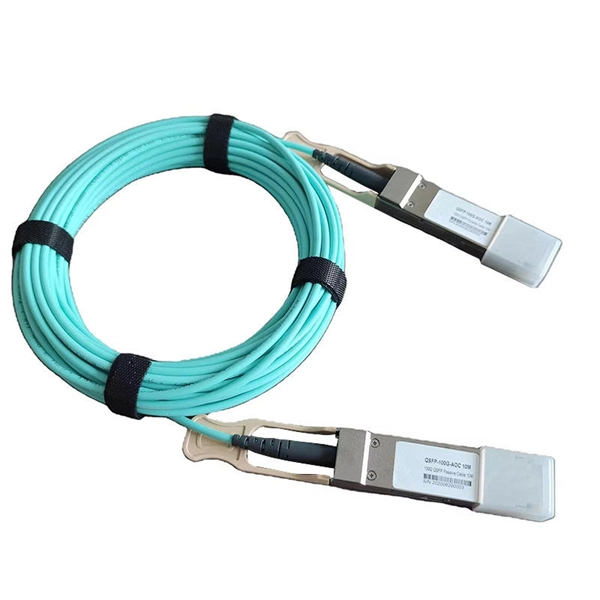
How to run network cables in cable trays
This guide covers the critical steps, from selecting the right electrical cable tray and performing accurate cable fill calculations to managing a safe cable pull through and ensuring all bonding and grounding requirements are met. Proper installation of cables in trays is...
[PDF Version]
-
Are cables threaded through conduits inside cable trays
Cable trays offer faster installation compared to conduits because cables can simply be laid onto the tray without needing to thread them through a pipe. This reduces labor costs significantly. Tray cables (TC, TC-ER, and similar types) are specially designed for use in cable...
-
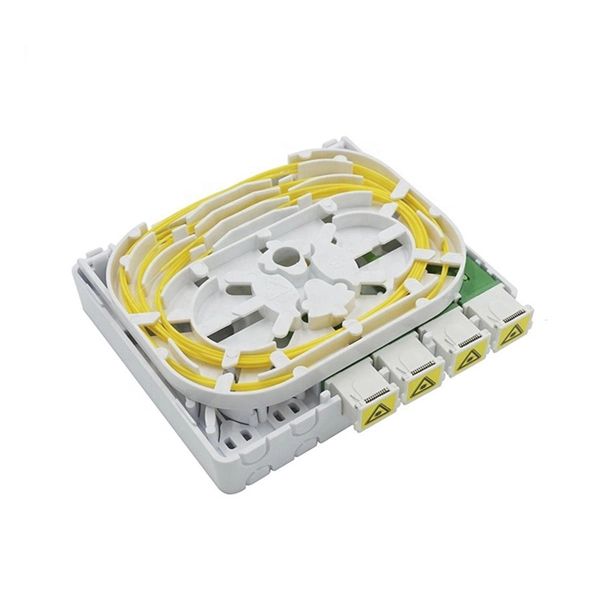
How many cables can be routed in cable trays
The formula to calculate the cable tray capacity is: [ CTC = text {floor}left (frac {W cdot H cdot FR} {CA}right) ] Where: ( CTC ) is the cable tray capacity (number of cables). ( W ) is the width of the cable tray (inches). ( H ) is the height of the cable. A Cable Tray...
[PDF Version]
-
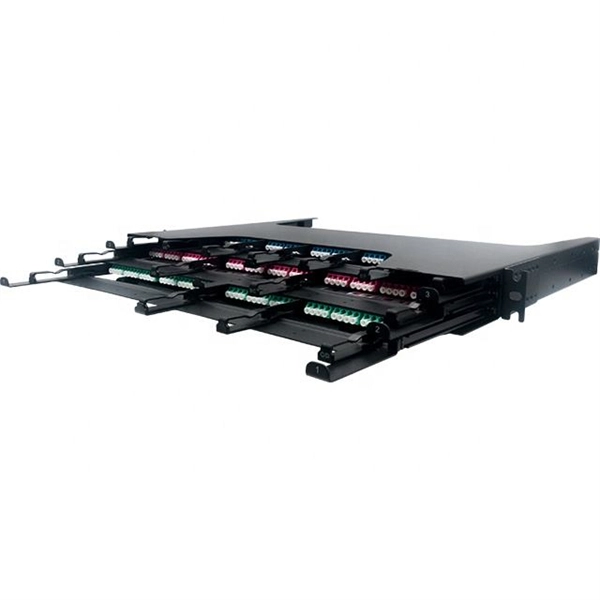
Requirements for laying optical cables on cable trays in workshops
Article 392 of the NEC provides the basic requirements for installations using cable tray. The respective article for the cable type must also be followed. 10 (see Table 1) lists the type of cable that is allowed to be installed in tray and the types of raceway that can be...
[PDF Version]
-

What kind of rope is used for laying cables in cable trays
Alternate Lay – The wire rope consists of alternating regular lay and lang lay strands—used mainly for special applications. Zinc coated (galvanized), zinc/aluminum alloy coated (mischmetal), stainless steel, or unfinished steel (“bright”). This guide explores the fundamental...
[PDF Version]
-
How to route cables without installing cable trays overhead
A raised floor system is a raised access floor that allows for cables and wiring to be run beneath the floor, making it easier to run power and data cables throughout an open space, without the need for installation in the ceilings or other hard to reach areas. Cable trays...
[PDF Version]
-
What types of cables are typically routed through low-voltage cable trays
Low-voltage wiring carries 50V or less and powers business-critical systems like data/Ethernet (Cat5e/Cat6/Cat6a), VoIP, security, A/V, building automation, and fiber backbones. The types of cables, allowed in cable trays, and the wiring methods permitted in cable trays can...
[PDF Version]
-
What type of cable trays do electrical engineers use
Cable trays support insulated electrical cables in industrial and commercial settings. There are several types of cable trays, including ladder, perforated, solid bottom, basket, and channel trays. Acting as a rigid pathway, the tray supports large networks of cables...
-
Do cables need to be run through conduits when running in cable trays
Standard tray cables must be placed in conduit when run underground unless they are specifically marked for direct burial, and outdoors conduit can provide additional defense against UV exposure and extreme weather. They're commonly used in power distribution, control. Cable...
[PDF Version]
-
Is it safe to store instrument cables in cable trays
If not designed and installed properly, wiring inside cable trays may pose hazards such as fire, electric shock, and arc-flash blast events. Such forces can cause the cable's outer insulation to break, or worse. Cable tray systems provide a safe, organized, and flexible...
[PDF Version]