
Technical notes
Comprehensive Guide to Optical Splitters
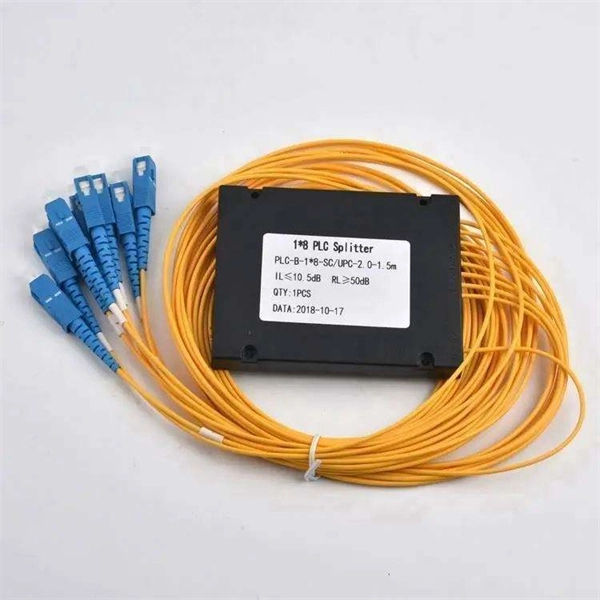
An optical splitter is a crucial passive fiber optic device that splits and combines optical signals. It can distribute the optical energy transmitted through a single fiber to two or more fibers in a
Optical Splitters Demystified: The Silent Heroes Powering Your FTTH
An Optical Splitter, also known as a beam splitter, is a passive optical device that divides a single input optical signal into two or more output signals. Conversely, it can also combine multiple
Optical Splitters: Split Ratios, Splitting Architectures & PON Network
By dividing a single optical signal from a central Optical Line Terminal (OLT) into multiple outputs for Optical Network Terminals (ONTs) at users'' homes, splitters eliminate the need for
Introduction to Passive Optical Network Splitter Architectures
The configuration below has individual splitters at a central location, but addresses that are typically not reconfigurable by jumpers, so this configuration is a “distributed” split.
Fiber-optic splitter
Balanced (2xN) splitters consists of 2 input fibers and N output fibers which divide the power of the optical signal proportionally. They are mainly used for non-simultaneous redundancy.
How to Use Optical Couplers and Splitters in Fiber Networks
Splitters share signals equally. Couplers can join or split signals in different ways. When you pick a splitter, look at the split ratio. Also check the insertion loss. Less insertion loss means your
The Working Principle and Application Scenarios of Fiber Optic Splitters
Fiber optic splitters are essential passive devices in modern optical communication systems, enabling the division of a single light signal into multiple outputs or combining multiple
Understanding FBT Splitters in Modern Fiber Networks
FBT splitter offers a cost-effective way to split optical signals in fiber networks, ideal for small setups needing simple, customizable signal distribution.
Fundamentals of Optical Splitters » SENKO Advanced Components, Inc.
Optical splitters distribute television signals in CATV networks to allow multiple users to receive the same signal simultaneously. By leveraging splitters, CATV providers can reach a broader audience
Fiber-optic splitter
Fiber-optic splitter A fiber-optic splitter, also known as a beam splitter, is based on a quartz substrate of an integrated waveguide optical power distribution device, similar to a coaxial cable transmission
What Is an Optical Splitter?
Fiber optic splitter, also referred to as optical splitter, fiber splitter or beam splitter, is an integrated waveguide optical power distribution device that
Coupler and Splitter Overview. It is generally accepted
Definition of Couplers Fiber optic couplers either split optical signals into multiple paths or combine multiple signals on one path.
Understanding Fiber Optic Splitters: Principles, Parameters, Types
Fiber optic splitters are used in various areas, including active optical networks, passive optical networks, FTTX access networks, and measurement systems. In active optical networks, they are
Fiber Splitters The Role And Application Guide
The working principle of fiber splitters is relatively simple, and the signal distribution is achieved through the principle of optical coupling in optical fibers.
Fiber Optic Splitter Working Principle: An Overview
A fiber splitter, also known as a beam splitter, is an optical device that divides an incoming fiber optic signal into two or more separate output fibers. It plays a crucial role in enabling
Understanding Optical Splitters: Are They Bidirectional?
Optical splitters are versatile and can be utilized in various types of fiber optic networks, including single-mode and multimode systems. Single-mode fibers, which are designed for long
Coupler and Splitter Overview – fiberopticnetwork
Coupler and Splitter Overview It is generally accepted that fiber, connectors and splices rank are the most important passive devices. However, what closely following are tap ports,
Beyond the Fiber Cable: Understanding Optical Splitters
Conclusion Optical splitters are essential in modern fiber optic networks. They efficiently distribute optical signals, making them vital in many
Related Video Reference
This video was associated with the source search result. Verify technical details against current product documentation and project requirements.