
How can one identify a broken fiber optic cable?
To identify a broken fiber optic cable, start by performing a visual inspection for any physical signs of damage, such as bends, cracks, or breaks...
Search optical fiber, connectivity, cable management and network infrastructure references.
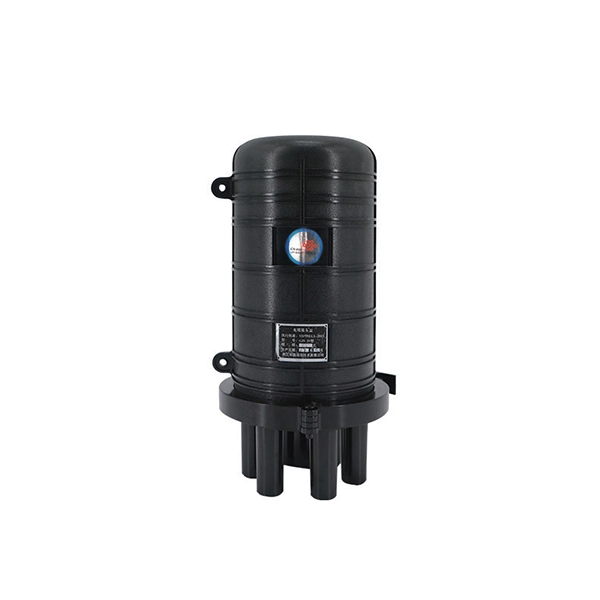
Check Fiber Cables : Look for visible damage, sharp bends, or loose connectors. Clean Connectors : Use lint-free wipes and isopropyl alcohol to remove dust or oil. Fiber optic networks are the backbone of modern data centers and communication systems, valued for their high...
[PDF Version]To identify a broken fiber optic cable, start by performing a visual inspection for any physical signs of damage, such as bends, cracks, or breaks...
There are several methods to test fiber optic cables without a tester. One method is using a visual fault locator (VFL), as mentioned earlier, to v...
Intermittent fiber optic connections can be caused by a variety of factors, including: Poorly terminated connectors or splices that result in unsta...
This problem usually comes down to one of five things: a bad local network setting, a router or modem issue, DNS failure, an IP address conflict, or a wider ISP outage. The good news is that Ethernet “connected but no internet” is usually fixable without replacing hardware...
[PDF Version]
Most Fiber cables don't Need to be Replaced. If installed and protected correctly against technical and environmental conditions, they can last: 25–50 years (outdoor plant infrastructure, long-haul wiring) 15–30 years (indoor building wiring systems) 10–20 years (FTTH plant...
[PDF Version]
When cable trays pass through walls or floors, seal openings using fire-rated penetration sealing materials. Do not modify or damage the tray coating or structure during use. If any abnormality is detected. The need to provide fire sealing is a fundamental requirement of the...
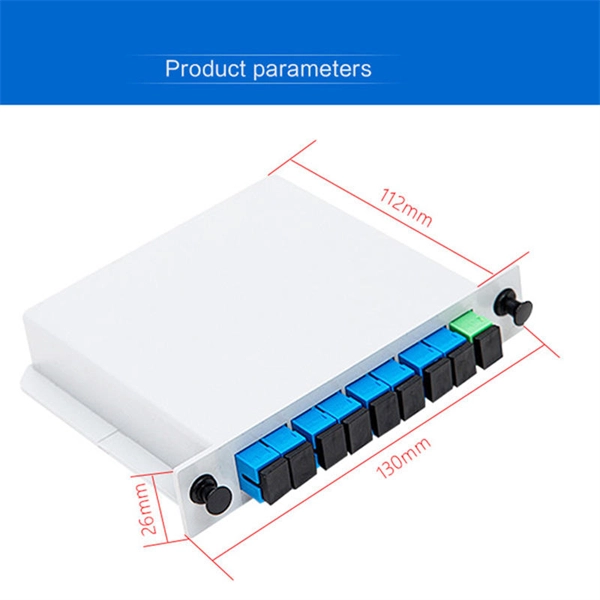
The outer jacket of the fiber optic cable is a plastic sheath, inside there is a metal sheath, inner has water blocking layer that swells with water. • High quality, sturdy system cable • Available in various lengths and formats • Waterproof connector • With safety sleeve to...
[PDF Version]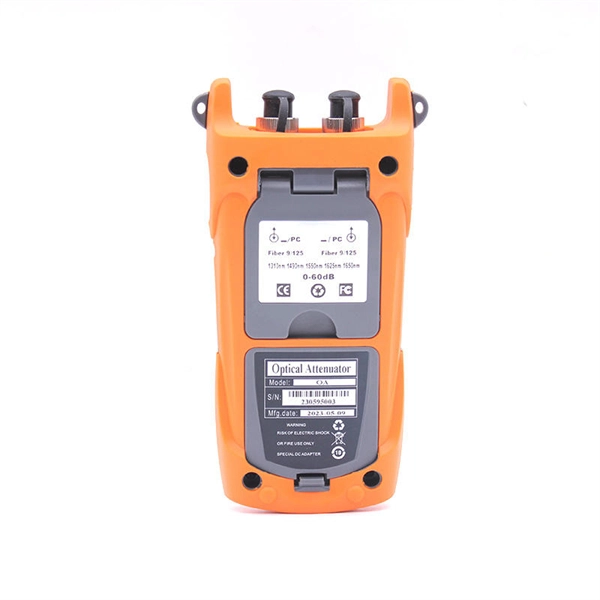
Among these materials, fiberglass cable trays have gained popularity due to their durability, lightweight nature, and excellent resistance to corrosion and environmental factors. This blog post will delve into the leading fiberglass cable tray manufacturers you should know...
[PDF Version]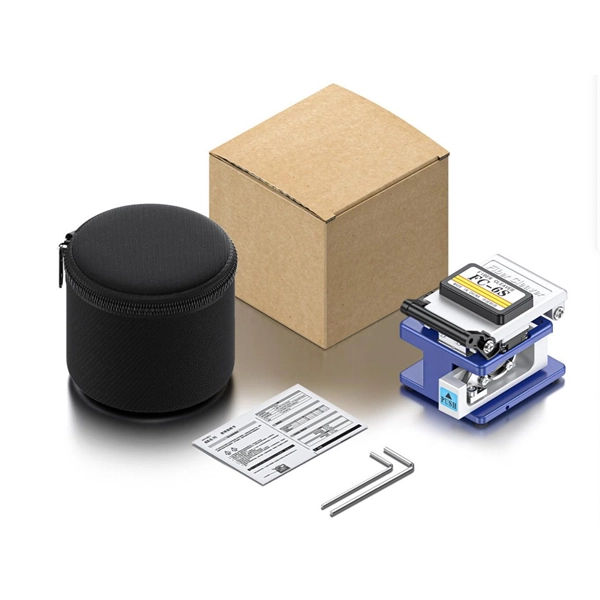
Optical cross connecting cabinet(OCC) series products are designed for fiber optic access network feeder cable and wiring cable junction of outdoor fiber optic cable interface equipment. The box adopts SMC polymer material design and manufacture, the protection grade can...
[PDF Version]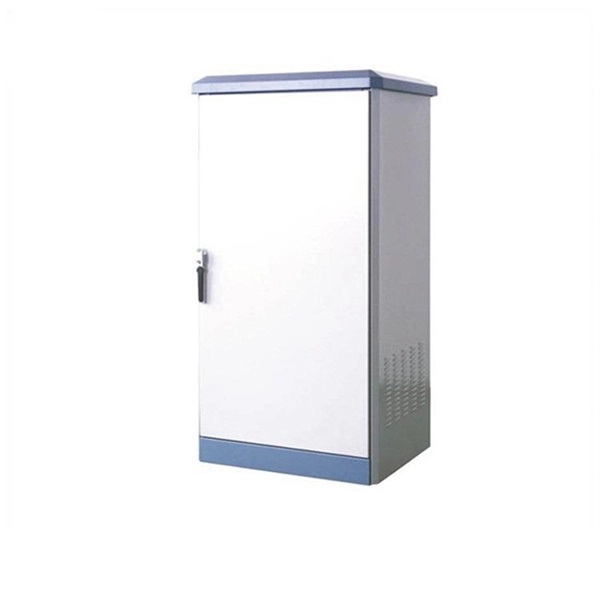
Fiber optic cable manufacturing is a multi-step process that typically involves preform preparation, fiber drawing, coating, testing, and final spooling or bundling. Each phase requires specific machinery and controlled conditions. Fiber optic cables are a crucial component...
Share the fiber interfaces, termination capacity, cable route and evidence required for handover.