
Technical notes
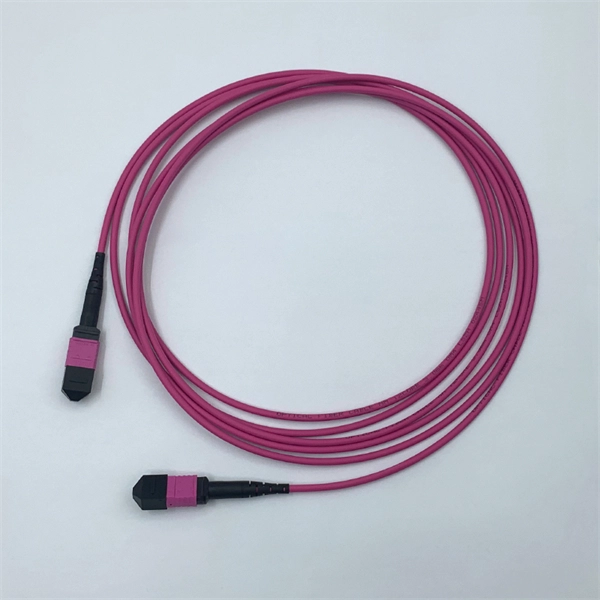
Decoding Fiber Optic Connectivity: Jumper Cables vs. Tail Lines in
While both serve critical connectivity roles, their design philosophies cater to different operational demands – jumpers prioritize convenience and speed, while tail lines
Introduction to Fiber Optic Jumper Structure and Classification
It should be noted that there is a difference between fiber optic jumpers and tail fibers. Only one end of the tail fiber is equipped with a connector plug, and the other end is a fiber optic cable
Classification characteristics of fiber optic jumpers
Generally, the short-wave optical module uses multimode fiber (orange fiber), and the long-wave optical module uses single-mode fiber (yellow
Optical fiber jumper classification and precautions for use
In general, short-wave optical modules use multimode fibers (orange fibers), and long-wave optical modules use single-mode fibers (yellow fibers) to ensure the accuracy of data
What is a fiber optic jumper? What is a tail line? What''s
Fiber jumpers are divided into single-mode and multi-mode, let''s see how to distinguish them: Single-mode optical fiber: Generally, the optical fiber
Understanding Fiber Jumper Cables: A Comprehensive
There are various kinds of fiber jumper cables, including single mode and multimode, which are based on the required distance and bandwidth.
Detailed explanation of the structure and classification of optical
Optical fiber jumpers (also known as optical fiber connectors) refer to the connector plugs installed on both ends of the optical cable to realize the active connection of the optical path;
| Fiber Hope
In addition, the fiber optic jumper wire or fiber tail fiber can be connected with a variety of optical fiber connector, includes FC, SC, ST, LC, MTRJ, MPO, MU, SMA, E2000, etc.
What Is A Fiber Optical Jumper And What Are The
Optical fiber jumper (Optical Fiber Patch Cord / Cable) is similar to coaxial cable, except that there is no mesh shield. At the center is a glass core for signal
Structure and polarity classification of MPO/MTP fiber jumpers
MPO/MTP fiber optic jumper is a high-density fiber optic transmission jumper. MPO/MTP connector is one of the MT series connectors, which is a multi-core and multi-channel plug-in connector.
Comparison and Difference Between Fiber Optic Tail
Comparison and Difference Between Fiber Optic Tail and Jumper If you have questions about the differences between fiber pigtails and fiber patch cords, this
Optical fiber jump line classification
Optical fiber jumper products are widely used in: communication room, fiber-to-the-home, local area network, optical fiber sensor, optical fiber
Optical fiber jumper classification and precautions for use
If the optical fiber connector is dirty, you can use a cotton swab dipped in alcohol to clean it, otherwise the communication quality will be affected. 1. Before use, the ceramic ferrule and
How to Select the Perfect Fiber Jumper Cables?
Fiber jumper cables are mainly used for connection in the context of optical fiber communications including applications like cable TV (CATV), inside buildings and in fiber to the
Detailed explanation of the structure and classification of optical
Finite specializes in R&D and production of LC, SC, ST, FC and other fiber optic patch cords with different interfaces.Optical fiber jumpers (also known as optical fiber connectors) refer to
| Fiber Hope
In addition, fiber optic jumper wire also support high-speed communication, but also can be applied in many fields, such as the integrated optics, laser detection and display, and material processing, etc.
A Comprehensive Guide to Optical Patch Cords Types
Optical patch cords, also known as fiber optic jumpers, are indispensable in linking optical devices and ensuring efficient data transmission.
The Classification Of Fiber Optic Patch Cord, Fiber
Fiber Optic Patch Cord Type By Using Environment: Armored fiber optic jumper: A new optical fiber jumper has the advantage of no need to use
Related Video Reference
This video was associated with the source search result. Verify technical details against current product documentation and project requirements.