
Technical notes
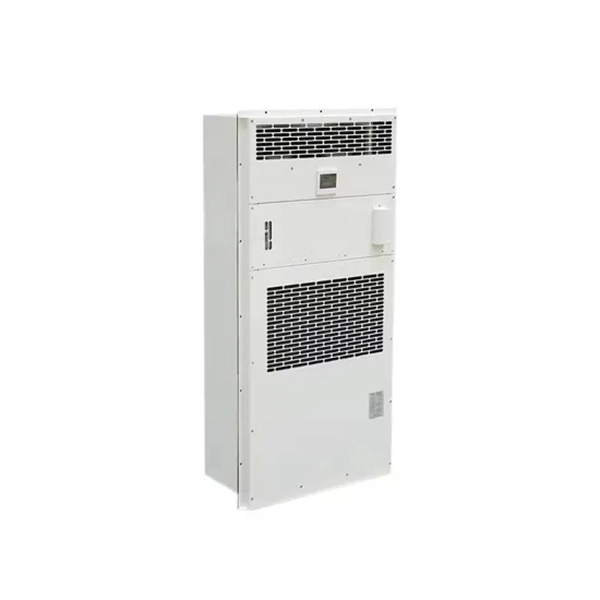
A Beginner''s Guide to Understanding Telecom Power Supply Systems
Telecom power supply systems are essential for ensuring uninterrupted communication, providing reliable energy to telecommunication networks even during outages. Key components like
Communications System Power Supply Designs
These are three of the many telecommunication power supply applications that challenge power system designers to analyze a wide range of power distribution architectures and converter topologies.
Telecom DC Power Systems Explained | 48V DC
Learn how telecom DC power systems work, including 48V DC architecture, rectifiers, battery backup, and protection systems. Explore why DC
–48V DC Telecom Power System Design Guide
Learn the architecture, grounding principles, and design logic behind –48V DC telecom power systems used worldwide.
Communications in power system protection (medias, protocols and
A communication system consists of a transmitter, a receiver and communication channels. Type of medias and network topologies in communications provide different opportunities
Discussion on the Management of Special Power Supply System for
Each communication high-frequency switching power supply system should include at least one high-frequency switching power supply panel, one battery pack, and should be equipped
Power Supply in Telecommunications
2 Requirements of Telecommunications Systems on the Power Supply 2.1 D.C. Power Supplies 2.1.1 Level of the Direct Voltages 2.1.2 Tolerance for Direct Voltages 2.1.3 Purity of Direct Voltages 2.1.4
Power supplies with communication interface
The devices provide direct access to a large range of highly informative data-sets that help to monitor, analyse and optimise the complete power supply concept of any machinery – from the quality of the
Improving System Efficiency with a New Intermediate-Bus Architecture
Ever growing demand for efficient and high quality tele- and data-communication power systems have driven the replacement of centralized power supplies with distributed architectures.
The heart of communication system: the power supply system
Batteries are the core equipment to ensure the uninterrupted power supply of communication power. At present, valve-regulated sealed batteries account for the vast majority of
JetBlue | Why settle for just cheap airline tickets? Get
JetBlue offers affordable flights with ample legroom, free Wi-Fi, live TV, movies, and more. Book your next trip today!
Introduction to Power System Communication Networks
Explore the critical role of communication networks in power systems. Learn about their architecture, key technologies, and the evolution from telegraph to smart grids. Understand how
Reliable PCB Solutions for Communication Power Supplies
Communication power supplies rely on digital protocols like I²C, SMBus, or PMBus to communicate with the host system, enabling adjustment of performance parameters based on operational conditions.
High Performance Communication Power Supply: Advanced
The communication power supply incorporates multilayered protection systems that safeguard both the power supply unit and connected equipment. This comprehensive protection suite includes advanced
(PDF) Communications for Electric Power System
PDF | This chapter is an overview on Communications applied for the Electric Power Systems . Thus, in the first section of this chapter, the Standards... | Find, read and cite all the
Power supplies with communication interface
The power supply data can also be used within real-time control loops. Based on the data, drives or other high-energy users can be controlled in an optimal way to keep the dynamic power needs within
Power System: Basic Structure and Functioning
A power system is a combination of central generating stations, electric power transmission system, Distribution and utilization system. Each one of these systems is explained in
Power Architectures for Telecommunications
typical architecture of ALFATEL Reliable power supply for telecommunications (ALFATEL) shown in Fig 4, system addresses the crucial
Related Video Reference
This video was associated with the source search result. Verify technical details against current product documentation and project requirements.