
Comparing Otdr Wavelength Responses
Search optical fiber, connectivity, cable management and network infrastructure references.
- Comparing
- Otdr
- Wavelength
Articles and technical references
9 on this page-
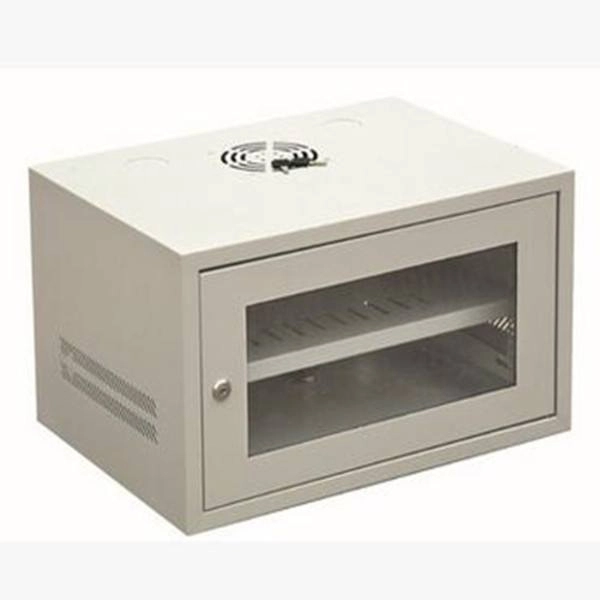
1550nm optical module wavelength
Operating at a wavelength near 1550 nanometers, it enables high-speed data transmission across single-mode fiber (SMF), especially suited for long-reach applications such as metro or WAN environments. This blog explores what a 1550nm transceiver is, its. You use 1310nm and...
[PDF Version]
-
Can other brands of optical modules be used with a wavelength division multiplexing WDM box
Q: Can two optical modules from different brands/suppliers be connected to each other? A: If the wavelength, speed, and fiber type of the module are the same and operate normally on the original switch, two different brands of optical modules can be interconnected. 1, Same...
[PDF Version]
-
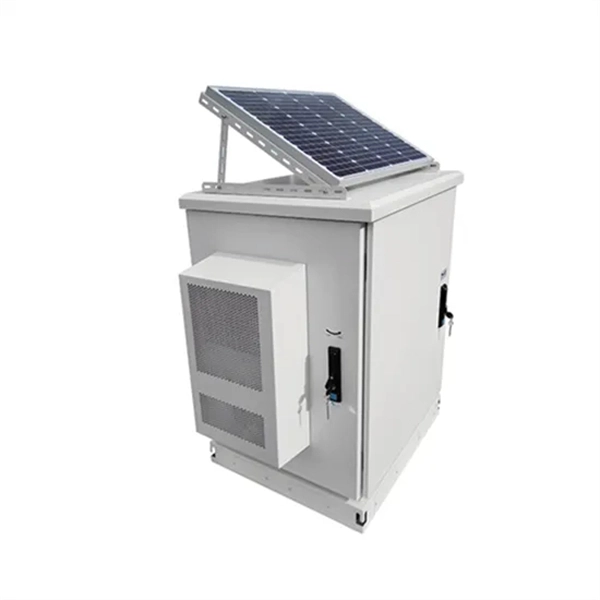
Characteristics of Dense Wavelength Division Multiplexing Technology
Dense wavelength division multiplexing (DWDM, ITU standard G. 1 ) is the extended method for very large data capacities, as required e. It uses a large number of channels (e. 40, 80, or 160), and a correspondingly small channel spacing of. WDM systems are divided into three...
[PDF Version]
-
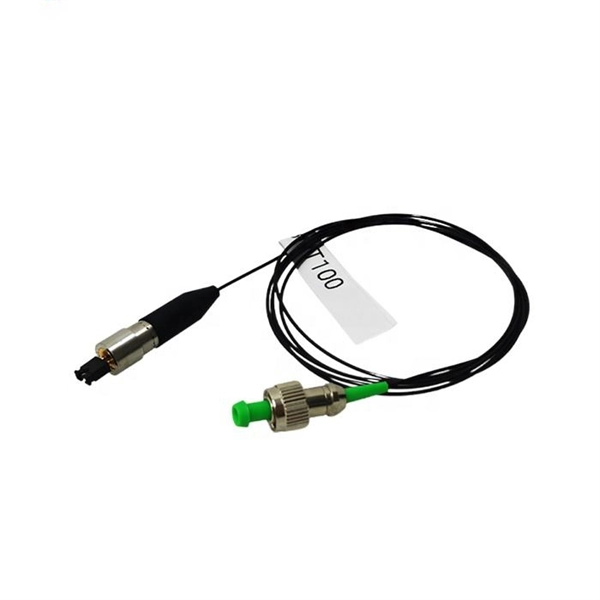
OTDR Fiber Optic Tester Broadcasting
An Optical Time Domain Reflectometer (OTDR) is the most powerful tool for characterizing fiber optic networks. It works like "radar for fiber optics," sending light pulses down the fiber and analyzing the reflected light to measure loss, locate faults, and verify...
-
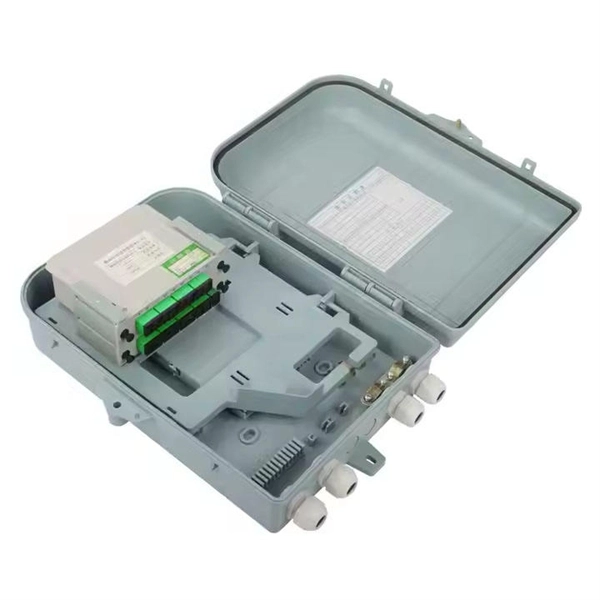
Does a coarse wavelength division multiplexer come with its own modules
The multiplexing function is accomplished by means of a passive CWDM multiplexer (MUX) module employing a sequence of wavelength-specific filters. Being a passive unit, the WDP16. A CWDM SFP module is an optical transceiver that uses Coarse Wavelength Division Multiplexing...
[PDF Version]
-
WDM Wavelength Division Multiplexing technology can be divided into three types
WDM divides the fiber into channels with different wavelengths, allowing multiple signals to be transmitted simultaneously. There are three main types of WDM: WDM, CWDM, and DWDM, all of which increase the capacity of the fiber. Although both technologies function by...
-
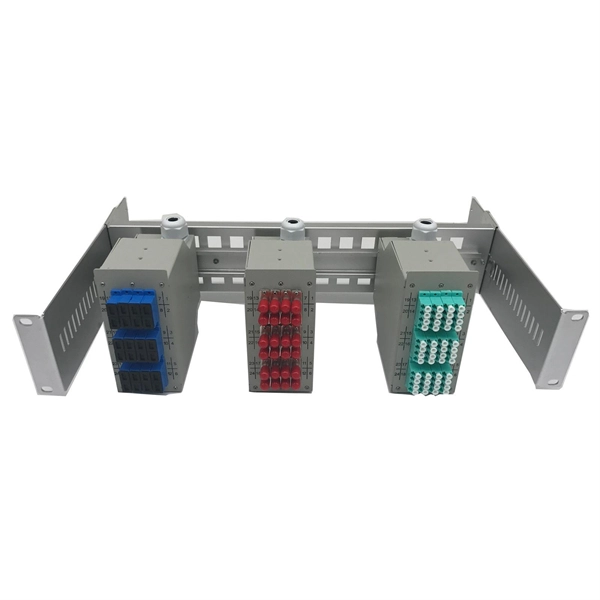
Upgraded version of smart OTDR for 5G base stations
The latest software release includes several usability enhancements, these are the main new functional additions, for more information please see the release notes: OTDR and SmartLink Mapper Test Applic.
-
Demultiplexing principle of wavelength division multiplexers
This technique enables bidirectional communications over a single strand of fiber (also called wavelength-division duplexing) as well as multiplication of capacity.OverviewIn, wavelength-division multiplexing (WDM) is a technology which a number of signals onto a single by...
-

Structure and Working Principle of the OTDR Optical Time Domain Reflectometer
OTDR utilizes the reflection and scattering characteristics of optical pulses to measure the loss and fault locations in optical fibers. It emits short pulse light signals into the tested fiber and records the echo signals of the light pulses. It provides an expert-curated...
[PDF Version]