Skip to content
PROMETHEASOPTICAL Send a project enquiry
Reference library

Construction Plan for Laying Communication Optical Cables

Published
  • Construction
  • Plan
  • Laying
Source context

AI source overview

A communication optical cable construction plan involves systematic planning, route design, cable selection, installation, splicing, testing, and maintenance to ensure a reliable and high-speed fiber optic network. 1.

Project Planning and Requirements

Successful optical cable construction begins with thorough planning. Key steps include defining the network's purpose and performance targets, selecting the appropriate fiber type (Single Mode Fiber or Multi-Mode Fiber), and evaluating compatibility with existing infrastructure and equipment. Planners must also establish the cable route, identify necessary permits and regulatory requirements, estimate costs, allocate resources, and develop a project schedule with milestones.

Engaging stakeholders, including network engineers, architects, and contractors, ensures alignment on technical and business requirements. 2.

Site Survey and Route Design

A site survey is critical to map streets, terrain, existing utilities, and potential obstacles. The construction plan should specify whether cables will be installed aerially on poles or underground in conduits or ducts. Advanced methods like micro-trenching can minimize disruption in urban areas.

Route optimization tools, often GIS-powered, help determine the most cost-effective and reliable path while considering environmental and regulatory constraints. 3.

Cable Selection and Procurement

Cable selection depends on network requirements. Single-mode fiber is ideal for long-distance, high-bandwidth backbones, while multi-mode fiber suits shorter premises networks. Hybrid cables combining both types can provide flexibility for future expansion.

Procurement also includes connectors, termination boxes, splicing equipment, and active components like switches and routers. 4. Approvals, Permits, and SafetyBefore construction, obtain municipal permits, easements, and private property approvals.

Safety measures include eye protection, handling fiber scraps, and underground utility location to prevent accidents. Compliance with local regulations ensures legal and operational safety. 5.

Installation

Installation methods vary by environment: Aerial installation: Cables are strung between poles using pulleys and tensioners, secured with clamps and spacers. Underground installation: Cables are pulled through conduits or ducts; micro-trenching is used in dense urban areas for minimal disruption. Proper handling prevents fiber damage and ensures signal integrity.

6.

Splicing and Testing

Fiber sections are joined via fusion splicing to allow uninterrupted light transmission. After splicing, the network undergoes testing for signal loss, continuity, and performance to ensure compliance with design specifications. Documentation of splices, test results, and cable routes is essential for future maintenance.

7.

Network Equipment Installation

Install optical line terminals (OLTs), optical network terminals (ONTs), and switches according to the network design. Consider capacity, scalability, signal loss, and redundancy to optimize performance. 8.

Maintenance and Restoration Planning

A comprehensive plan includes routine inspections, preventive maintenance, and restoration procedures in case of outages. Proper documentation and monitoring systems help quickly identify and resolve issues, ensuring network reliability.

Summary

A robust communication optical cable construction plan integrates planning, route design, cable selection, regulatory compliance, installation, splicing, testing, and maintenance. Following industry standards and best practices ensures a high-quality, scalable, and reliable fiber optic network capable of meeting current and future communication demands.

Research context

Reference summary

Optical Fiber Cable Engineering Construction: A Comprehensive Optical Fiber Cable engineering construction refers to the process of designing, planning, ex.

From reference to enquiry

Questions for your project

Use these editorial prompts alongside the linked excerpts. They identify items to confirm for your project.

Technical notes

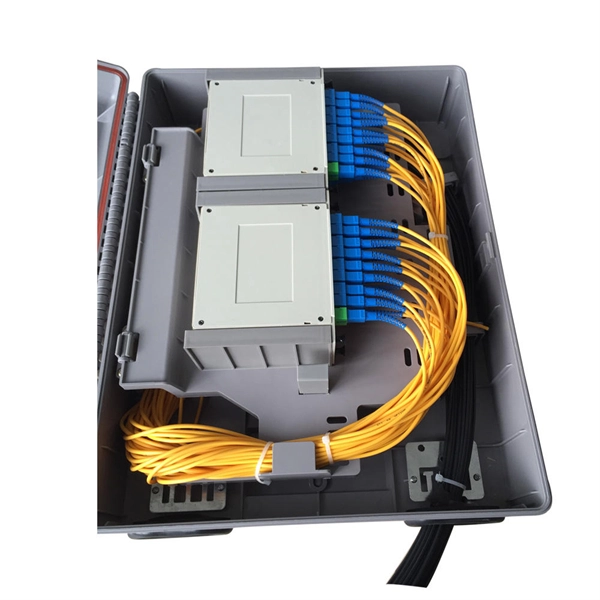
Illustrative equipment image

Optical Fiber Cable Engineering Construction: A Comprehensive

Optical Fiber Cable engineering construction refers to the process of designing, planning, executing, and maintaining communication system infrastructure by deploying optical cables and associated

FOA Standard For Installing Fiber Optic Cable Plants

This standard describes procedures for installing and testing cabling networks that use fiber optic cables and related components to carry signals for communications, security, control and similar purposes.

Fiber Optic Network Construction

Learn how fiber optic network construction works—from site survey and permits to aerial vs underground fiber cable installation, splicing, and FTTH

The FOA Reference For Fiber Optics -Outside Plant Construction

The FOA Outside Plant Construction Guide is a concise reference for the installation of fiber optic cables, including the construction involved in underground, direct-buried and aerial cables.

Underground Fiber Optic Cable Installation: A Complete

Learn how to install underground fiber optic cables safely and efficiently. Explore trenching, conduit selection, direct burial methods, splicing,

Fiber Optic Cable Installation Method Statement

Below is given the fiber optic cable installation method statement for performing the installation of optical fiber cabling system for any kind and size of project. The method covers the

FIBER OPTIC CONSTRUCTION STANDARDS

Fiber optic cable sequential numbers are required at each pole location and vault wall. Sequential numbers will identify conduit length, and slack left in vaults and at poles.

Fiber Optic Installation Process 2026 Guide | ZION Communication

A practical, engineer-friendly guide to planning, installing, testing, and maintaining modern fiber optic networks for FTTH, FTTR, smart buildings, and data centers in 2026.

The FOA Reference For Fiber Optics -Outside Plant Construction

This chapter covers many topics of relevance to OSP construction that should be considered as part of the overall project planning. For additional information on the design phase which initiates the

OPTICAL FIBRE CABLES INSTALLATION GUIDE

Cable laying refers to deploying the optical fibre cable between the ends to be connected. There are several laying methods depending on the area where the cable laying needs to take place.

New Construction Fiber Optic Cabling Overview & Guide

Fiber optics are crucial in modern buildings, providing the backbone for advanced digital communications. Integrating fiber optic installations during construction is vital for ensuring state-of

OFC Laying Practices and Guidelines | PDF | Rope | Optical Fiber

This document provides guidelines for laying optical fibre cables, including detailed surveying the cable route, soil categorization, recommended pipe types for cable protection,

OSP Civil Works Guide-FOA

OSP Fiber Optics Civil Works Guide An updated version of this booklet is now available as a textbook on Amazon, is included in the FOA Reference Guide to Outside Plant Fiber Optics and as a section

A Guide to Fiber Optic Network Planning and Design

Expert tips: Route optimization tools (usually GIS-powered solutions) can assist in determining the optimal path for laying cables, accounting for distance, existing infrastructure, terrain,

Fiber Optical Cable Installation and Construction

The above are the optical cable installation and construction requirements and optical cable laying construction plans for you. GL has been

Discussion on the Key Points of Optical Cable Line Construction

In the construction process of optical fiber communication engineering, it is necessary to pay attention to how to improve the construction technology of optical cable line, so as to ensure the

Fiber Optic Cable Installation, Overhead vs. Buried

Overhead and buried laying are the most common laying methods for fiber optic cable installation. What are their differences and which one is the best

Overhead Optical Cable Construction Guidelines

In the communications industry, how to construct overhead optical cable is a problem that many front-line communications construction workers will encounter.

Related Video Reference

This video was associated with the source search result. Verify technical details against current product documentation and project requirements.

Share your network requirements

Share the fiber interfaces, termination capacity, cable route and evidence required for handover.

Send a project brief