
What is the current Passive Optical Network (PON) Equipment Market size?
The Passive Optical Network (PON) Equipment Market is projected to register a CAGR of 10.27% during the forecast period (2023-2028). Read More
Search optical fiber, connectivity, cable management and network infrastructure references.
This article explores the core SMT assembly technologies for data-center optical-module PCBs in the CPO era, highlighting key challenges and practical solutions in electro-optical co-design, thermal-power management, and precision manufacturing. The crucial process of optical...
[PDF Version]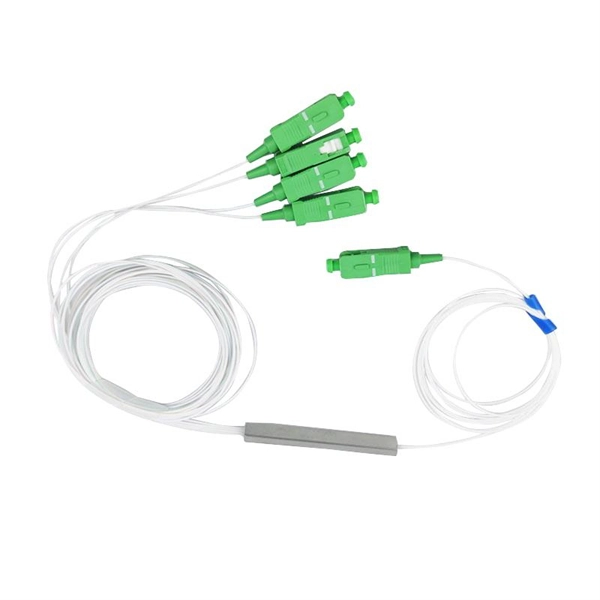
A fiber optic splitter is a passive optical component that divides a single incoming optical signal into two or more outgoing signals, or combines multiple incoming signals into one. Splitter architectures can impact fiber counts, splicing needed, numbers of fiber needed, and...
Telos designs robust Passive Optical Networks (PON), providing dependable, high-speed network services through a fiber-optic infrastructure. As a global technology powerhouse, Huawei Technologies Co. The company integrates cutting-edge protocols and high-efficiency optical...
[PDF Version]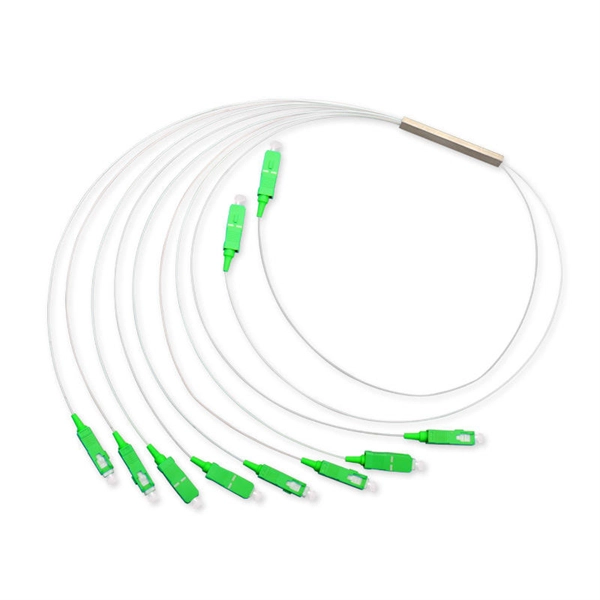
Some of the most common optical passive components include optical couplers, optical splitters, optical filters, optical connectors, optical attenuators, optical circulators, optical isolators, optical switches, and optical add/drop multiplexers. Optics engineering focuses on...
[PDF Version]
Top 10 Passive Optical Network Companies Shaping the Future: Discover the innovators and market leaders driving Passive Optical Network technology into a n.
[PDF Version]The Passive Optical Network (PON) Equipment Market is projected to register a CAGR of 10.27% during the forecast period (2023-2028). Read More
ADTRAN, Inc., Calix, Inc., Huawei Technologies Co., Ltd., Mitsubishi Electric Corporation and Motorola Solutions, Inc. are the major companies oper...
Asia Pacific is estimated to grow at the highest CAGR over the forecast period (2023-2028). Read More
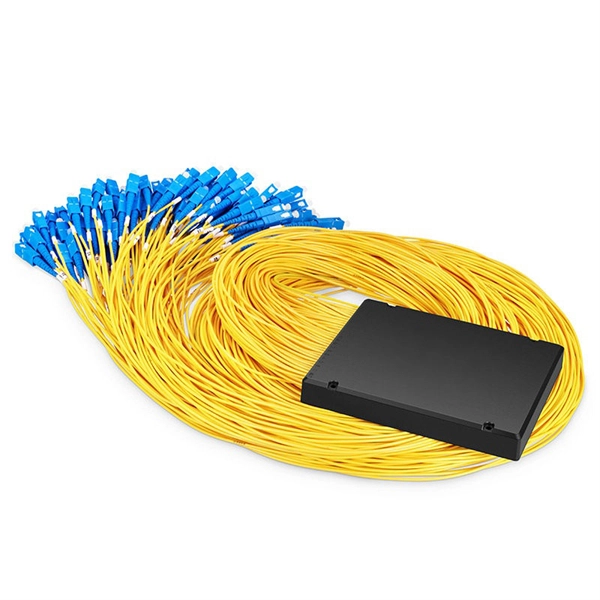
Optical passive components refer to devices that handle optical signals but require no outside electrical power. They don't add gain or require power, but they decide how efficiently, cleanly, and safely light moves through your network or laser chain. This guide blends clear...
[PDF Version]
Modern fiber-optic communication systems generally include optical transmitters that convert electrical signals into optical signals, to carry the signal, optical amplifiers, and optical receivers to convert the signal back into an electrical signal. The information...
Share the fiber interfaces, termination capacity, cable route and evidence required for handover.