
What is a colocation data center?
A colocation data center is a facility that provides the building, cooling, power, bandwidth, and physical security. This type of data center can p...
Search optical fiber, connectivity, cable management and network infrastructure references.
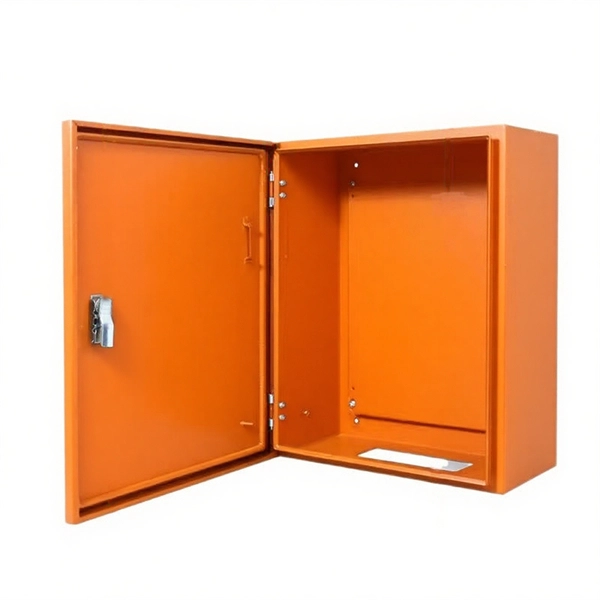
Network rack parts typically include routers, switches, patch panels, and cable organizers. It keeps things tidy. It includes an examination of servers, networking equipment, and storage solutions that work together to facilitate effective processing, storage, and...
[PDF Version]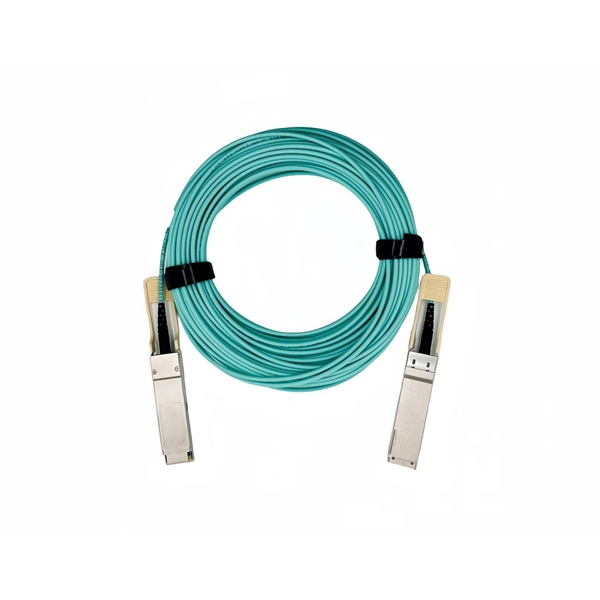
Running Category 6 (Cat6) network cable inside protective tubing, known as conduit, is a best practice for high-speed data installations. Server racks, from a strict technical point of view, are designed to house computers that are dedicated to serving out data and the...
[PDF Version]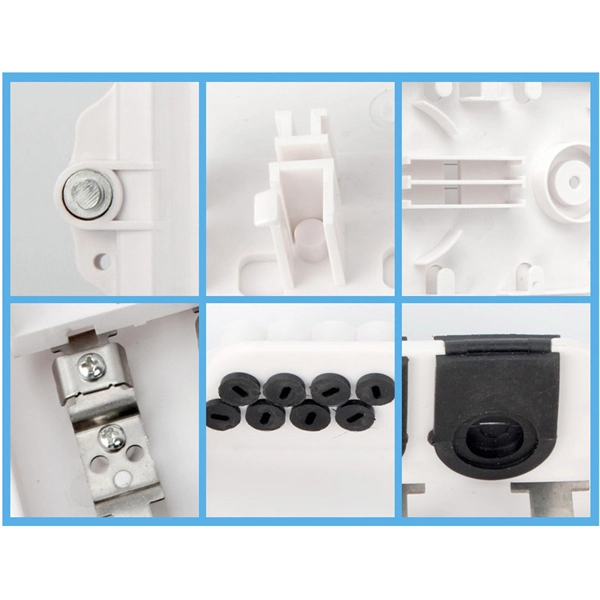
While a standard rack uses 7-10 kW, an AI-capable rack can demand 30 kW to over 100 kW, with an average of 60 kW+ in dedicated AI facilities. This article provides a condensed analysis of these costs, key efficiency metrics, and optimization strategies. It is measured in...
[PDF Version]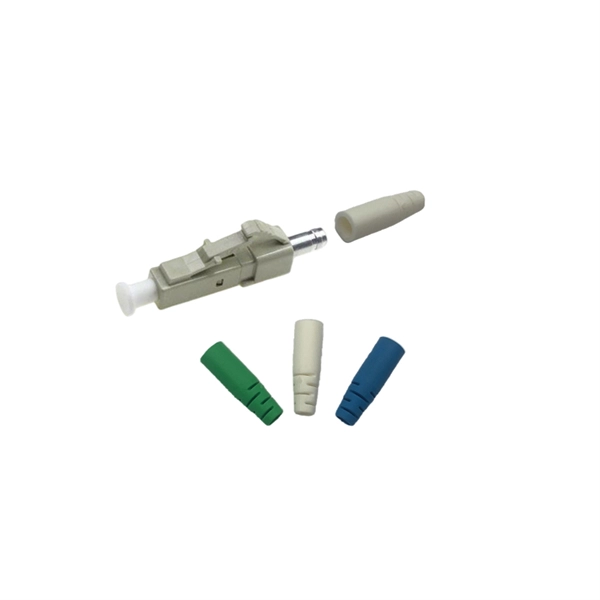
Data Center vs. Server Room: Main Differences, AdvantagesAccording to Cisco, a data center is a dedicated facility designed specifically to house IT infras.
[PDF Version]A colocation data center is a facility that provides the building, cooling, power, bandwidth, and physical security. This type of data center can p...
Cages refer to the type of space that comes with colocation data centers. The purpose of these cages is to separate one customer's space from anoth...
The industry-standard metric for data center efficiency is the Power Usage Effectiveness or PUE™. Most simply, PUE™ equals the total energy consump...
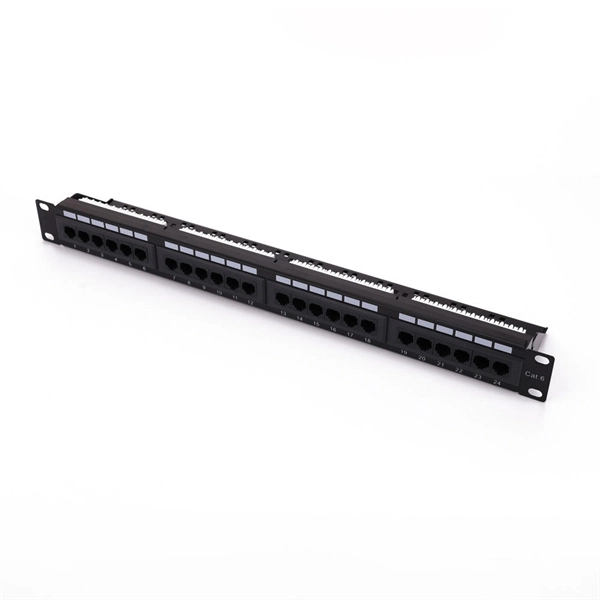
Rack-integrated lighting systems refer to luminaires specifically mounted on or inside data racks, designed to provide direct illumination for equipment access, maintenance, and cable management. Unlike overhead lighting, rack lighting addresses blind spots inside enclosures...
[PDF Version]
Do not aim for the densest possible placement of equipment per unit. Leave units for unscheduled future scaling and for horizontal organizers. Each cabinet comprises a structural frame, adjustable mounting rails, bracing equipment, grounding studs, interior shelves, and...
[PDF Version]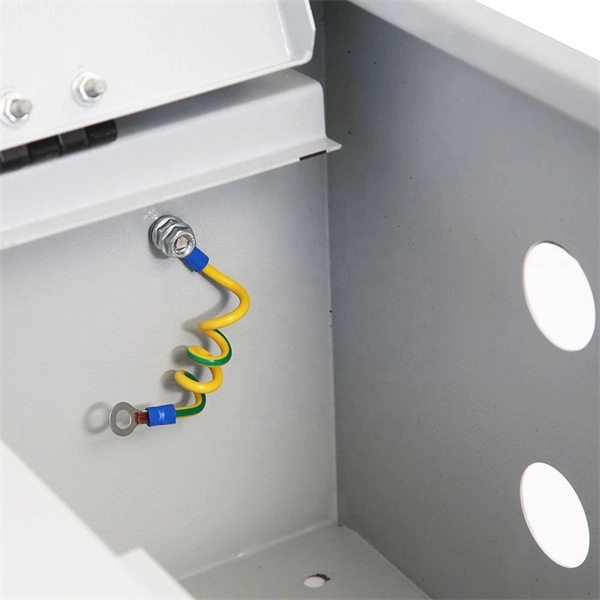
Install core rack components like a UPS, PDU, switch, and patch panel. Add a NAS and virtualization host for storage and compute workloads. Plan your rack size, power usage, and noise levels before installing. A server rack is a metal frame that holds and organizes your IT...
Share the fiber interfaces, termination capacity, cable route and evidence required for handover.