
Distance Protection Principle Operation Applications
Search optical fiber, connectivity, cable management and network infrastructure references.
- Distance
- Protection
- Principle
Articles and technical references
7 on this page-
Operating Principle of Electrical Relay Protection
Protective relays detect the abnormal conditions in the electrical circuits by constantly measuring the electrical quantities which are different under normal and fault conditions. The electrical quantities that may change under fault conditions include: voltage, current...
[PDF Version]
-
Protection distance for buried optical cables
Bury cables from 12-36 inches (or 30-90 cm) deep. Where plant life, sidewalks, and other utilities already disrupt earth, it's safer to bury at as little as 24 inches or 60 cm, using protective conduits to limit the likelihood of damaged cables by inexperienced maintenance...
[PDF Version]
-
Distance requirements for fire protection cable trays and low-voltage cable trays
This design note adopts a 300 mm horizontal air-gap separation between primary and secondary life-safety trays on roofs, based on these regulatory requirements and established UK guidance. BS 7671:2018 +A2:2022 states: “Circuits of safety services shall be independent of...
[PDF Version]
-
Relay Protection Circuit Protection Principle
A practical guide to how protective relays detect faults, trip circuit breakers, coordinate protection zones, and improve power system reliability. Summary: Several types of relays for different purposes exist in the area of power electronics and in this article, we are going...
[PDF Version]
-
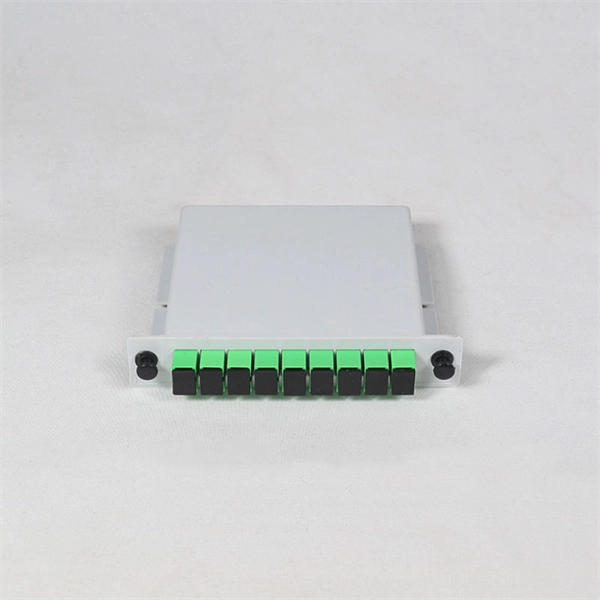
Relay Protection Operation Mode Selection
Explore the dual control modes of protection relays, including direct-operate and select-before-operate, and their applications in IEC 61850 and Modbus protocols. IEEE/IAS/I&CPSD Protection & Coordination WG Chair Jacobs Canada, Calgary, AB rasheek. com IEEE Southern Alberta...
[PDF Version]
-
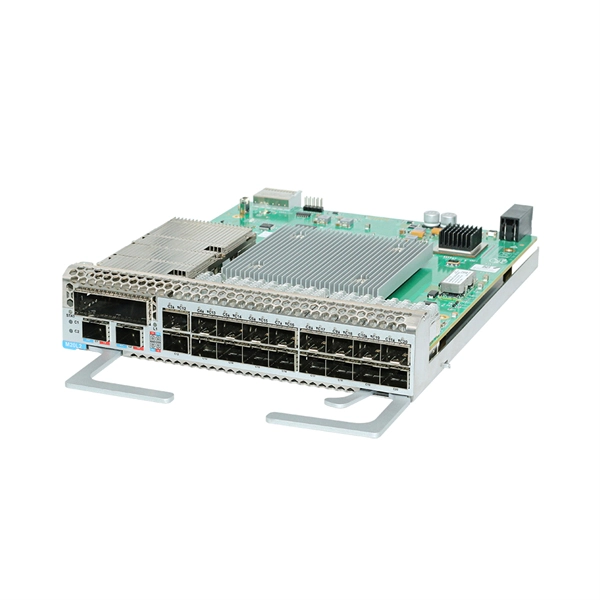
Examples of Relay Protection Applications
It covers the protection methods for generators, transformers, buses, and transmission lines using various relay types to detect and isolate faults efficiently. Protective relays can be classified based on their operating principle, construction, or function: 1. This guide...
-
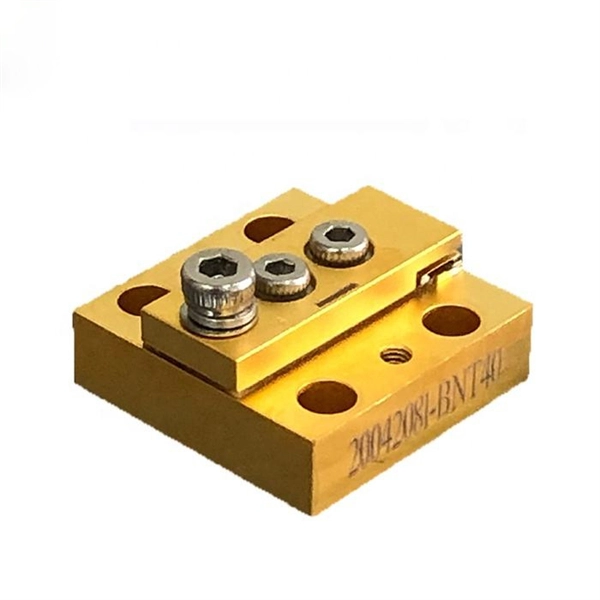
Principle of Industrial Control Computer for Relay Protection Tester
Its core is a high-performance microprocessor that accurately controls various testing parameters, simulates various fault states in the power system, and tests the performance and accuracy of relay protection devices. The working principle and advantages of the microcomputer...
[PDF Version]