
Distributed Temperature Sensing Dts
Search optical fiber, connectivity, cable management and network infrastructure references.
- Distributed
- Temperature
- Sensing
Articles and technical references
8 on this page-
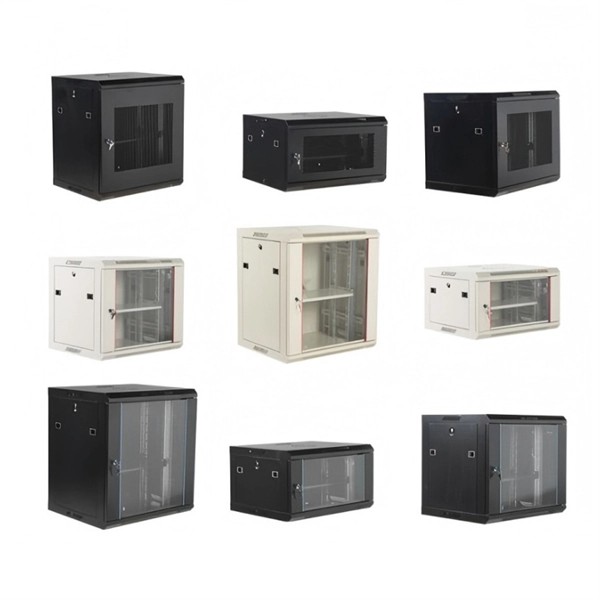
Cable trays must be equipped with temperature sensing wires
Cable trays, including multi-tier cable trays, can be protected from overheat or fire using LST Heat Detection cable. Therefore, any temperature monitoring system associated with the trays must be durable and flexible to accommodate these conditions. 6m (2ft) in width, two...
[PDF Version]
-
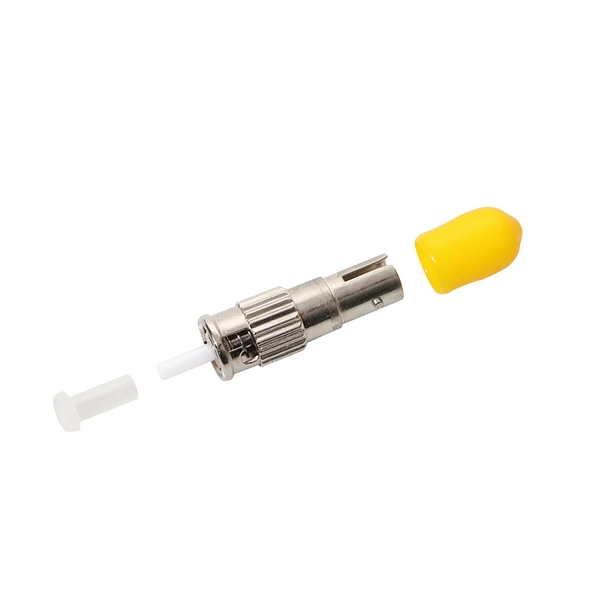
Fiber optic temperature sensor DTS
Distributed temperature sensing systems (DTS) are optoelectronic devices which measure temperatures by means of optical fibres functioning as linear sensors. Temperatures are recorded along the optical sensor cable, thus not at points, but as a continuous profile. Unlike...
-

Distributed Fiber Optic Sensing Field
Distributed fiber optic sensing (DOFS) technology transforms standard optical fibers into continuous sensing media, enabling real-time, simultaneous measurement of temperature, strain, vibration, and acoustic signals at any point along tens of kilometers of fiber. By...
[PDF Version]
-
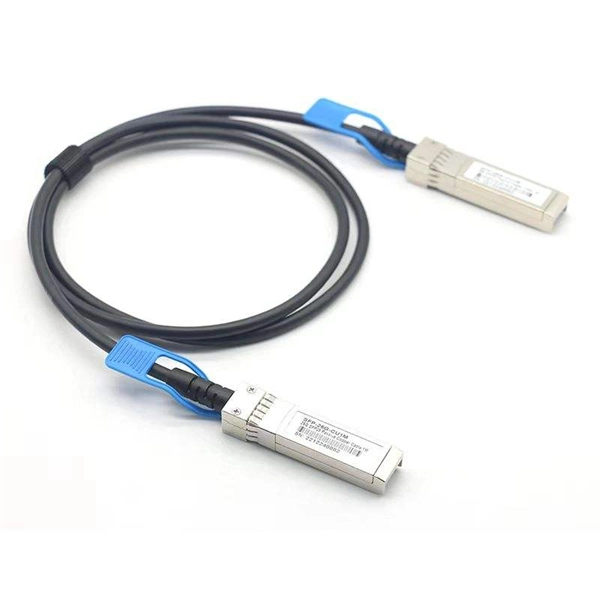
Maximum temperature of the secondary distribution box
Target Temperature: Keep internal temperatures below 95°F (35°C) to ensure safe and efficient operation. Passive: Vents, shade, and natural airflow – best for mild conditions. nternational Standard ISO 9001. Our commitment to the environment is reaffirmed with the...
[PDF Version]
-
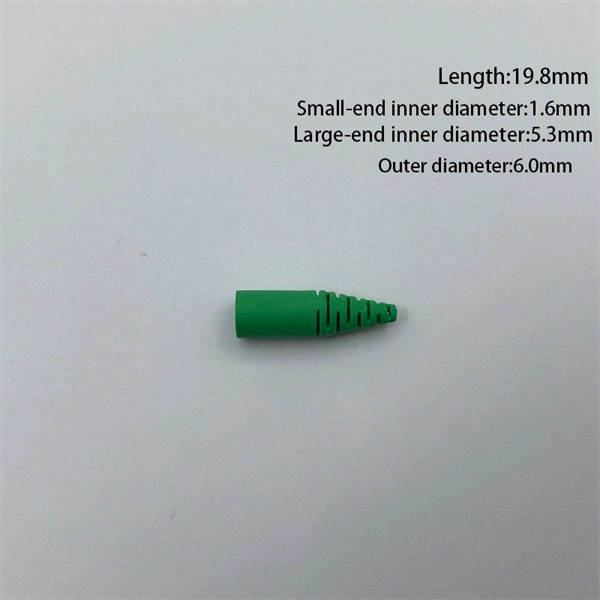
Heat resistance temperature of telecommunications optical cables
Standard fiber cables typically function well within a range of 85°C to 125°C. However, high-temperature resistant fibers, especially those coated with polyimide or specialized acrylates, can endure much higher temperatures. Signal Integrity: Extreme temperatures cause signal...
[PDF Version]
-
Storage temperature of optical fiber cable
Fiber optic cables should be stored in a climate-controlled environment where temperatures remain between 10°C and 30°C (50°F to 86°F). Extreme heat can degrade the cable jacket and internal buffer materials, while freezing temperatures may cause the cable sheath to become...
[PDF Version]
-
Fiber Optic Sensor Temperature Accuracy
This paper reviews the sensing principle, structural design, and temperature measurement performance of fiber-optic high-temperature sensors, as well as recent significant progress in the transition of sensing solutions from glass to crystal fiber. Fiber-optic...
[PDF Version]
-
Color Detection Fiber Optic Sensing Principle
Fiber optic sensors detect color by measuring reflected wavelengths; methods include comparison and triangulation. Radiation absorption excites an orbital electron to a higher energy level. Working principle Fiber. A Fiber Sensor is a type of Photoelectric Sensor that enables...