
Technical notes
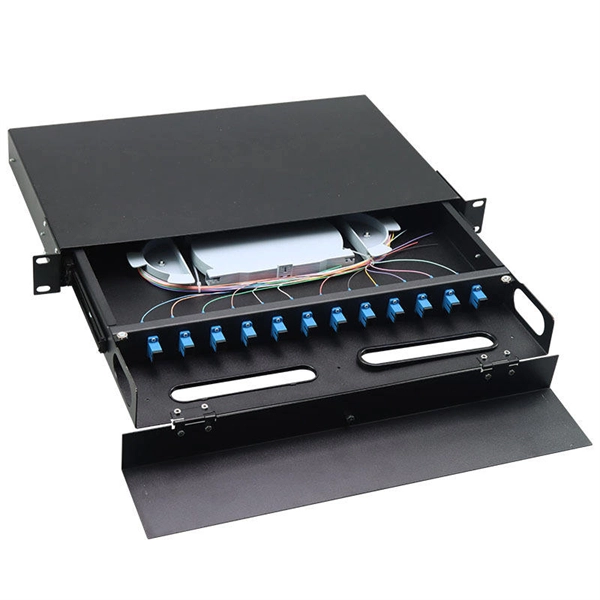
Fiber Optic Splice Boxes: Selection Criteria, and
A Fiber Optic splice box should not only accommodate the initial number of splices but also offer modular trays for cost-effective expansion. This prevents the need
Fiber Optic Termination Box vs. Fiber Optic Splicing Box
Conversely, a fiber optic splicing box, also known as a splice closure, is designed to join two fiber optic cables, creating a continuous light path for
Fiber Optic Splice Closure Guide | Structure, Types & Testing Standards
This is exactly why fiber optic splice closures play such a critical role in modern fiber networks. They are not optional accessories, nor simple protective boxes. They are engineered
Fiber Joint Box VS Fibre Optic Enclosures VS Fiber Splicing Box
A Fiber Joint Box (also called fiber closure, splice closure, or cable joint enclosure) is a sealed outdoor or underground enclosure designed to protect fiber optic cable splices from
Fiber Cable Mechanical Splicing Guide Using Fiber Splice Trays
To protect spliced fibers, manage excess cable length, and ensure long-term stability, splicing is typically completed inside a fiber enclosure equipped with dedicated fiber splice trays.
Optical Fiber Splicing: The Complete Technical Guide to Methods
This guide breaks down the fundamentals of optical fiber splicing, compares fusion and mechanical techniques, explains factors that influence splice loss, and outlines best practices for protection and
Fiber Optic Cable Splicing Explained
Fiber optic cable mechanical splicing is an alternate splicing technique that does not require a fusion splicer. A mechanical splice is a junction of two or more optical fibers that are aligned
Splice Box vs Splice Module | Fiber Products
While traditional splice boxes are optimal for permanent point-to-point connections with up to 48 fibres, modern splice modules in 1U form factor support up to 96 fibres and enable flexible
Fiber Splicing Methods and Protection with Splice Closures
This method doesn''t require heating and doesn''t permanently splice the fibers together, making it suitable for quick temporary repairs or projects with limited budgets.
The Complete Step-by-Step Guide to Fiber Optic Splicing
However, in reality, fiber optic splices are inherently necessary and always used when designing, installing, and maintaining a reliable communications network.
All You Need To Know About Fiber Termination Boxes:
Source In this blog, we will discuss the two types of fiber optic cables and the role of a simple yet essential piece of equipment in the fiber laying
Fiber Cable Mechanical Splicing Guide Using Fiber Splice Trays
Learn how to perform mechanical fiber cable splicing inside fiber enclosures using fiber splice trays. This step-by-step guide covers fiber preparation, alignment, splicing, protection, and
Fiber Optic Splicing: A Beginner''s Guide – VCELINK
Mechanical fiber splice does not require fiber melting, and the two fiber ends are not spliced into a solid piece. The splicing method can be used for
The FOA Reference For Fiber Optics
Splice-on connectors require a fusion splicing machine, more expensive than the kits for prepolished splice connectors, and some of these connectors only work with specific manufacturer''s splicing
The Fiber Optic Association
Fiber Optic Splice Closures Once fibers are spliced, they need to be protected. For protection against the outside plant environment and damage, splices require placement in a pro
Fiber Optic Fusion Splicing Guide: From Safety to
Frustrated with splice failures or elevated loss rates? Regardless of your level of experience, creating high-quality, high-performance fiber optic
Fiber Connectors vs Splicing
Considering the preceding points, technicians should use fiber optic connectors rather than create a splice unless some overriding factor contraindicates. Why We Like Splicing The
An Overview: The Pros and Cons of Various Splicing
Splice connectors are superior to standard fiber connectors because splicing ensures better return loss and insertion loss performance. As a result,
Related Video Reference
This video was associated with the source search result. Verify technical details against current product documentation and project requirements.