
Explosion Proof Devices Safety Standards And
Search optical fiber, connectivity, cable management and network infrastructure references.
- Explosion
- Proof
- Devices
Articles and technical references
10 on this page-
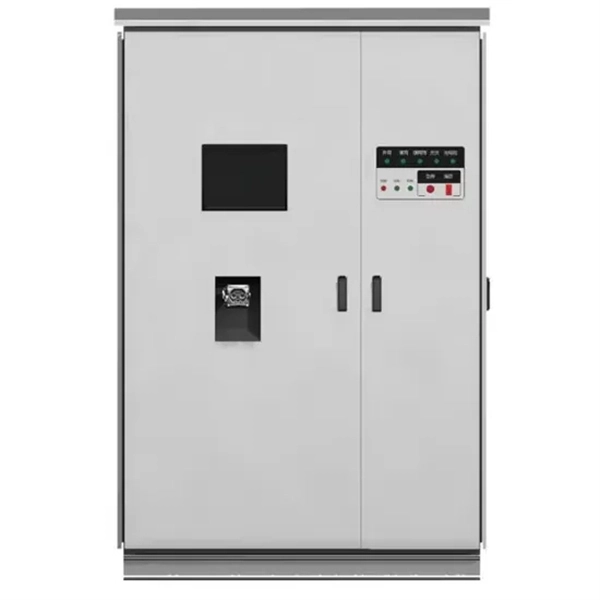
Safety Technical Standards for Cable Trays
Codes and Standards | Cable Tray InstituteProvides technical requirements concerning the construction, testing, and performance of metal cable tray systems.
[PDF Version]
-
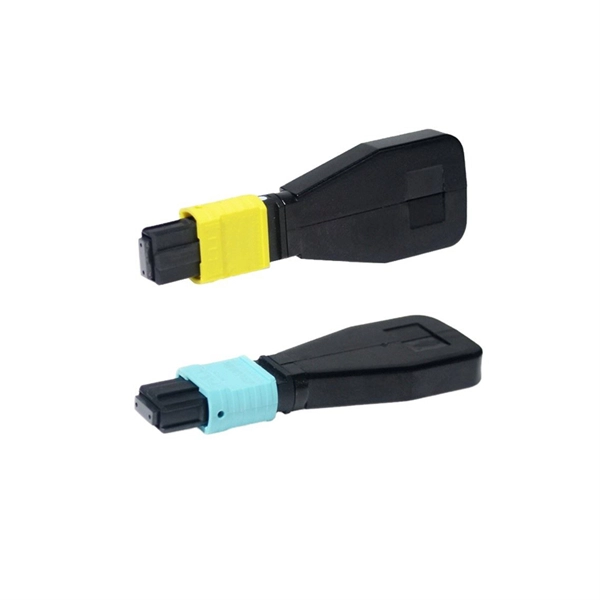
Safety Warning Sticker on Electrical Box
A proper sticker should include a hazard pictogram (for example a lightning bolt), a signal word ("DANGER," "WARNING," or "CAUTION"), and a clear description of the risk (like "High Voltage," "Electrical Shock Hazard," "Disconnect Before Maintenance"). Where should electrical...
[PDF Version]
-
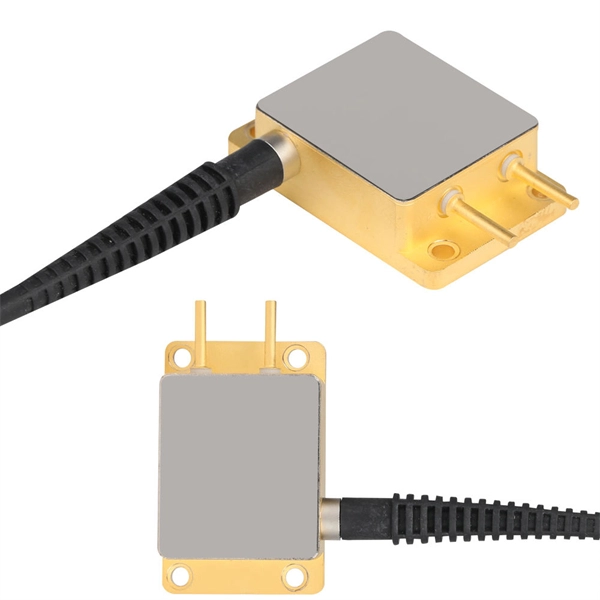
New Specifications and Models of BERT Error Correction Devices in the Ten ASEAN Countries
Bit Error Rate (BER) is a measure of telecommunication signal integrity based on the quantity or percentage of transmitted bits that are received incorrectly. Essentially, the more incorrect bits, the greater th.
-
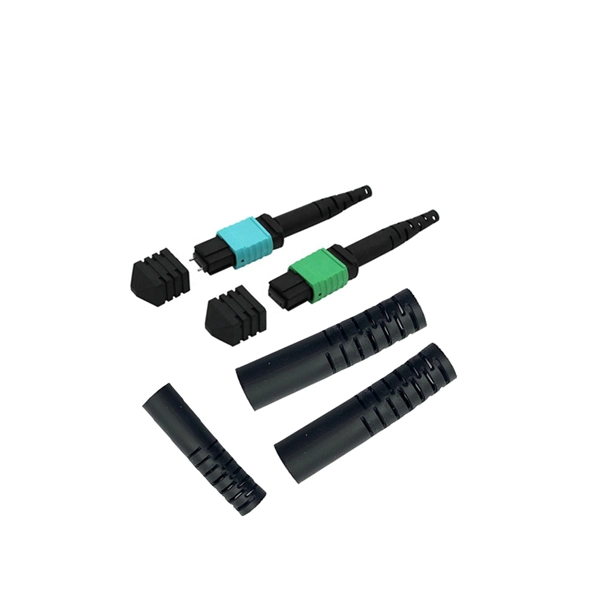
Fiber Optic Channel Technology Standards
Find out the latest updates on TIA Standards, IEEE Standards and Fibre Channel for optical fiber technology, new applications, and best practices. Fibre Channel (FC) is a high-speed data transfer protocol providing in-order, lossless delivery of raw block data. This article...
[PDF Version]
-
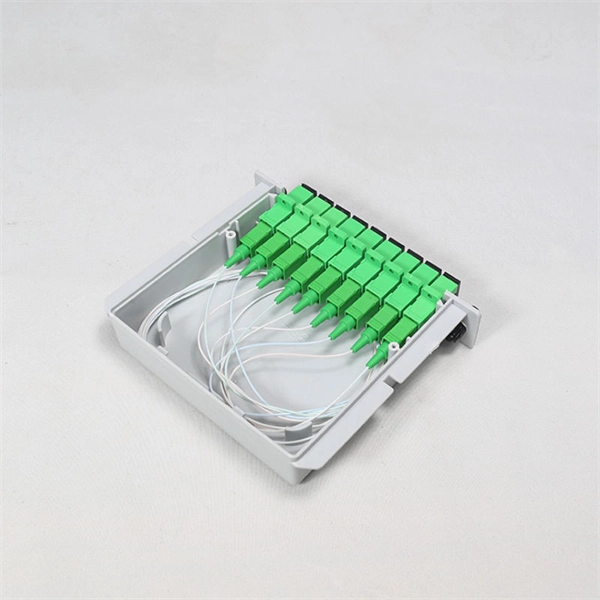
What are the industry standards for optical cables
This article introduces and explains the scope, application, and practical relevance of the eight most widely used fiber and optical cable standards: ITU-T G. 657, IEC 60793, IEC 60794, TIA-568. Fiber optic networks are built on well-defined standards that ensure quality...
[PDF Version]
-
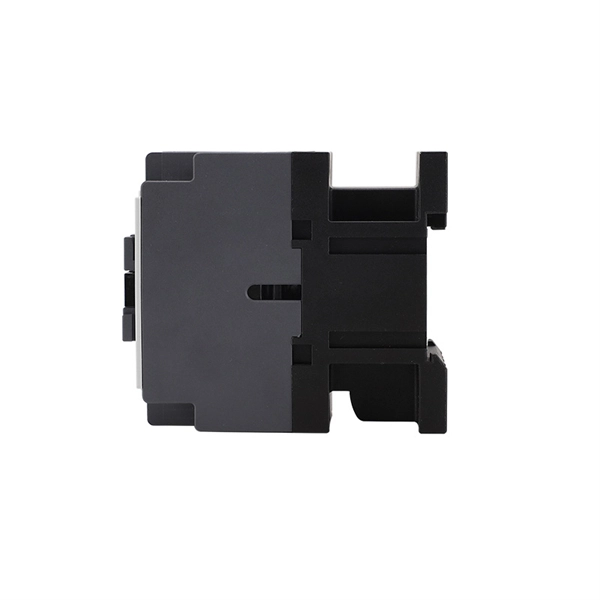
Construction Site Temporary Power Distribution Box Interface Standards
IRC 2024 Chapter 36, drawing from NEC Article 590, requires that all 120-volt, 15-ampere and 20-ampere receptacle outlets on construction sites be GFCI-protected with no exceptions. Temporary power may be supplied by a utility service connection, a generator, or a...
[PDF Version]
-
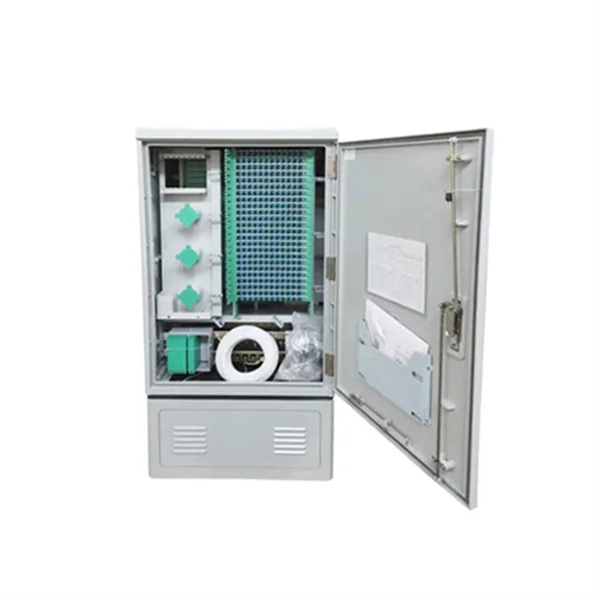
Safety Design Requirements for Distribution Boxes
Compliance with IEC 61439 ensures that the distribution board meets global requirements for construction, protection, and performance. Additionally, standards such as IEC 60947-2 for circuit breakers and IEC 61643-11 for SPDs define testing and installation criteria. You must...
[PDF Version]
-
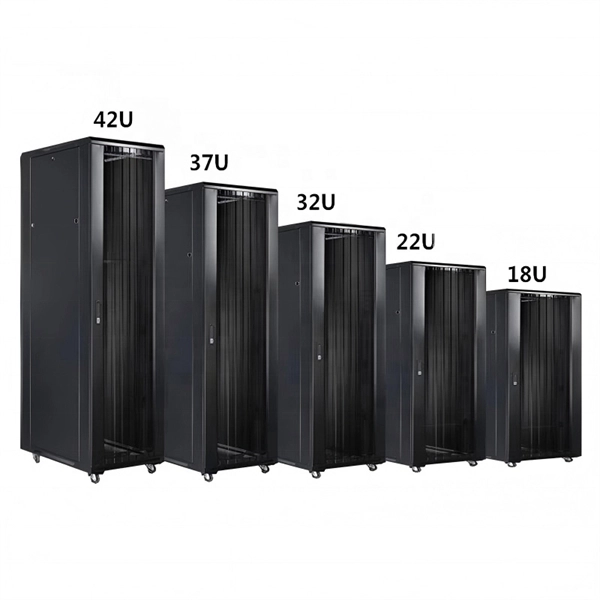
What are the quality standards for optical cable production
This article introduces and explains the scope, application, and practical relevance of the eight most widely used fiber and optical cable standards: ITU-T G. 657, IEC 60793, IEC 60794, TIA-568. We're here to support your fiber network needs. This article provides a...
[PDF Version]
-
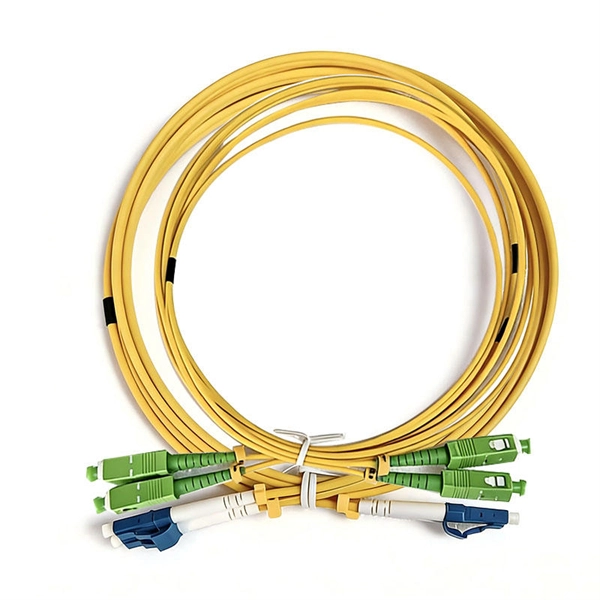
Cable Tray Installation Inspection Standards
The National Electrical Manufacturers Association (NEMA) also publishes three consensus standards that apply to the proper manufacture and installation of cable trays: ANSI/NEMA-VE 1-1998, Metal Cable Tray Systems; NEMA-VE 2-1996, Metal Cable Tray Installation Guidelines...
[PDF Version]
-
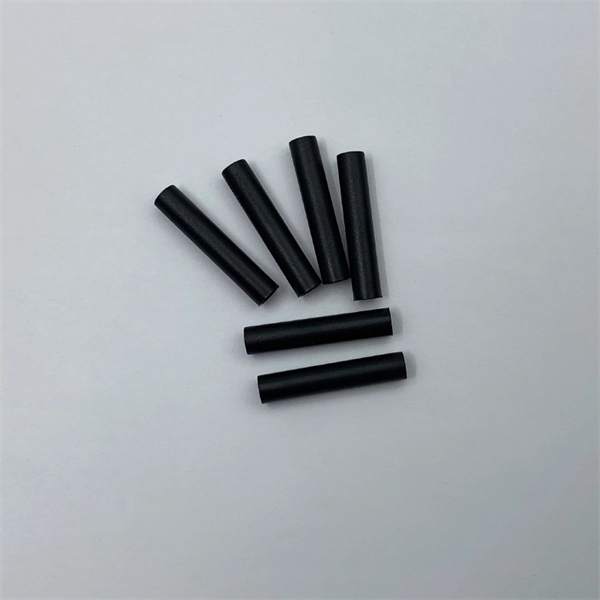
Disadvantages of fiber optic cable bundling devices
While neat bundles can provide an organized appearance, they can also introduce technical challenges such as heat buildup, signal degradation, and interference. However, like any technology, fiber optic cables are not without their drawbacks. One of the most significant...
[PDF Version]