
F1835 Standard Guide For Cable Splicing Installations
Search optical fiber, connectivity, cable management and network infrastructure references.
- F1835
- Standard
- Guide
Articles and technical references
9 on this page-
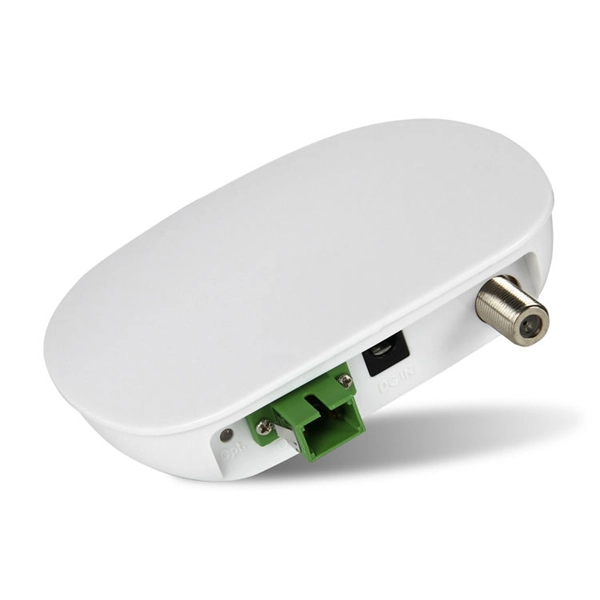
Standard Requirements for Optical Cable Splicing in Power Stations
IEEE SA This standard provides general requirements, directions, and methods for qualifying fiber optic cables, connections, and optical fiber splices for.
[PDF Version]
-
Principle of Optical Cable Fusion Splicing Equipment
A fusion splicer is a specialized tool used in fiber optic networks. Its job is to join two fibers end-to-end by fusing them. Fusion splicing is the most widely used method of splicing as it provides for the lowest loss and least reflectance, as well as providing the...
[PDF Version]
-
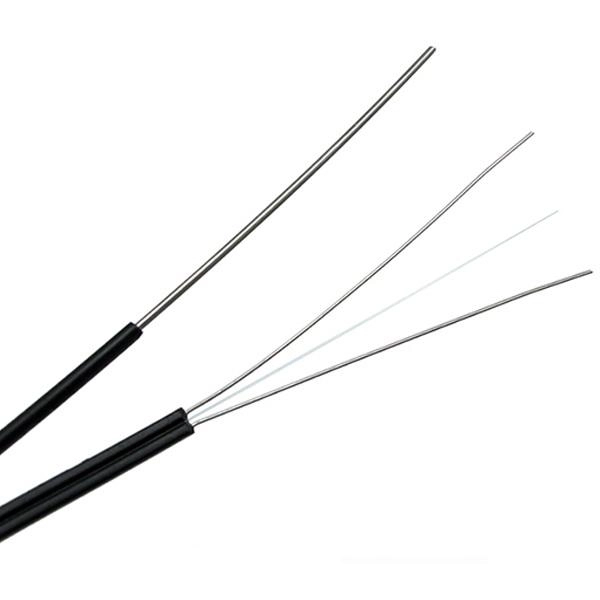
Optical cable splicing direction
Learn how to splice fiber optic cable using fusion splicing with this complete step-by-step guide. Includes tools, best practices, loss standards (ITU-T G. 652), cost analysis, and FAQs for network engineers and installers. Optical fiber splicing represents the permanent or...
[PDF Version]
-
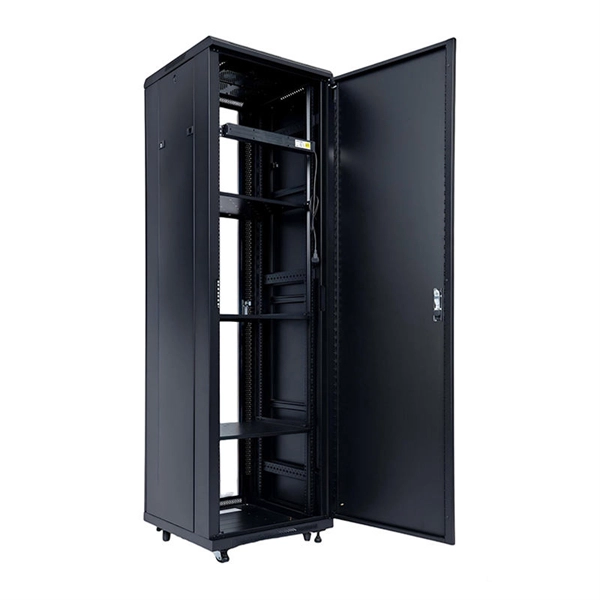
Minimum Cable Tray Standard
IEC 61537 is the internationally recognized benchmark for metal cable tray systems. It applies to cable trays made of steel, stainless steel, aluminum, or other metallic materials. The standard ensures these systems can handle the physical and electrical loads they're exposed...
-
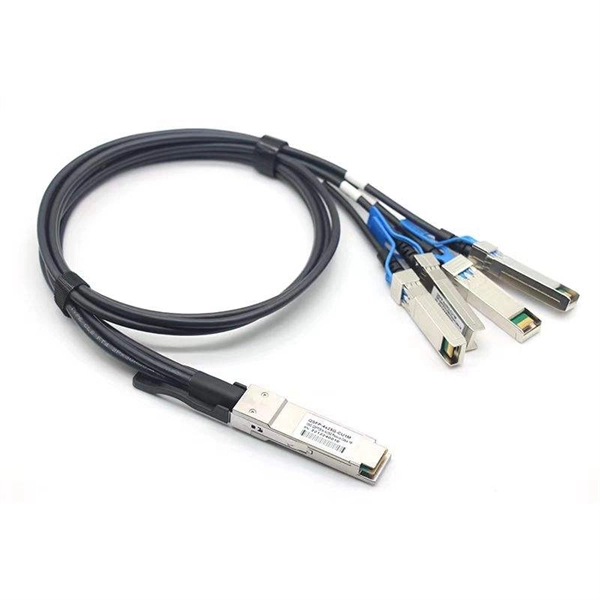
Does cable splicing have anything to do with the casing
After stripping the cable and exposing the copper wire, fold the metal mesh back over the outer casing. They may be used also on other systems for which the application of cable is acceptable, provided the above clearing requirements are met in c. However, many commercial...
[PDF Version]
-
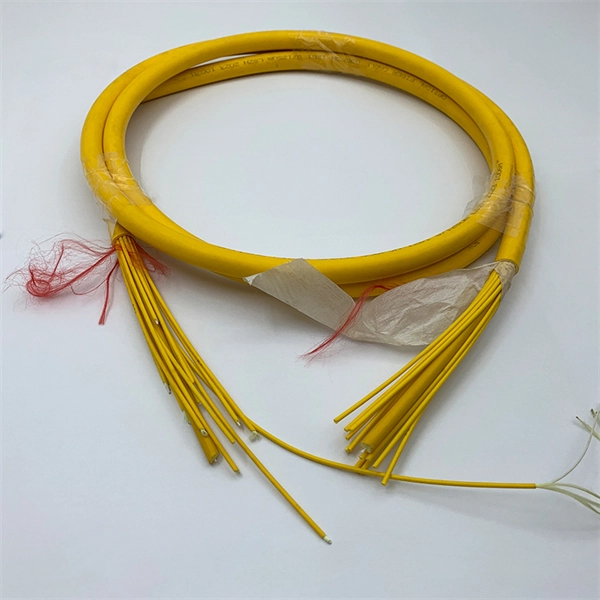
Standard Requirements for the Installation of Optical Cable Tension Towers
The recommended depth should be not less than 50% of the OPGW. OPGW is usually installed on the top of pole of the electric power aerial wire. The following operation caused by temperature, and possible thunder attack, short circuit ere. It deals with the factors that should...
[PDF Version]
-
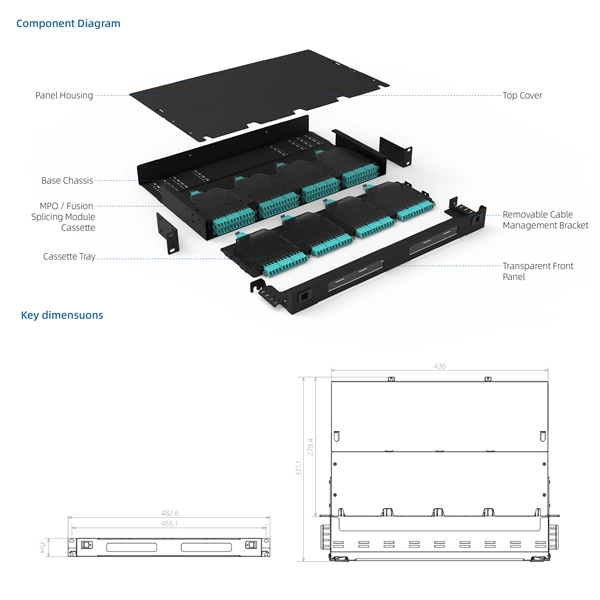
Standard for Galvanized Bolts for Cable Trays
Carbon steel used for cable trays shall be protected against corrosion by the following processes: Hot-dip galvanized zinc after fabrication in accordance with ASTM A123/A123M, Coating Grade 65 with an average zinc coating weight of 460 g/m2 per side or coating thickness of...
[PDF Version]
-
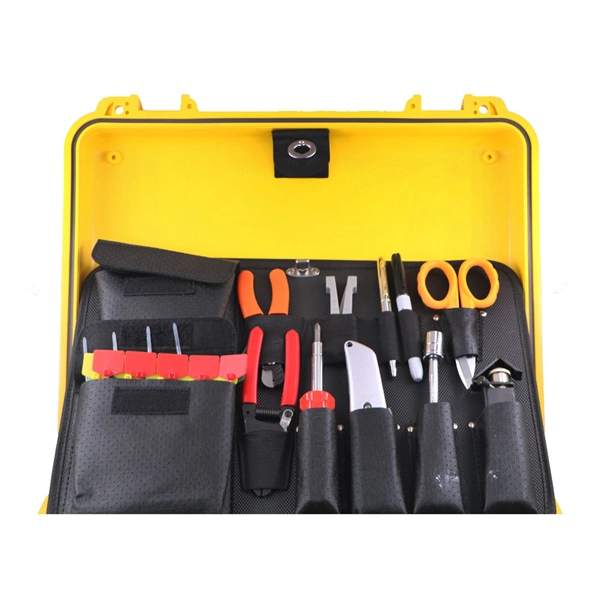
Standard bending radius of cable tray tees
The typical radius is 24 inches. Fittings are also available for 30°, 45°, 60° and 90° angles. It may be necessary to add supports to the tray at these points. These limits should not be used for cables subj olerate a sharper bend than a shielded cable. When bent too sharply...
[PDF Version]
-
Recommended Optical Cable Splicing Machine
The best splicers offer core alignment, fast splice times, durable designs, and smart features like cloud syncing and automated calibration. This business research report provides a comprehensive analysis of the fiber optic splicing machine market, focusing on best-selling...