
Fiber Certification Testing All You Really Need Is Loss Length
Search optical fiber, connectivity, cable management and network infrastructure references.
- Fiber
- Certification
- Testing
Articles and technical references
10 on this page-
Fiber Optic Cable Torsion Testing Equipment
Torsional Testers simulate real-world mechanical stress by rotating a fixed length of cable repeatedly, both clockwise and counterclockwise, under controlled axial tension. Watch our video to see it in action and learn more from our ATPC Engineer. Torontech is a global leader...
[PDF Version]
-
How many nm should be selected for testing single-mode fiber
It has been standard practice for many years to perform single mode fiber tests at 1550 nm (in addition to 1310 nm), to help find identify cabling stress points. Typically, a kinked cable may pass at 1310 nm, but fail at 1550 nm or beyond. 1625 nm: Often used for in-service...
[PDF Version]
-
Fiber Optic Transmission Testing Qualification
Fiber certification testing represents the gold standard in network validation. It is particularly useful when checking older fiber before upgrading to faster speeds, setting up temporary networks for events or short-term projects, or troubleshooting quick go/no-go. FOA...
[PDF Version]
-
What is FTK for optical fiber testing
The FTK 1450 is the comprehensive fiber verification kit package from Fluke Corporation. This device offers many features to perform testing, inspection, and troubleshooting of multimode fibers. SimpliFiber® Pro Optical Power Meter and Fiber Test Kits include all the tools...
[PDF Version]
-
Fiber Optic Single-Mode and Multi-Mode Testing
If you're working with single-mode and multimode fibres, testing them with an Optical Time Domain Reflectometer (OTDR) is essential for ensuring your network is up to standard. Testing both types is possible, though there are some significant differences and considerations...
[PDF Version]
-
Fault Testing and Regulations for Optical Fiber Cables
Follow the latest IEC, TIA, and FOA fiber testing standards in 2025 to ensure your network stays reliable and meets legal and insurance requirements. Use proper testing methods like one-cord referencing, visual inspections, and calibrated equipment to get accurate and...
[PDF Version]
-
What is the principle behind the fiber optic patch cord testing method
The principle reason for testing fiber optic cable is to verify continuity and look for attenuation. This article dives into advanced testing methodologies — polarity testing, IL/RL measurement (via OLTS, OTDR, OFDR), 3D endface metrology, and endface inspection — and details...
-
Can a single-mode fiber optic converter really convert fiber optic cables
Short answer: Usually yes, you use them in pairs, but the “pair” can be a media converter on one end and a fiber switch (or SFP in a switch) on the other, as long as both sides speak the same speed, wavelength, and optical mode. But what happens when you need to connect an...
[PDF Version]
-
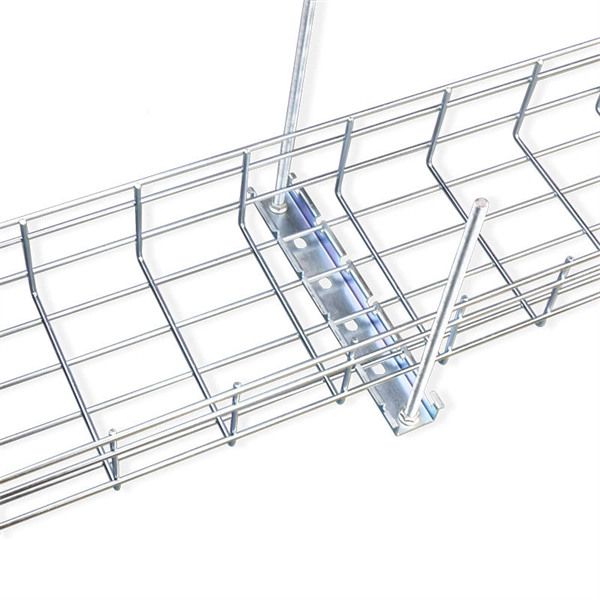
National Standard for Optical Cable and Optical Fiber Testing
Follow the latest IEC, TIA, and FOA fiber testing standards in 2025 to ensure your network stays reliable and meets legal and insurance requirements. They define a minimum baseline of quality and workmanshi for installing electrical products and systems. NEIS® are intended to...
-
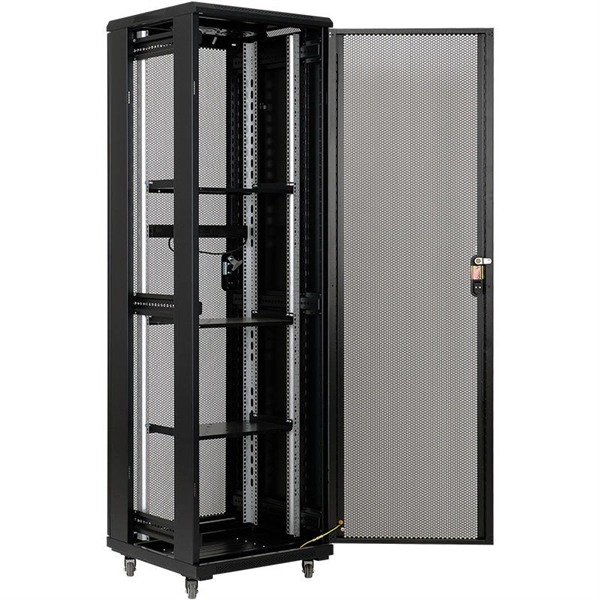
Fiber Optic Cable Continuity Testing Methods
How to Test a Fiber Optic Cable: Best Methods & ToolsAfter fiber optic cables are installed, spliced and terminated, they must be tested. For every fiber o.
[PDF Version]