Skip to content
PROMETHEASOPTICAL Send a project enquiry
Reference library

Fiber optic cable bead distance

Published
  • Fiber
  • Optic
  • Cable
Research context

Reference summary

Fiber optic cable can be run anywhere from 300 meters up to 80 kilometers (roughly 50 miles) depending on the cable type, transceiver used, and network standard. There are three main reasons for this: First, high-bandwidth signals are more susceptible to chromatic dispersion than. Fiber optic cables are the backbone of modern communications, enabling high-speed data transfer over vast distances.

Unlike traditional copper cables, fiber optic cables use light to transmit data, resulting in faster speeds and greater bandwidth capabilities. The greater the distance, the greater. Fiber is Scalable With no Outdoor Changes Fiber •40 KM area covered from one point (central office) •Upgrades in the central office and at the subscriber •Lower Opex through fully passive outdoor infrastructure •Capacity of 600,000 Gb/s per fiber Other Technologies •~0.

Dispersion. Learn verified distance limits for OM1 through OM5 and OS1/OS2 fiber types per IEEE 802. 2-D standards, plus real-world factors that reduce reach.

Fiber selection is one of those decisions that looks simple until you're troubleshooting a link that drops at 100 metres or trying to.

From reference to enquiry

Questions for your project

Use these editorial prompts alongside the linked excerpts. They identify items to confirm for your project.

Technical notes

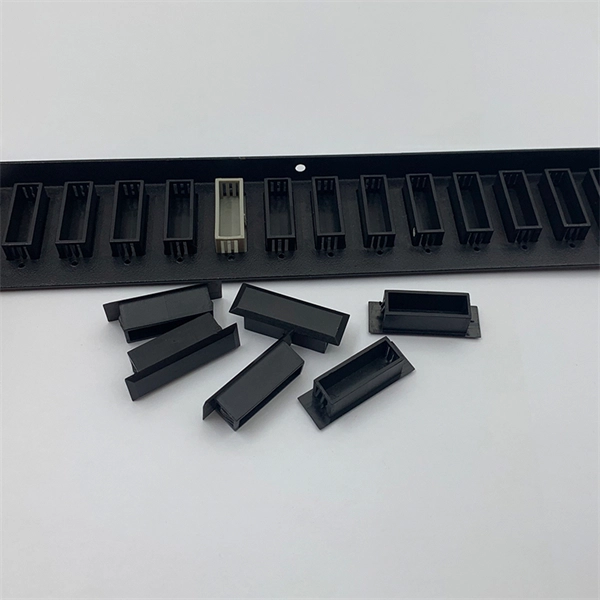
Illustrative equipment image

Fiber Optic Cable Distance: A Comprehensive Guide

Learn all about fiber optic cable distance and the key factors that affect it. Find out how to select the appropriate cables for your network and

Fiber Optic Cable Distance: A Comprehensive Guide

In this guide, we''ll explore how fiber optic cables function, the maximum distances for different types of fiber optics, and tips for optimizing

Related Video Reference

This video was associated with the source search result. Verify technical details against current product documentation and project requirements.

Share your network requirements

Share the fiber interfaces, termination capacity, cable route and evidence required for handover.

Send a project brief