
Technical notes
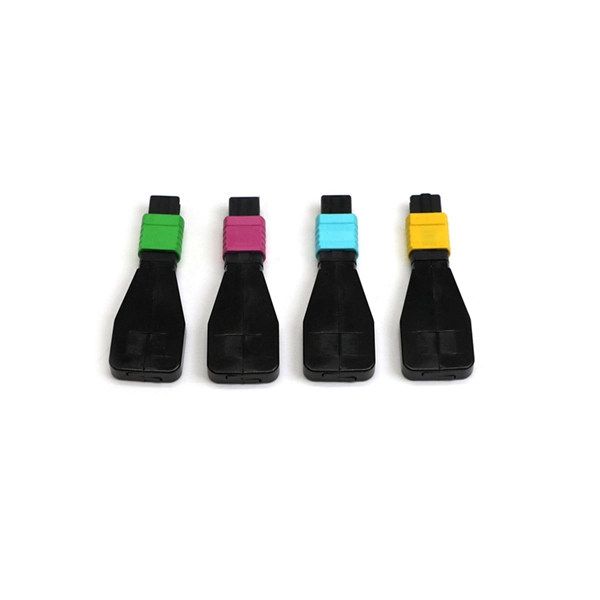
Fibre Optic Cables, Uses, Types, Components and Working
A fibre-optic cable, akin to an electrical cable, contains one or more optical fibres for light transmission. This technology enables high-speed data transmission and is unaffected by external
Fiber Cables – coated, tight buffered, fiber-optic cables, termination
An optical fiber cable (or fiber-optic cable) is a flexible cable which contains one or multiple optical fibers. These cables can range from carrying a single fiber to accommodating dozens or even hundreds,
Fiber Optic Cable Types: A Complete Guide
Fiber optic cables are, like their name suggests, a cable that uses light, rather than electricity to transmit information. They''re made from silica glass
The FOA Reference For Fiber Optics
Another type of aerial fiber optic cable combines electrical distribution cables with optical fibers inside the conductors. There are two types of these cables, OPGW
Fiber Optics and Types
Fiber optics refers to the technology and method of transmitting data as light pulses along a glass or plastic strand or fiber. Fiber optic cables are used for long-distance and high-performance
Fiber-optic communication
Modern fiber-optic communication systems generally include optical transmitters that convert electrical signals into optical signals, optical fiber cables to carry the signal, optical amplifiers, and optical
What Is a Fiber Optic Cable and How Does It Work?
Quality copper cables use shielding to reduce this, but fiber optic cables carry light, not electricity, so electromagnetic noise simply doesn''t affect them. This makes fiber ideal for
The FOA Reference For Fiber Optics
Fiber optic cables come in lots of different types, depending on the number of fibers and how and where it will be installed. It is important to choose cable carefully as
What is Fiber Optic Cable?
A fiber-optic cable, also known as an optical-fiber cable, is an assembly similar to an electrical cable, but containing one or more optical fibers that are used to carry light.
5 Facts About Fiber Optic Cables | Cables & Wiring
Pulses of light will travel through fiber optic cables, and the orientation of these pulses will define the data. #4) Made of Multiple Layers While they may
What Is Fiber Optics? Definition from SearchNetworking
What is fiber optics? Fiber optics, or optical fiber, refers to the technology that transmits information as light pulses along a glass or plastic fiber. A fiber optic cable can contain a varying
Fiber Optic Cable Types | Omnitron Systems Guide
Explore fiber optic cable types, features, and applications. Omnitron Systems explains single-mode, multi-mode, and specialty fiber solutions.
How Fiber Optic Cables Work | BroadbandSearch
How Do Fiber Optic Cables Turn Light Into Internet? The process moves through four stages: data enters the network as electricity, gets converted to light, travels through the fiber, and
A Complete Guide to Fibre Optic Cables | RS
Far less electricity is also used by fibre optic LED lighting compared to standard bulb options, which makes it both environmentally friendly and economical. You can buy fibre optic
Basics of Fiber Optics
Lower loss: Optical fiber has lower attenuation (loss of signal intensity) than copper conductors, allowing longer cable runs and fewer repeaters. No sparks or shorts: Fiber optics do not emit sparks or cause
What Is Optical Fiber Technology, and How Does It Work?
There are many types of fiber optic cables, often that end up in fiber optic cable assemblies to execute their function. Single and Multimode Fiber Fiber optic
Fiber Optic Cable Types & What They Are Used For
Fiber optic cables (also known as optical fiber cable) are network cables that contain many strands of fine glass fibers known as optical fibers,
The Ultimate Guide to Fiber Optic Cable | Mars Electric
A fiber optic cable is a network cable that''s composed of two layers of glass and insulated by an outer casing called the jacket. Designed for high-performance data network
Related Video Reference
This video was associated with the source search result. Verify technical details against current product documentation and project requirements.