
Technical notes
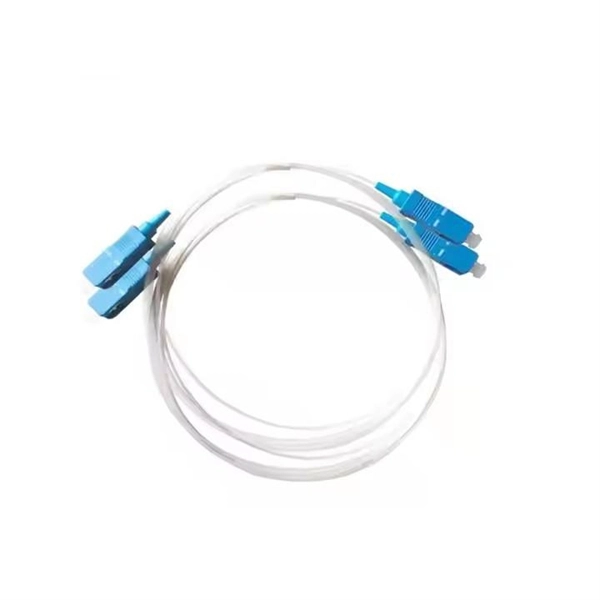
Fiber Optic Splicing Types, Methods, and Applications
Fiber optic splicing is primarily categorized into two methods: fusion splicing and mechanical splicing. Each has its application, cost, and performance factors.
Fiber Optic Cable Splicing Methods: A Practical Guide
The two primary industry-accepted methods for fiber optic cable splicing are fusion splicing and mechanical splicing. The choice between them depends on performance requirements,
Understanding Fiber Termination Techniques: Splicing vs. Connectors
There are two primary techniques for terminating fiber optic cables: Splicing: Joining two fiber optic cables permanently. Connectors: Attaching removable connectors for quick and flexible
Optical Fiber Splicing: The Complete Technical Guide to Methods
This guide breaks down the fundamentals of optical fiber splicing, compares fusion and mechanical techniques, explains factors that influence splice loss, and outlines best practices for protection and
The Complete Step-by-Step Guide to Fiber Optic Splicing
As of now, fiber optic splicing can be carried out using one of two methods — fusion splicing and mechanical splicing. Before you move forward with your fiber optic installation, it is vital for you to
An Overview of Splicing Techniques: Pros and Cons of Different
In this blog, we''ll explore the main types of fiber optic splicing techniques, their advantages, limitations, and how to decide which method best suits your project.
Fiber Optic Cable Splicing Explained
Splicing in optical fiber is the joining two fiber optic cables together. There are 2 methods of cable splicing, mechanical or fusion.
The FOA Reference For Fiber Optics
Fiber optic joints or terminations - where cables are terminated - are made two ways: 1) connectors that mate two fibers to create a temporary joint and/or connect the fiber to a piece of network gear (left) or
The Ultimate Guide to Splicing of Fiber: Techniques and Tips
Fiber optic splicing, crucial for maintaining seamless connectivity in modern communication networks, primarily uses two methods: fusion splicing and mechanical splicing.
The FOA Reference For Fiber Optics
Fiber optic joints or terminations are made two ways: 1) splices which create a permanent joint between the two fibers or 2) connectors that mate two fibers to create a temporary joint and/or connect the
Different types of Fiber Splicing
Fiber optic splicing is an important method of joining two fiber optic cables together. It is a preferred solution when an available fiber cable is not sufficiently long for the required run.
What are the commonly used optical fiber splicing
Optical fiber splicing is the process of joining two optical fibers together to create a continuous path for light transmission. There are several
Fiber Optic Splicing & Termination | Expert Techniques & Best Practices
Fiber optic splicing and termination are crucial techniques used in the deployment and maintenance of fiber optic networks. These processes ensure that fiber optic cables are properly connected,
Fiber Splicing Methods and Protection with Splice Closures
Fiber optic cable splicing is the process of joining two fibers end-to-end to create a continuous optical path. In PON and FTTx networks (e.g., FTTH, FTTP, FTTM), splicing is essential
Mechanical vs. Fusion Splicing: Which Is Right for You?
Comparing mechanical and fusion splicing for fiber optic cabling: costs, performance, and more. Discover the right splicing technique for your project needs with this informative guide from
Fiber Splicing | Importance, Methods, Advantages, Applications
Fiber splicing is the method of permanently joining two optical fibers end-to-end, ensuring seamless light transmission.
Splicing Fiber Optic Cables | A Beginner''s Guide
Fiber splicing is a vital technique in cable maintenance. Knowing how to splice fiber optic cables is key for data communications with superior performance.
Understanding Fiber Optic Splicing: Techniques and
This article covers two of the basic methods of splicing fiber optic cables– fusion and mechanical – and discusses the tailor-made tools that make
Related Video Reference
This video was associated with the source search result. Verify technical details against current product documentation and project requirements.