
Technical notes
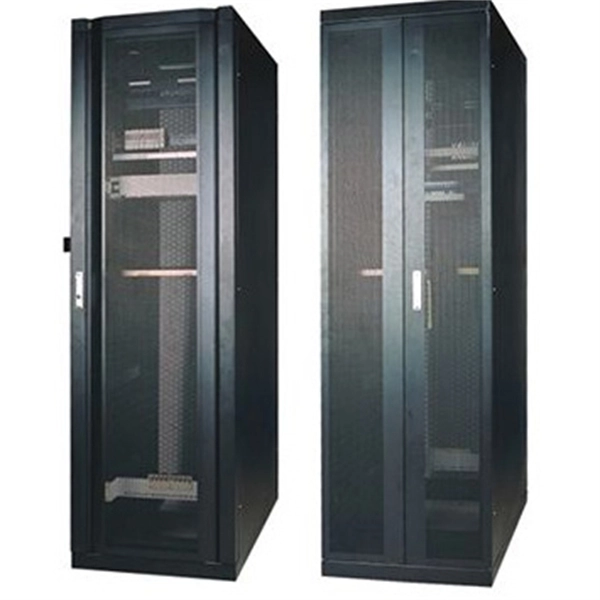
Fiber Optic Cabling: Transform Low Voltage Systems
Explore how fiber optic cabling transforms low voltage systems with superior data efficiency and reliability for modern applications.
Optical Fiber Composite Low Voltage Electric Cable
OPLC Fiber Composite Low-Voltage Cable is a type of composite cable that combines optical fiber light with low-voltage cable, it has the dual function of
Powered Fiber Cable Systems
The powered fiber cabling solution combines high-performance, low-latency fiber-optic data connectivity with a copper low-voltage dc power connection. This enables the connection of any number of
Low Voltage and Fiber Optic Cabling Guide
Complete fiber optic and low voltage cabling guide for contractors. Cable types, installation methods, code requirements, cost estimating, troubleshooting, and sub coordination.
Optical fiber composite insulated power cable for low
Optical fiber composite insulated power cable for low voltages (OPLC) is a new type of photoelectric composite cable for low voltage power lines, and has double
Low Voltage Cabling Guide: Why Cat6A & Fiber Win
Upgrade your low voltage network with confidence. Discover how Cat6A and fiber support Wi-Fi 7, PoE++, CCTV, BMS and IoT, with practical decision rules from ZION COMMUNICATION.
Understanding Low Voltage Cabling: A Comprehensive Guide
Low voltage cabling powers telephone lines, internet connections, and VoIP systems. Twisted pair and fiber optic cables are commonly used for their reliability and speed.
What Voltage Is Considered Low Voltage: A Complete
The working mechanism of low-voltage cabling involves the transmission of electrical currents via insulated copper or fiber optic cables. The
Fiber Optic Cable Types Explained: Choosing the Right Fiber Cable
Explore different types of fiber optic cables, from single mode to armored and LC uniboot options. Learn how to choose the right fiber jumper for your data center, telecom, or FTTA
Review of the usage of fiber optic technologies in electrical power
This article provides an overview of fiber optic technology applications in the broad field of electrical power engineering. Various constructions of power transmission lines integrated with
Optical Fiber Composite Low Voltage Electric Cable (OPLC)
OPLC integrates copper cable of optical transmission and power,can solve broadband access problems, equipment power supply, transmission of emergency signals, etc.
What is Optical Fiber Composite Low-Voltage Cable?
Optical fiber composite low-voltage cable (OPLC) is a cable stranded together with insulated wire and fiber optic unit which have both functions of power transmission and optical communication.
Is Fiber Optic Cable Considered Low Voltage Cabling?
Introduction In modern network infrastructure, Fiber optic cables Sacramento have become the gold standard for high-speed data transmission. But one common question among homeowners,
Limited Energy Cable Fundamentals | Winnie Industries
Limited energy cable—formerly referred to as low voltage cable—is designed for communication, control, and signaling systems that operate at typical system voltages of 50 volts or
Low Voltage & Fiber Optic Systems
Low Voltage & Fiber Optic Systems Today, businesses have an additional option to stay at the forefront of moving data quickly and securely with the implementation of fiber optic cable. Fiber optic cable
A Comprehensive Guide to Low-Voltage Cabling for Beginners
Coaxial Cable Commonly used by service providers, coaxial cables are robust and capable of transmitting data over longer distances. Fiber Optic Fiber optic cables use light to transmit
Low Voltage Cabling 101: What You Need To Know
Low voltage cabling refers to the installation of cables and wiring that carry low voltage electrical signals, usually below 50 volts. It is used for a variety of applications including data
Fiber & Low Voltage Wiring – Triview & Quality Telecomm
Fiber & Low Voltage Wiring In today''s digital-first world, a reliable network infrastructure is no longer a luxury—it''s a necessity. Whether you''re building new or upgrading your existing
Related Video Reference
This video was associated with the source search result. Verify technical details against current product documentation and project requirements.