Skip to content
PROMETHEASOPTICAL Send a project enquiry
Reference library

Fiber optic cable for radio frequency communication

Published
  • Fiber
  • Optic
  • Cable
Source context

AI source overview

Fiber optic cables enable long-distance, low-loss transmission of radio frequency signals by converting RF signals into optical signals and back, offering high bandwidth and immunity to electromagnetic interference. Overview of RF-over-Fiber (RFoF)Radio Frequency over Fiber (RFoF), also known as Radio over Fiber (RoF), is a technology that transmits RF signals via optical fiber by modulating light with the RF waveform. Unlike conventional digital fiber systems, RFoF preserves the original analog characteristics of the RF signal from the transmitter to the receiver, making it ideal for applications requiring high fidelity and low latency, such as wireless networks, radar, and radio astronomy.

System Architecture

A typical RFoF system consists of three main components: Optical Transmitter: Converts the RF signal into an optical signal using a laser diode or external modulator. Optical Fiber: Serves as the transmission medium, usually single-mode fiber (SMF) for long distances due to its low attenuation and high bandwidth. Optical Receiver: Converts the optical signal back into the original RF signal using a photodetector.

RFoF systems can be analog (RF-over-fiber) or digital (D-RFoF). Analog systems maintain the original waveform, while digital systems convert RF signals to digital form before transmission, which can reduce noise but adds latency and processing complexity.

Advantages of Using Fiber for RF Transmission

Low Loss and Long Distance: Optical fibers have much lower attenuation than coaxial cables, allowing RF signals to travel tens to hundreds of kilometers without significant degradation. Typical wavelengths used are 1310 nm and 1550 nm, with losses around 0.25–0.35 dB/km. High Bandwidth: Fiber optics can handle gigabit-per-second speeds, supporting multiple radio bands (4G, 5G, Wi-Fi) simultaneously over a single fiber.

Electromagnetic Immunity: Optical fibers are dielectric and immune to electromagnetic interference, making them suitable for high-power radar, aerospace, and radio astronomy environments. Centralized Architecture: Complex RF processing can be centralized, while remote antennas require minimal electronics, reducing maintenance and power requirements. ApplicationsRFoF is widely used in: Wireless Networks: 4G/5G, Wi-Fi, and public safety networks for distributed antenna systems.

Satellite Communications: L-band RF signals transmitted between central control rooms and satellite antennas over long distances. Radar and Defense Systems: Low-loss, interference-free signal distribution for high-frequency radar and military communications. Broadcasting and Campus Networks: Multi-channel RF distribution across large venues or multiple buildings.

Technical Considerations

Frequency Range: RF-over-fiber typically handles frequencies above 10 GHz, while IF-over-fiber handles intermediate frequencies from hundreds of MHz to several GHz. Wavelength Selection: 1310 nm and 1550 nm are commonly used, with 1550 nm preferred for longer distances due to lower attenuation. Signal Integrity: Fiber optics reduce the need for repeaters and amplifiers, maintaining high-quality RF signals over long distances.

In summary, fiber optic cables provide a highly efficient, low-loss, and interference-resistant medium for RF communication, enabling centralized processing, long-distance transmission, and multi-service capability across modern wireless and satellite networks.

Research context

Reference summary

The Complete Guide To Radio Frequency Over Fiber SystemsRadio over fiber transports RF signals via optical fiber, enabling low-loss distribution for wirele.

From reference to enquiry

Questions for your project

Use these editorial prompts alongside the linked excerpts. They identify items to confirm for your project.

Technical notes

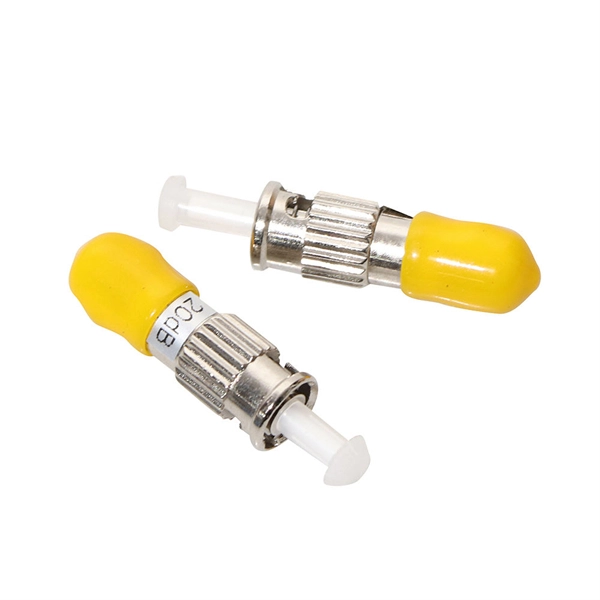
Illustrative equipment image

The Complete Guide To Radio Frequency Over Fiber Systems

Radio over fiber transports RF signals via optical fiber, enabling low-loss distribution for wireless networks, radar systems, and radio astronomy applications.

RF over Fiber Products & Solutions | Global Foxcom

RF over Fiber (RFoF), also known as Radio Over Fiber, is a technology that uses optical fiber cables to transmit radio frequency (RF) signals over long distances.

Radio and Microwave Over Fiber

By transmitting RF signals over optical fiber, RFoF systems enable long-distance, interference-free signal delivery across a wide range of applications—from satellite ground stations

Radio over fiber

Radio over fiber (RoF) or RF over fiber (RFoF) refers to a technology whereby light is modulated by a radio frequency signal and transmitted over an optical fiber link.

RF over Fiber Systems

This innovative technology allows for the efficient transport of RF signals over fiber optic cables, ensuring high-quality signal integrity and minimal loss across long

Fiber Optical Transmitter/Receiver 0.5MHz to 6GHz

To form an RF link, a matched pair of transmitter and receiver (same wavelength) is required. For bidirectional communication over a single fiber, two such pairs are

Fiber-optic communication

Two main types of optical fiber used in optical communications include multi-mode optical fibers and single-mode optical fibers. A multi-mode optical fiber has a larger core (≥ 50 micrometers), allowing

RF over Fiber (RoF) Basics

Due to this, fiber optic cables are used for the transmission and reception of radio frequency (RF) signals. Fiber optic cables neither couple nor leak the signal and are therefore ideal under noisy RF

Radio-over-Fiber Technologies for Emerging Wireless Systems

Abstract— Radio-over-fiber transmission has been studied extensively as a means to realizing a fiber optic wireless distribution network that enables seamless integration of the optical and wireless

Understanding spectrum: Radio frequency, optical fiber

Radio Frequency and Optical Fiber Radio frequency (RF) refers to the part of the electromagnetic spectrum where electromagnetic waves can be

Fiber Optics for Radio Frequency Transmissions | DigiKey

A brief discussion of Radio Frequency over Fiber (RFoF), a technology that merges the advantages of optical fiber with the versatility of RF communication.

What is Radio over Fiber (RoF): 5 Advantages and Disadvantages

Radio over Fiber (RoF) is a communication technology that transports radio frequency signals over optical fiber to extend wireless network coverage and capacity. Its advantages include low

What is RF over Fiber (RFoF)?

Driving Value with Radio Frequency Over Fiber (RFoF) Wireless technology and fiber optic communications have revolutionized everyday life. In her article, Radio Meets Fiber Optics: RF

What is RF Over Fiber?

Fiber-Optic Cable / Transmission Medium - The modulated optical signal is transmitted through a fiber-optic cable. Single-mode fiber is commonly used for long-distance and high-frequency

RFoF Basics

Radio Frequency over Fiber (RFoF) technology is a method of transmitting radio frequency signals over optical fiber cables. This approach combines the high bandwidth and low loss characteristics of fiber

A REVIEW ON RADIO OVER FIBER SYSTEMS FOR LONG DISTANCE COMMUNICATION

Hybrid optical sources are used to achieve optimal performance and enhancement for an optical fiber communication network. The proposed modulation techniques work at a frequency of

RF Cables Guide: Types, Uses, Benefits and

RF cables, or Radio Frequency cables, are crucial to reliably and efficiently send signals in many devices from telecom to medical gear. This guide

Why is RF over Fiber used in Satellite Communications?

RF over Fiber (RFoF) is a technology that allows radio frequency (RF) signals to be transmitted through optical fibre cables. In order to provide an effective and dependable technique for

Related Video Reference

This video was associated with the source search result. Verify technical details against current product documentation and project requirements.

Share your network requirements

Share the fiber interfaces, termination capacity, cable route and evidence required for handover.

Send a project brief