
Technical notes
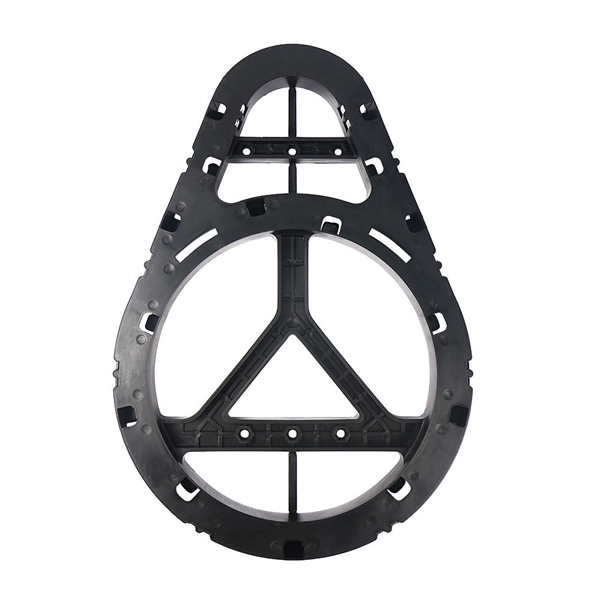
AEN052 Cable Trays and Optical Cables
According to the 2023 National Electric Code® (NEC), any listed optical fiber cable is acceptable for a tray application. Cable trays are frequently used for both power and communications cables in
FOA Standard For Installing Fiber Optic Cable Plants
Although most fiber optic cables are not conductive, any metallic hardware used in fiber optic cabling systems (such as splice closures, pedestals, messenger wire, wall-mounted termination boxes,
Standard for Installing and Testing Fiber Optics
Although most fiber optic cables are not conductive, any metallic hardware used in fiber optic cabling systems (such as wall-mounted termination boxes, racks, and patch panels) must be grounded.
Tray-Rated Fiber Cables for Industrial Applications
Fiber optic cable that simply refers to itself as “tray-rated” may only be referring to the NFPA''s guidance that “Fiber cables shall be permitted to be installed in cable trays.”
The FOA Reference For Fiber Optics
A quick search of “fiber optic cabling standards” on the Web will give you numerous links to companies and technical websites like the FOA Guide that offer summaries of these standards.
Data Center Cable Tray Design Guide | PDF | Optical Fiber
This document outlines best practices and engineering standards for designing and implementing structured cable and fiber tray systems in modern data centers. It covers design guidelines,
Enterprise Fiber Optic Structured Cabling Design & Standards Guide
A comprehensive guide to enterprise fiber optic structured cabling system design and installation standards, covering TIA/EIA-568, fiber cabling subsystems
FIBER OPTIC TRAY CABLES
ONS YOU CAN COUNT ON.TM When it comes to fiber-only cables that are to be installed in cable trays, there is a big gap in the standards and clarity on what these constructions look like and how
ANSI/TIA-568.3-E: Optical Fiber Cabling and Components Standard
Scope: This Standard specifies performance, transmission, and test and measurement requirements for premises optical fiber cable, connectors, connecting hardware, and patch cords. Transition methods
Cable Fill Ratios and Sizing Guide | PDF | Optical Fiber | Electrical
This document provides sizing guidelines for cable containment, power separation, and optical fiber for cabling installations. It includes cable fill ratios for various conduit and cable tray sizes
Fiber Cable Tray System
Installation and maintenance of cable tray wiring systems should be performed by a minimum of two qualified technicians. For the purposes of this guideline, a qualified technician is one who is familiar
Fiber Optic & Cable Standards Guide | FiberMania Standards
Fiber optic networks rely on a foundation of rigorous international standards that define performance, reliability, and compatibility. Whether designing backbone infrastructure, FTTH
Learn How to Master Fiber-Optic Cabling Installations
Our guide to fiber optic cabling installation will help you boost your SEO and the quality of the projects. Master important standards, bend radius
Fiber Cable Trays
Our Fiber Cable Tray System designed to route and protect fiber optic and high-performance copper cabling to or from network cabinets, distribution frames or other devices. It includes channels,
FIBER OPTIC TRAY CABLES
WHAT IS A FIBER OPTIC TRAY CABLE (FOTC)? The term “tray cables” has gained significant market share recently, but a wide range of cables can be installed in a cable tray. There are many standards
Cabling a Data Center to TIA-942 Standard
Plenum rated cable is typical – consult AHJ Cabling Pathways – Overhead Cable Trays Trays may be installed in multiple layers Trays shall have a maximum
Standards Frequently Asked Questions | BICSI
In situations where optical fiber or balanced twisted-pair telecommunications cabling (cable or connecting hardware) has been exposed to liquids or otherwise coated with or exposed to direct
SPECIFICATION STANDARD OPTICAL FIBER BACKBONE CABLING
Indicate location of all outlets, distribution cable trays, junction boxes, FDU with configuration, optical fiber cable equipment rack layout with cable designators and counts and all additions and deletions
Related Video Reference
This video was associated with the source search result. Verify technical details against current product documentation and project requirements.