Skip to content
PROMETHEASOPTICAL Send a project enquiry
Reference library

Fiber Optic Networking Technology

Published
  • Fiber
  • Optic
  • Networking
Source context

AI source overview

Fiber optic networking transmits data as light pulses through glass or plastic fibers, offering high-speed, long-distance, and interference-free communication.

Overview of Fiber Optic Networking

Fiber optic networking uses optical fibers to transmit information via light pulses, typically infrared or visible light, instead of electrical signals. This allows for higher bandwidth, longer transmission distances, and immunity to electromagnetic interference compared to traditional copper cables. Fiber networks are widely used in telecommunications, internet services, cable television, and enterprise networks, as well as in medical, military, and industrial applications.

Components of a Fiber NetworkA typical fiber optic network includes: Optical Fiber Cable: Ultra-thin strands of glass or plastic that carry light signals. The core transmits light, while the cladding reflects it to maintain signal integrity. Optical Network Terminal (ONT): Converts light signals into electrical signals for devices like computers and routers.

Fiber Switches and Media Converters: Allow integration with Ethernet networks, extending distances and providing electrical isolation to prevent surges. Routers and Gateways: Distribute data from the ONT to devices via Ethernet or Wi-Fi, often supporting gigabit or multi-gigabit speeds. Types of FiberSingle-mode fiber: Supports one light path, ideal for long-distance, high-speed communication with minimal signal loss.

Multi-mode fiber: Supports multiple light paths, suitable for shorter distances and local area networks.

Advantages

High Speed and Capacity: Supports gigabit-level performance and scales easily for future bandwidth needs. Low Latency and Reliability: Light-based transmission reduces interference and signal degradation. Electrical Isolation: Prevents damage from lightning or power surges, especially when connecting buildings or outdoor devices.

Future-

Proof: Fiber infrastructure can be upgraded electronically without replacing cables, making it a long-term investment.

Installation Process

Fiber installation typically involves: Checking availability and preparing the connection from the neighborhood fiber network. Running a fiber drop from a terminal (pole or underground box) to the home or office. Installing a Network Interface Device (NID) outside the building to manage the fiber entry.

Connecting the fiber to an ONT, which converts light signals to electrical signals.

Linking the ON

T to a router or gateway via Ethernet for device connectivity. Testing and activating the network to ensure full speed and signal quality.

Applications

Fiber networks are used for: High-speed internet and broadband services. Enterprise networking for offices and data centers. Telecommunications including voice, video, and telemetry.

Outdoor and inter-building connections where electrical isolation is critical. Fiber optic networking is essential for modern communication, offering fast, reliable, and scalable connectivity for both residential and commercial environments. Its advantages over copper networks make it the preferred choice for high-performance and future-ready networking solutions.

Research context

Reference summary

Latest Fiber Optic Technology 2025 for Faster NetworksStay ahead with the latest fiber optic technology in 2025. Learn innovations driving speed, efficienc.

From reference to enquiry

Questions for your project

Use these editorial prompts alongside the linked excerpts. They identify items to confirm for your project.

Technical notes

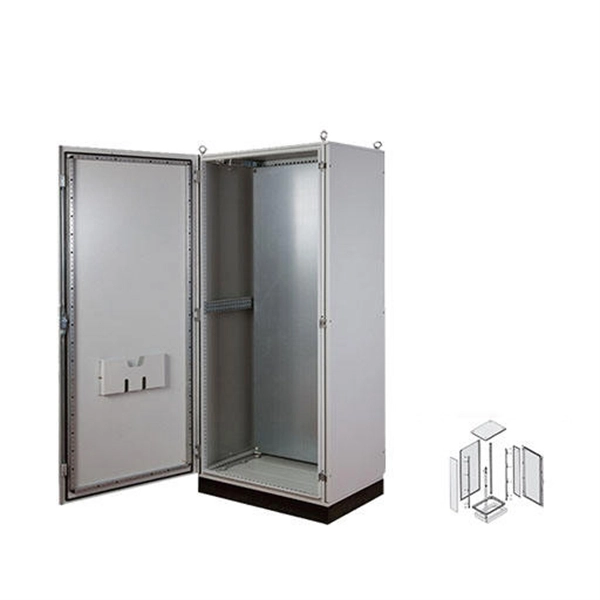
Illustrative equipment image

Latest Fiber Optic Technology 2025 for Faster Networks

Stay ahead with the latest fiber optic technology in 2025. Learn innovations driving speed, efficiency, and smarter network solutions.

Fiber Optic Networks

Fiber optic networks are defined as high-capacity communication systems that utilize fiber optics to transmit data over long distances, supporting data rates such as 40-Gbps and 100-Gbps through

What Is Fiber Optics? Definition from SearchNetworking

What is fiber optics? Fiber optics, or optical fiber, refers to the technology that transmits information as light pulses along a glass or plastic fiber. A fiber optic cable can contain a varying

What Is Optical Networking? Complete Explanation

Optical networking is a technology that uses light signals to transmit data through fiber-optic cables. It encompasses a system of components,

What is a Fiber Optic Network? A Comprehensive

Fiber optic technology is the foundation that underpins the digital interactions we have every day. In a digital age, fiber optic networks are the

What Is Optical Fiber Technology, and How Does It Work?

Learn More About Optical Fiber technology, Optical Fiber, and Fiber Optics Offered by Leaders in Interconnect Solutions, NAI.

What is Fiber Optics

Definition Fiber optics is the technology used by internet services such as Verizon Fios Home Internet to transmit information as pulses of light through strands of fiber made of glass or plastic over long

Optical Networks explained

Optical networks are based on the use of fiber optic glass strands that can transmit information with practically no limits on distance, or capacity.

Recent Advances in Optical Networking Technology: A

Since several decades ago, optical networking technology has been developing quickly. Fiber optics is becoming a key component of the

An Overview of Fiber Optic Technology | Versitron

Fiber optic technology was designed to match the transmission speed of light. The fiber optic data transmission in a media-less or vacuum transmission environment matches the speed of light.

A Clear Guide to Understanding Fibre Optics: Everything You Need to

In an age where fast and reliable internet is more essential than ever, understanding the basics of fibre optics has become increasingly important. Fibre optics technology is the backbone of

Advancements in Fiber Optic Technology: Exploring Cutting

Introduction Fiber optic technology has revolutionized Innovations in fiber optic networks advancements, offering numerous benefits and capabilities that surpass traditional copper-based

Fiber Optic Basics | Optical Fiber 101 | Corning

Fiber Optic Basics Optical fiber is a highly-transparent strand of glass that transmits light signals with low attenuation (loss of signal power) over long distances,

What Is Fiber and How Does It Work?

Learn how fiber-optic technology achieves the fastest internet speeds, symmetrical bandwidth, low network latency, and rock-solid reliability.

Fiber Networking | Working, Types, Benefits, Challenges

Fiber networking refers to the use of fiber-optic cables to transmit data using light signals instead of electrical signals. Each cable consists of strands of glass or plastic, thinner than a human hair,

Understanding Fiber Optic Communication System: Working,

Explore how fiber optic communication transmits data as light pulses through optical fibers, ensuring ultra-high speed, reliability, and minimal signal loss.

What Is Fiber Optics? A Guide

Fiber optics is a technology that sends data as pulses of light through strands of glass. This method allows high-speed data transmission over long distances with minimal loss, making it

Share your network requirements

Share the fiber interfaces, termination capacity, cable route and evidence required for handover.

Send a project brief