
Technical notes
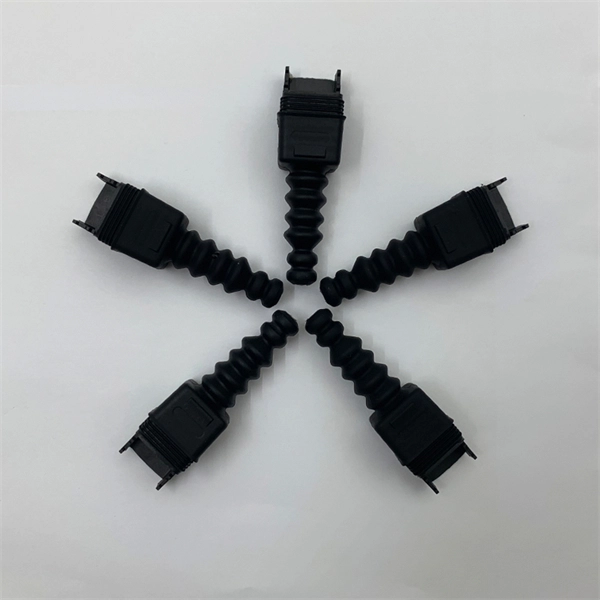
Distributed Fiber Optic Sensing (DFOS)
Distributed Optical Fiber Sensing (DFOS) transforms standard fiber optic cables into powerful sensors capable of detecting temperature, strain, and acoustic signals at thousands of measurement points
Distributed Fiber Optic Sensing | OptaSense
Discover monitoring solutions utilizing distributed fiber optic sensing technology and real-time applications for high-value assets.
Cutting-Edge Fiberoptic Sensing | FiSens GmbH
FiSens develops, manufactures, and markets accurate fiberoptic sensor solutions based on fiber Bragg grating (FBG) sensor arrays and fiber-integrated spectrometers. Our optical fibers offer high sensing
Distributed Fiber Optic Sensing Solutions | AP Sensing
Based on a proven track record our Distributed Fiber Optic Sensing (DFOS) solutions ensure reliable asset protection even in the most challenging
Fiber Optic Sensors | KEYENCE America
There are several types of fiber optic sensors. Detection methods include thrubeam, reflective, retro-reflective, and definite-reflective. Each method is used for
Distributed Fiber Optic Sensing (DFOS) | AP Sensing
Distributed Fiber Optic Sensing (DFOS) systems provide critical asset monitoring by utilizing standard fiber optic cables as sensors. These systems enable precise
Optical Fiber Sensors: High Resolution Fiber Optic
Measured in real-time, Sensuron''s Fiber Optic Sensing technology ensures precise measurement and optimal performance. Our range of Fiber Optic Sensors fit a
OSENSA Innovations | Fiber Optic Temperature
Leading developer of fiber optic temperature sensing and partial discharge monitoring solutions for switchgear, data centers, energy, and life sciences,
Distributed Fiber Optic Sensing and Monitoring
Sintela is Leading distributed fiber optic sensing company offering monitoring solutions for mining, pipelines, railways, and border security to improve safety.
Fiber Optic Sensing
Fiber Optic Sensing is much less expensive and less labor intensive to install and utilize as a data point rich source. The fibers in the cable make up the distributed sensor and this material is inexpensive,
Fiber optic sensors and fiber optics | Baumer USA
Fiber optic sensors and fiber optics - limitless and customized The perfect solution with the fiber optics sensor toolbox Over 350 customized fiber optic solutions
What is a Fiber Optic Sensor?
A fiber optic sensor operates with an optical fiber cable connected to a dedicated light source. These sensors offer great mounting flexibility and can be used is in a variety of environments.
Optical Fibre-Based Sensors—An Assessment of Current Innovations
Optical fibre sensors are an essential subset of optical fibre technology, designed specifically for sensing and measuring several physical parameters. These sensors offer unique advantages over traditional
Optical Fiber Sensors and Sensing Networks: Overview of the Main
Optical fiber sensors present several advantages in relation to other types of sensors. These advantages are essentially related to the optical fiber properties, i.e., small, lightweight,
Fiber Optic Sensors | TRI-TRONICS
Fiber optic sensors are a special type of sensor that uses fiber optic light guides to deliver the light to the sensing position. They work well for applications involving small targets, unfavorable conditions and
Emerging Technologies for Fiber-Optic-Based Sensors in Biomedical
Fiber-optic sensor (FOS) technology, a proximate of optoelectronics and fiber-optic communications, has profound ability to replace the existent biomedical sensors. Subsequent mass
Fiber Sensing
Product PortfolioOur fiber sensing portfolio includes systems that measure strain and temperature using either elastic (Rayleigh) or inelastic (Raman) scattering of
Fiber Optic Sensor Cables for Advanced Monitoring | AP Sensing
AP Sensing''s fiber optic sensor cables enable real-time, precise monitoring of temperature, strain & acoustics in harsh environments with minimal maintenance.
Related Video Reference
This video was associated with the source search result. Verify technical details against current product documentation and project requirements.