
Fiber Optic Standards And Testing Guide For Cables
Search optical fiber, connectivity, cable management and network infrastructure references.
- Fiber
- Optic
- Standards
Articles and technical references
9 on this page-
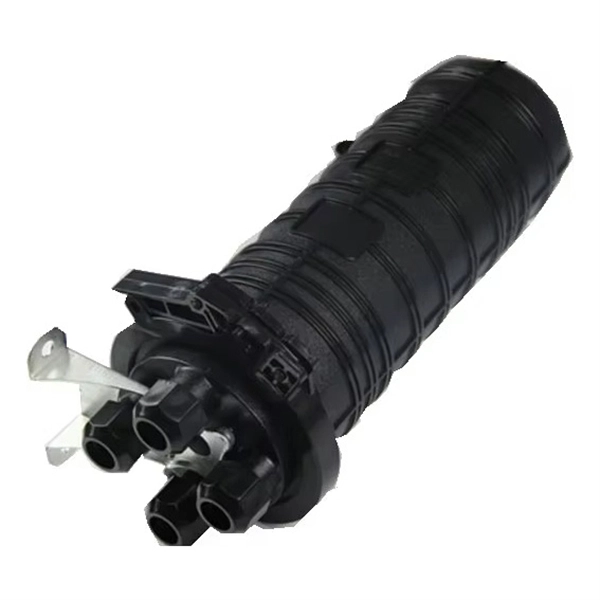
Fiber Optic Cable Torsion Testing Equipment
Torsional Testers simulate real-world mechanical stress by rotating a fixed length of cable repeatedly, both clockwise and counterclockwise, under controlled axial tension. Watch our video to see it in action and learn more from our ATPC Engineer. Torontech is a global leader...
[PDF Version]
-
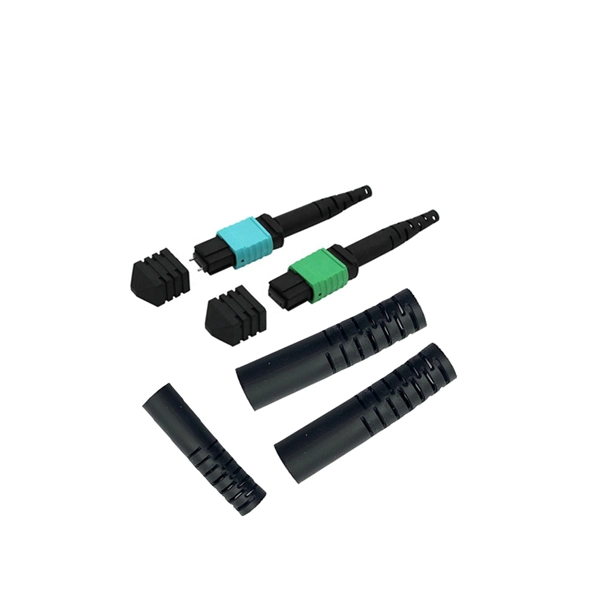
Fiber Optic Channel Technology Standards
Find out the latest updates on TIA Standards, IEEE Standards and Fibre Channel for optical fiber technology, new applications, and best practices. Fibre Channel (FC) is a high-speed data transfer protocol providing in-order, lossless delivery of raw block data. This article...
[PDF Version]
-
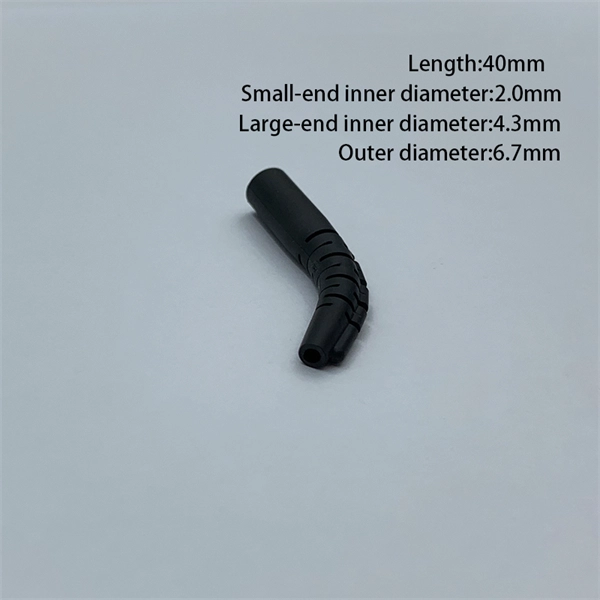
Fiber Optic Transmission Testing Qualification
Fiber certification testing represents the gold standard in network validation. It is particularly useful when checking older fiber before upgrading to faster speeds, setting up temporary networks for events or short-term projects, or troubleshooting quick go/no-go. FOA...
[PDF Version]
-
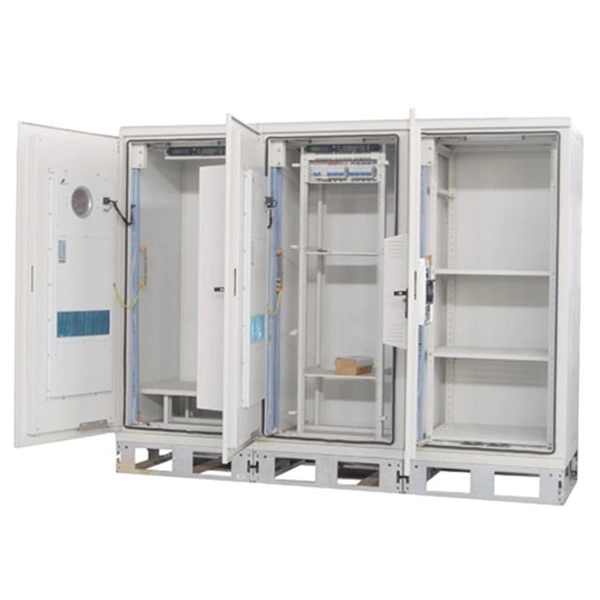
Fiber Optic Single-Mode and Multi-Mode Testing
If you're working with single-mode and multimode fibres, testing them with an Optical Time Domain Reflectometer (OTDR) is essential for ensuring your network is up to standard. Testing both types is possible, though there are some significant differences and considerations...
[PDF Version]
-
Fiber Optic Cable Equipment Guide Roller
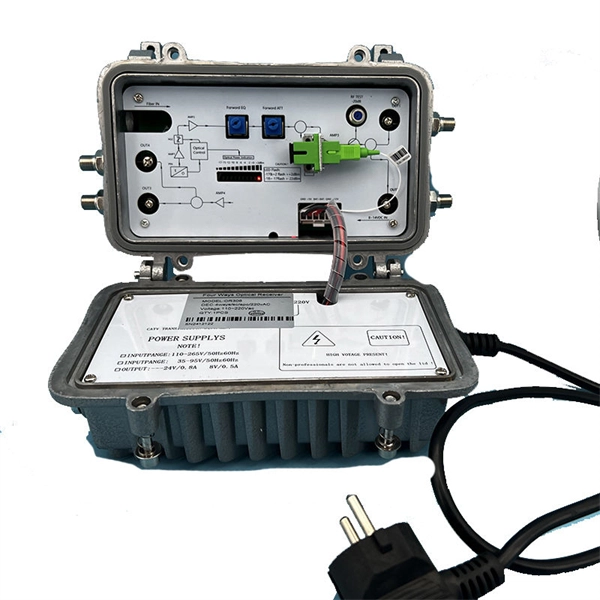
The Cable Guide / Fiber Roller (Wheeled) Diameter: 5 mm is a practical and effective tool used in fiber optic cable installations. This specially designed cable guide ensures proper routing and secure mounting of fiber cables. Installation is simple, often used in static or...
-
What is the principle behind the fiber optic patch cord testing method
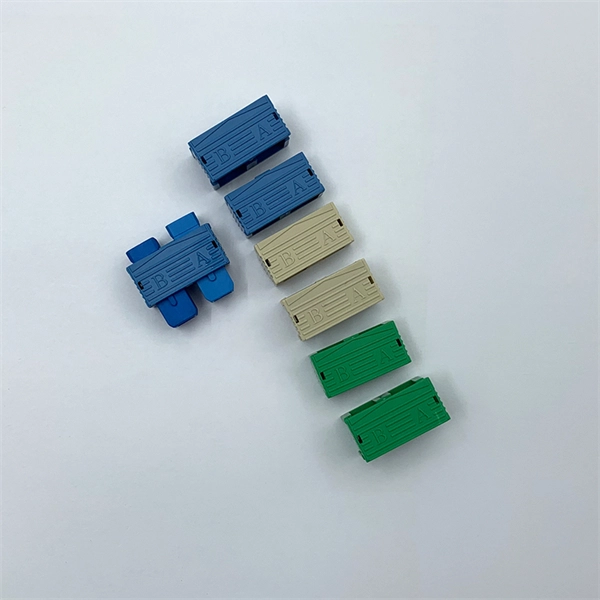
The principle reason for testing fiber optic cable is to verify continuity and look for attenuation. This article dives into advanced testing methodologies — polarity testing, IL/RL measurement (via OLTS, OTDR, OFDR), 3D endface metrology, and endface inspection — and details...
-
Fiber Optic Connector Loss Standards
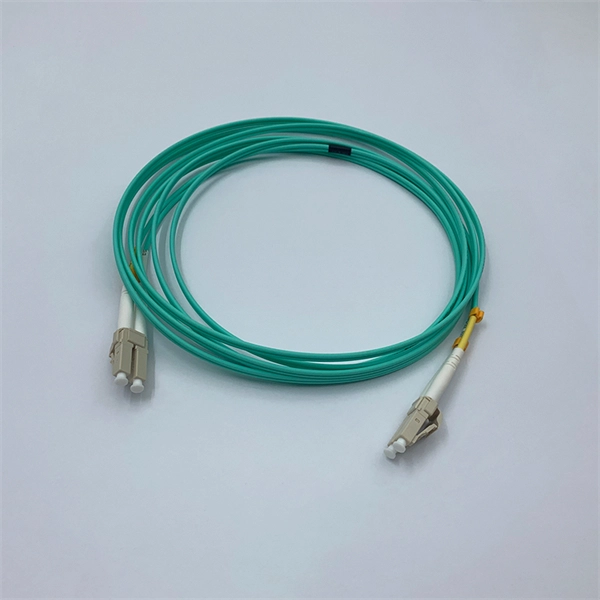
Acceptable dB loss for fiber depends on the component you're measuring: a single mated connector pair should lose no more than 0. 75 dB, a fusion splice should stay under 0. To be able to judge whether a fiber optic cable plant is good, one does a insertion loss test with a...
-
Latest Standards for Fiber Optic Cable Quality Repair
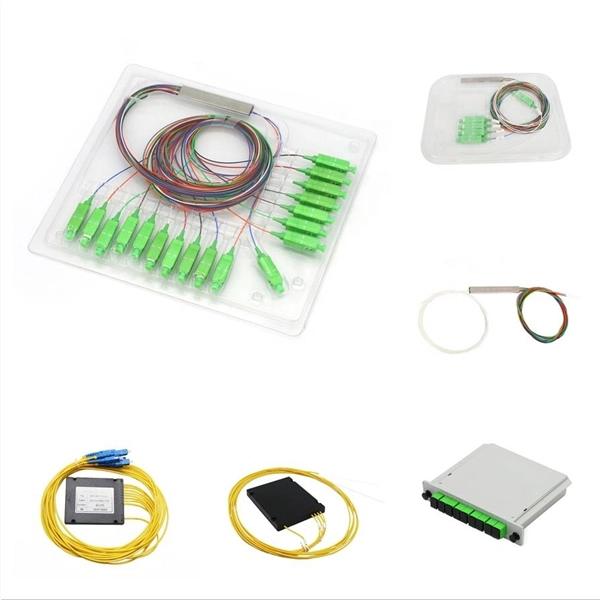
The International Electrotechnical Commission (IEC) and the Telecommunications Industry Association (TIA) create detailed rules for fiber optic components, manufacturing, and testing. These standards focus on things like connector geometry, ferrule cleaning, and insertion...
[PDF Version]
-
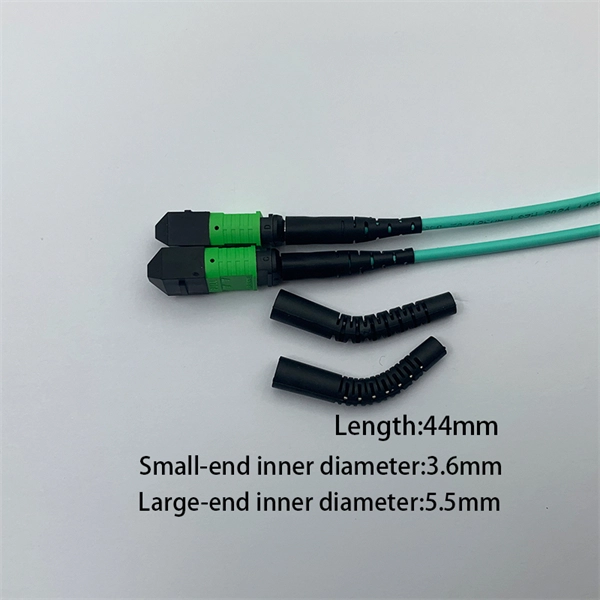
Single-mode fiber optic patch cord selection guide
This complete fiber optic patch cable guide covers connector types, single-mode vs multimode, insertion loss specs, and how to choose the right cable for your data center or enterprise network. Whether you're cabling a new AI training cluster, upgrading a campus backbone, or...
[PDF Version]