
How can one identify a broken fiber optic cable?
To identify a broken fiber optic cable, start by performing a visual inspection for any physical signs of damage, such as bends, cracks, or breaks...
Search optical fiber, connectivity, cable management and network infrastructure references.
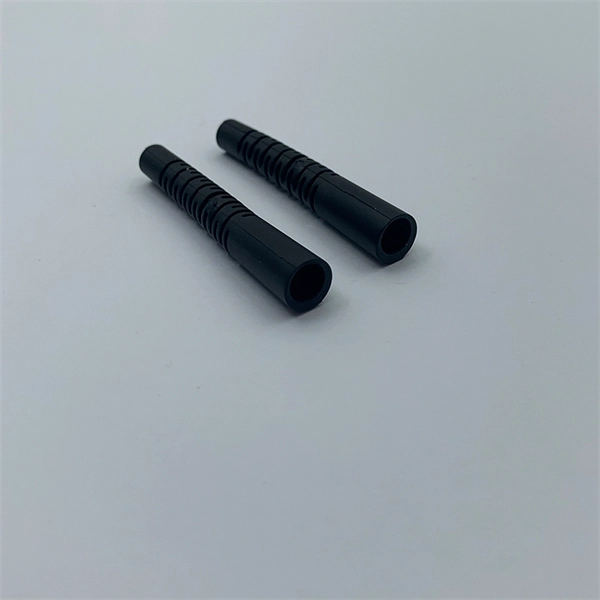
Fusion splicing provides a low-loss, highly reliable connection by melting and fusing fiber ends, making it ideal for long-haul applications, whereas fiber mechanical splicing offers a quick and practical solution for field repairs and temporary connections by using a...
[PDF Version]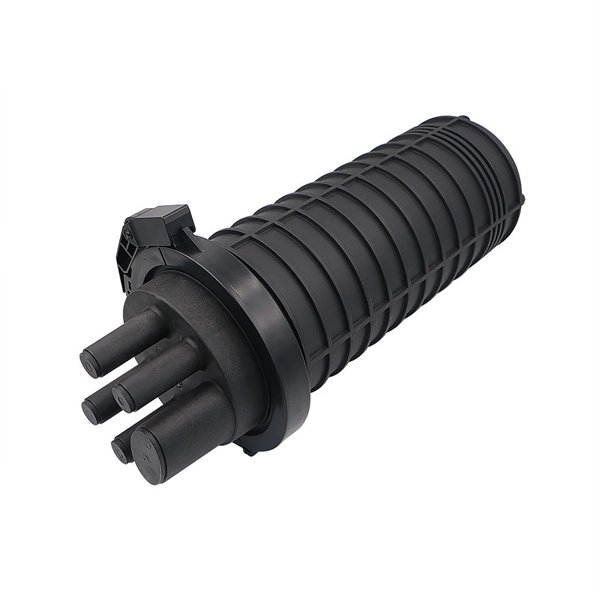
This article compares connector terminations, mechanical splicing, and fusion splicing, explaining when each technique is preferred in 2024 deployments. We'll cover everything from connector end-face geometry to step-by-step procedures for both field termination and. An...
[PDF Version]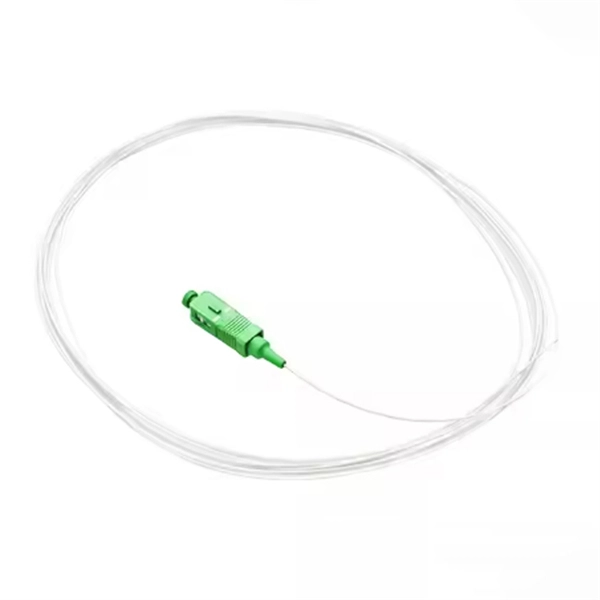
Learn how to splice fiber optic cable using fusion splicing with this complete step-by-step guide. Includes tools, best practices, loss standards (ITU-T G. 652), cost analysis, and FAQs for network engineers and installers. Fiber optic cables are often used in the...
[PDF Version]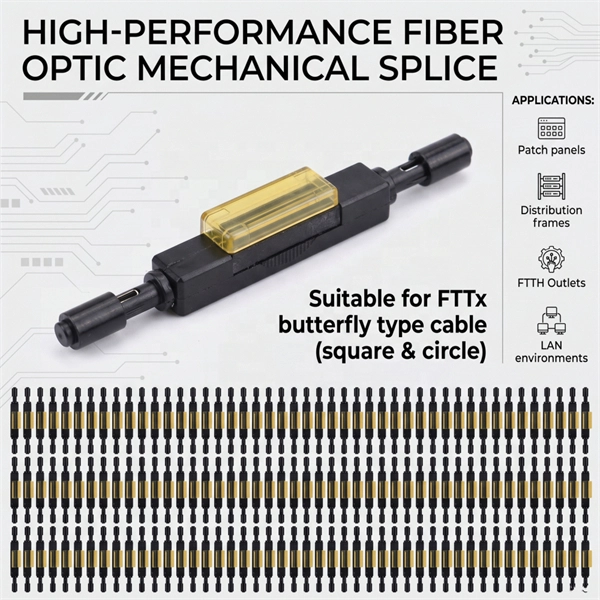
In this guide, you will find a chronological description of the fusion splicing process, the principal technical standards, and answers to the real-life questions network engineers and procurement teams may have. EDP Europe is a distributor of Fujikura fibre optic splicers...
[PDF Version]
The Cable Guide / Fiber Roller (Wheeled) Diameter: 5 mm is a practical and effective tool used in fiber optic cable installations. This specially designed cable guide ensures proper routing and secure mounting of fiber cables. Installation is simple, often used in static or...
Check Fiber Cables : Look for visible damage, sharp bends, or loose connectors. Clean Connectors : Use lint-free wipes and isopropyl alcohol to remove dust or oil. Fiber optic networks are the backbone of modern data centers and communication systems, valued for their high...
[PDF Version]To identify a broken fiber optic cable, start by performing a visual inspection for any physical signs of damage, such as bends, cracks, or breaks...
There are several methods to test fiber optic cables without a tester. One method is using a visual fault locator (VFL), as mentioned earlier, to v...
Intermittent fiber optic connections can be caused by a variety of factors, including: Poorly terminated connectors or splices that result in unsta...
Fiber optic cable lamp technology enables highly realistic indoor star displays when using high-quality PMMA fibers, proper installation methods, and suitable LED controllers for consistent, fade-free nighttime ambiance. Perfect for residential, commercial, and architectural...
[PDF Version]
Learn how to splice fiber optic cable using fusion splicing with this complete step-by-step guide. Includes tools, best practices, loss standards (ITU-T G. 652), cost analysis, and FAQs for network engineers and installers. When done right, splicing ensures minimal loss and...
Learn how to splice fiber optic cable using fusion splicing with this complete step-by-step guide. Includes tools, best practices, loss standards (ITU-T G. 652), cost analysis, and FAQs for network engineers and installers. The Contractor must utilize the correct equipment...
[PDF Version]
Learn how to splice fiber optic cable using fusion splicing with this complete step-by-step guide. 652), cost analysis, and FAQs for network engineers and installers. In this guide, you will find a chronological description of the fusion splicing process, the principal...
[PDF Version]Share the fiber interfaces, termination capacity, cable route and evidence required for handover.