
How can one identify a broken fiber optic cable?
To identify a broken fiber optic cable, start by performing a visual inspection for any physical signs of damage, such as bends, cracks, or breaks...
Search optical fiber, connectivity, cable management and network infrastructure references.
This technique takes a small, lightweight fiber optic cable and wraps it around or lashes it to the power line. The cable is called optical power attached cable (OPAC), and it is lashed to the power cable with a specialized tool that is pulled from the ground, such as a...
[PDF Version]
First step is to make an accurate inspection of the ferrule, using a video microscope. Each type of connector has a different ferrule diameter. Therefore, the correct probe. Once optical fiber systems are installed, ongoing maintenance and regular inspections are essential to...
[PDF Version]
How to Connect Fiber Optic Cable to Router: A Step-by-Step GuideHowever, setting up a fiber optic connection to your router can seem daunting if you're unf.
[PDF Version]
Fiber Data | Lit Buildings | Data Centers | Fiber MapsFiberLocator gives you access to fiber maps and high quality fiber location data from over 1,000 carr.
[PDF Version]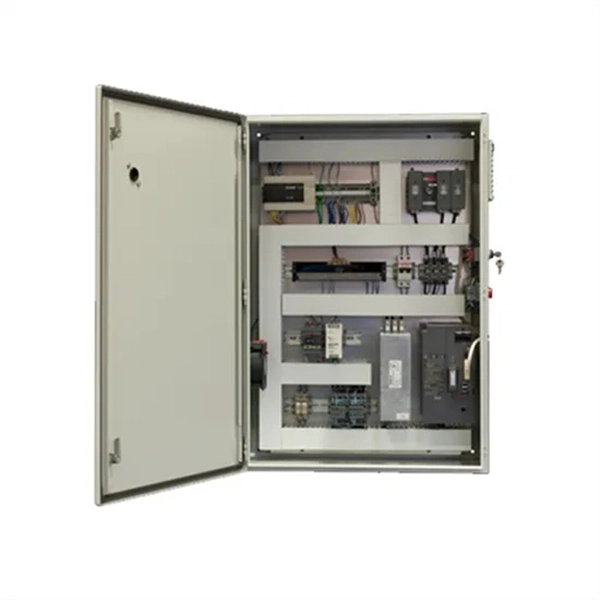
This guide walks through a practical, real-world installation process used in FTTH deployments. It covers not only mounting and splicing, but also how to plan port capacity, manage slack, label correctly, and avoid common installation mistakes. A fiber termination box is the...
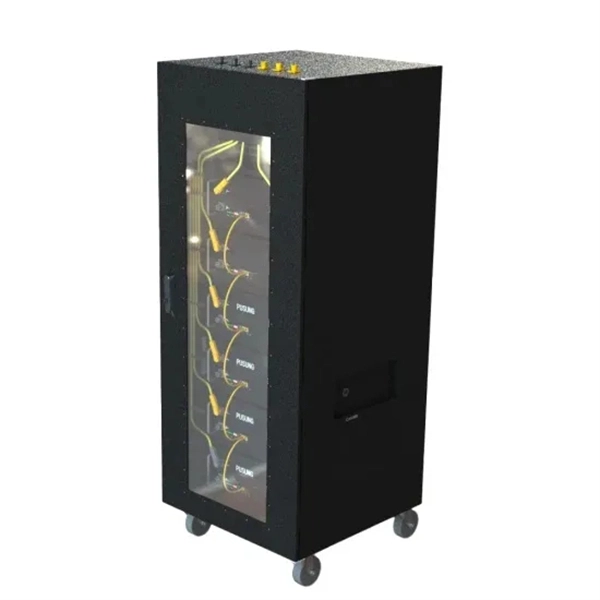
A fiber-optic composite cable is a versatile cable system used for both information transmission and power supply purposes, commonly deployed in urban and rural communication and power distribution networks. Unlike copper wires, which are limited by lower data transmission...
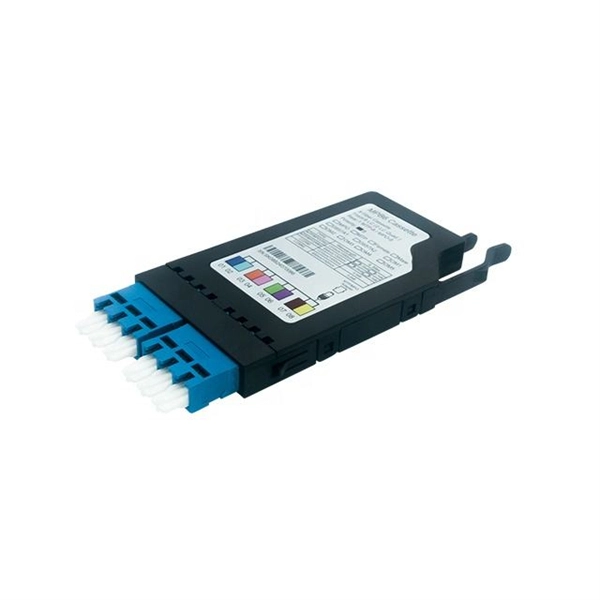
In this guide, we'll walk you through the entire process of preparing fiber optic cable for splicing and termination to fiber connectors. Have a network installation project? Fiber Optic Cables: The primary medium for your connections. Remove the connector boot and riveting...
Visual Fault Locator (VFL) – Injects a red laser (650 nm); light leakage indicates bend, crack, or break. Continuity test – Verify link from patch panel to transceiver with a short reference jumper. Optical Power Meter (OPM): Measures power difference between input and...
[PDF Version]
The three standard methods for testing fiber optic cabling are a visible light source, power meter and light source, and optical time domain reflectometer (OTDR). These fibers are most commonly made of glass and are very thin, typically less than a tenth of the width of a...
[PDF Version]
This guide provides a detailed roadmap for locating and fixing fiber optic cable breaks, covering detection techniques, repair methods, and best practices. Whether you're a network technician, IT professional, or telecom operator, you'll find practical steps, tools, and tips...
[PDF Version]To identify a broken fiber optic cable, start by performing a visual inspection for any physical signs of damage, such as bends, cracks, or breaks...
There are several methods to test fiber optic cables without a tester. One method is using a visual fault locator (VFL), as mentioned earlier, to v...
Intermittent fiber optic connections can be caused by a variety of factors, including: Poorly terminated connectors or splices that result in unsta...
Share the fiber interfaces, termination capacity, cable route and evidence required for handover.