
Technical notes
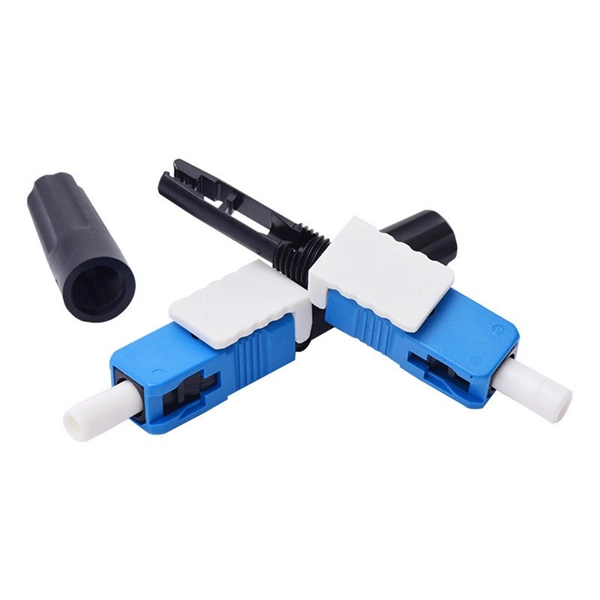
FTTH module comparison 2025: The ultimate guide for
This FTTH module comparison structures the most important module systems according to objective criteria and shows which solution is best suited
FTTH Rising Column Distribution Cables | Groupe Cahors
FTTH Rising Column Distribution Cables Used for FTTH connections in collective facilities. Main characteristics RISER micromodule cables are designed for FTTH system rising column cabling in
FTTx MicroDrop Cable
The AFL Fiber Strand Unit (FSU) MicroDrop cable offers the FTTH designer a vastly superior micro-cable for pedestal to subscriber ONT connections.
FTTH Networks
Designed for use in FTTx access networks where space and speed of installation translate into savings, the single and multifibre Pushlok connectors enable faster connections with audible and tactile
Microduct Connector Guide for FTTH & Blown Fiber Systems
Microduct connector guide covering types, installation, IP68 direct burial, and blown fiber systems for FTTH and 5G networks to ensure efficient fiber deployment.
FTTH Solution
It uses the QuickConnect technology to implement plug-and-play of optical cables without splicing. The uneven optical splitting technology greatly reduces the usage of optical cables, standardizes
High Performance Fiber Optic Cables for the FTTH Access Network
The micro sheath cable is a dry, dielectric construction. For a robust cable which provides a higher tensile performance and rodent protection, the high tensile strength cables are available.
FTTH Architecture Explained: ODN Layers, Components & Testing
Modern FTTH networks increasingly favor distributed or semi-distributed splitting, especially in high-growth environments. This approach aligns naturally with modular and pre
Understanding FTTH Architecture
Uses multiple splitters that are concatenated together along the length of one or more legs. Minimizes amount of distribution, but requires careful planning and migration for growth. Splitters are located at
FTTH Tutorial: Network Architecture, Configuration, and Technologies
Fiber to the Home (FTTH) is a key technology in delivering high-speed internet directly to homes and businesses. This tutorial explores the essential aspects of FTTH, including network architecture,
The FOA Reference For Fiber Optics -Outside Plant Construction
Alternative methods of deploying underground fiber cables includes using storm water drains and sewers, while another is micro-trenching, which involves using a machine cut a narrow slot in the
MicroDucts (Air Pipe) and Duct in FTTx Network
MicroDucts (Air Pipe) and Duct in FTTx Network MicroDucts and Duct are used for FTTx network extensions.The product range is consists of
Understanding FTTH: Key Components
Understanding FTTH: Key Components: OLTs, ONUs, ONTs. Get high-speed internet insights. Need network or GIS planning help? Our experts are ready.
Meet Escalating Broadband Demand with Fiber to the Home
FTTH enables high speed communications over a shared fiber optic cable Intel provides a range of technology solutions for all the key points in the network. Intel offers a range of technology options for
What Is FTTH: A Beginner''s Guide to Fiber to the Home
That''s the kind of experience FTTH internet can offer! In this beginner-friendly guide, we''ll dive deep into what is FTTH, exploring how this method works, what it involves, its benefits, and how
Fiber to the Home (FTTH): A Comprehensive Guide
Fiber to the home (FTTH) is the use of fiber optic cable to directly connect to customer homes or premises, but what is FTTx, FTTP, FTTN, FTTC, and FTTB?
FTTH: What is fiber to the home?
FTTH is one of the most important technologies for today and future''s networks, because not only it increases the access to bandwidth, but reduces equipment and maintenance cost while
FTTH Architecture Explained: ODN Layers,
A practical guide to FTTH architecture. Understand ODN layers, splitters, distribution components, and testing methods—and how modern