
Technical notes
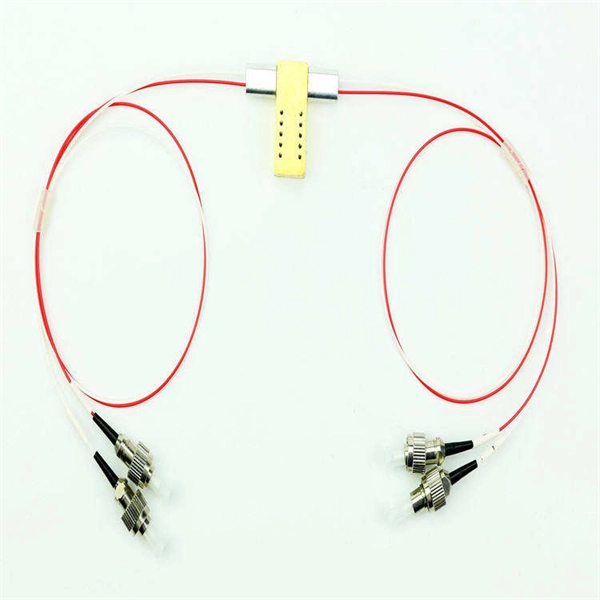
What Are Optical Switches and How Do They Work?
Optical switches operate purely at the physical layer of the network, meaning they are concerned only with the physical path of the light beam. Because the signal remains as light, the
What Are Optical Switches and How Do They Work?
Optical switches redirect light signals without converting them to electricity. Learn how they work, their types, and why they matter for modern networks.
What Is an SFP Module? — Complete Guide to SFP, SFP+ & SFP28
An SFP (Small Form-factor Pluggable) is a compact, hot-pluggable transceiver module that allows networking equipment — including switches, routers, servers, and media converters — to
Optical Modules and Switches: The Golden Partners in
Optical modules and switches, as core network hardware, form a closely interdependent and symbiotic relationship—optical modules are the
Optical Switch
This chapter is a comprehensive review of MEMS-based optical switch architectures, actuating principles and fabrication process. The challenges that MEMS face as an enabling
All-Optical Ethernet Switch Explained: Features and
Featuring modular optical port designs, optical switches allow network managers to mix and match different optic types (multimode/single
The Most Comprehensive Guide Of Optical Modules
Explore the ultimate guide to optical modules. Learn types, functions, performance metrics & how to choose the right module for your fiber network.
Understanding Optical Modules: Working Principles,
Explore the working principles, structures, and performance metrics of optical modules, essential components of optical fiber communication
Optical Switches | How it works, Application & Advantages
Optical switches, a key component in modern network infrastructure, are devices used in optical fiber networks for signal management. Unlike
Optical Switches Principles Classifications and Applications-
As silicon photonics, quantum technologies, and AI redefine the boundaries of photonics, next-generation optical switches will underpin the infrastructure of global communication, sensing,
The Application and Key Role of Optical Switch in
Advantages and Future Prospects The application of optical switches in optical communication networks brings about several advantages. These include
What Is an SFP Module? Complete Guide
SFP modules, or Small Form-factor Pluggable modules, are essentially the workhorses of modern networking. They facilitate data
The Key External Components of Optical Modules
An optical module serves as the backbone of modern fiber-optic communication. Its appearance often resembles a compact rectangular device,
WORLD WIDE WEB JOURNAL Home
will open to start the export process. The process may take but once it finishes a file will be downloadable from your browser. You may continue to browse the DL while the export process is in
Optical Modules: Powering High-Speed Fiber Networks
1. Introduction to Optical Modules Optical modules (also known as fiber optic transceivers) are essential components in modern communication networks, enabling high-speed
What is the role of an optical switch, and how does it
Optical switch is a device that plays a vital role in optical communication systems, particularly in modern fiber optic networks, providing efficient and flexible data
Optical Switches Principles Classifications and Applications-
Optical Cross-Connects (OXC): Dynamically reroute wavelengths in backbone networks Reconfigurable Optical Add-Drop Multiplexers (ROADM): MEMS switches enable bandwidth-on
Understanding Optical Switches: Characteristics and Applications
Understanding Optical Switches: Characteristics and Applications In the rapidly evolving landscape of telecommunications and data networking, the optical switch has become a cornerstone
Related Video Reference
This video was associated with the source search result. Verify technical details against current product documentation and project requirements.