Skip to content
PROMETHEASOPTICAL Send a project enquiry
Reference library

High-voltage switch busbar connection

Published
  • High-Voltage
  • Switch
  • Busbar
Source context

AI source overview

High-voltage busbar connections provide safe, reliable, and efficient power distribution by linking HV components with insulated, mechanically supported conductors.

Function and Importance

Busbars in HV switchgear serve as the main conductive pathways, distributing power from transformers or incoming feeders to circuit breakers, capacitors, and other equipment while minimizing power losses due to their large cross-sectional area and high conductivity ( ). They also enhance system reliability and allow for safe isolation of sections during maintenance or faults ( ). Design ConsiderationsHigh-voltage busbar design must address several critical factors: Material Selection: Typically copper or aluminum, chosen for high conductivity and mechanical strength ( ).

Thermal Performance: Busbars must handle rated currents without excessive temperature rise to prevent insulation degradation or conductor creep ( ). Mechanical Strength: They must withstand electrodynamic forces during short-circuit events, avoiding bending or breakage ( ). Insulation: Specialized insulation, such as Bus Bar Insulation Tubing (BBIT), is used to prevent arcing and ensure safe operation in confined spaces ( ).

Standards Compliance: Designs follow IEC, ANSI, or IEEE standards to ensure safety, interoperability, and long-term reliability ( ).

Connection Methods

Busbars are connected using: Bolted Joints: Provide strong mechanical and electrical contact, commonly used for rigid busbars ( ). Welded Joints: Offer permanent, low-resistance connections, often used in high-current paths ( ). Flexible Connections: Braided or laminated conductors accommodate movement or vibration, typically for connections to breakers or moving components ( ).

ConfigurationsHV switchgear may use single, double, or ring busbar arrangements depending on operational requirements: Single Bus: Simple, cost-effective, suitable for smaller installations. Double Bus or Bus with Bypass: Allows maintenance without interrupting supply, providing operational flexibility ( ). Ring Bus: Common in critical installations, enabling uninterrupted supply even if one section fails ( ).

Support and Insulation

Busbars are supported by insulators to maintain clearance and prevent electrical faults. In compact HV systems, support insulators and additional insulation tubing ensure safe spacing between busbars and other components ( ). SummaryHigh-voltage busbar connections are essential for safe and efficient power distribution.

Proper design considers material, thermal and mechanical performance, insulation, and compliance with international standards. Connection methods and configurations are chosen to balance reliability, maintenance flexibility, and operational safety, ensuring stable HV system performance ( ).

Research context

Reference summary

Busbars for High-Voltage Power Systems: The Key to Efficient Power. Busbars are constructed from conductive metal bars, typically made of copper or alumi.

From reference to enquiry

Questions for your project

Use these editorial prompts alongside the linked excerpts. They identify items to confirm for your project.

Technical notes

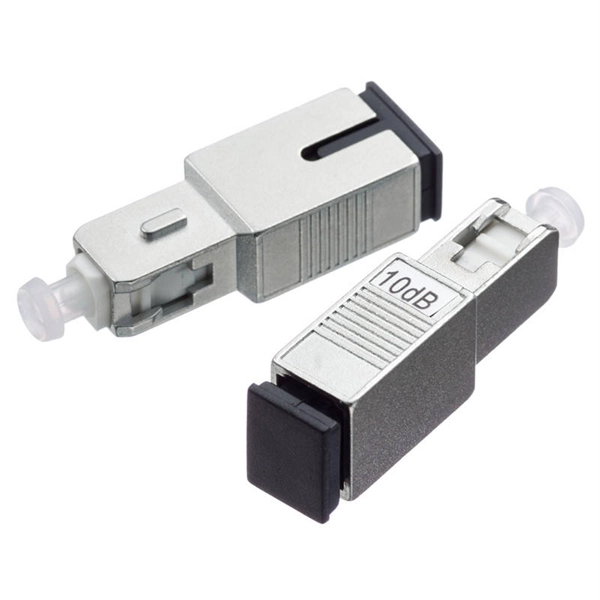
Illustrative equipment image

Busbars for High-Voltage Power Systems: The Key to Efficient Power

Busbars are constructed from conductive metal bars, typically made of copper or aluminum, with a large cross-sectional area and insulated by specialized materials. These metal bars

Busbar Design in Switchgear: Key Principles & Best Practices

Busbar design in switchgear ensures safe, reliable power distribution by balancing current capacity, thermal performance, mechanical strength, insulation, and standards compliance.

High Voltage Busbars

To connect various high voltage (HV) components to the HV system, TE also delivers a wide variety of busbars. In cooperation with the customer, these can also feature TE''s Bus Bar Insulation Tubing

Blind-Mating Connector System (HC-STAK) | TE

The HC-STAK Busbar Connector System eliminates the need for bolt-driven electrical connections, providing a scalable and separable interface in one of the

High-Current High-Voltage Solutions

Molex provides a versatile range of high-current high-voltage busbar solutions suitable for various applications and environments. Busbars and busbar connectors are the backbone of many

High Voltage Switchboard Busbar Design Basics

Learn busbar design using IEC 61439 rules and ABB guidelines for current, temperature, and clearances to keep panels safe, efficient, and compact.

How to Install HV/LV Switchgear: Full Process & Global

Master high & low voltage switchgear installation with this expert guide. Learn unboxing, setup, busbar connections, and global standards for

Related Video Reference

This video was associated with the source search result. Verify technical details against current product documentation and project requirements.

Share your network requirements

Share the fiber interfaces, termination capacity, cable route and evidence required for handover.

Send a project brief