
Technical notes
Complete Guide to Fiber Optic Home Networking | BroadbandSearch
Build a home fiber network for 1-2 Gbps speeds with this complete guide to installation, troubleshooting, and performance.
Home Fiber Optic Networking | Install Home Fiber Optic
Where a Fiber Optic Internet Modem is installed, the PureFIBER PRO cable can connect the modem SFP fiber output directly to one of the available Fiber
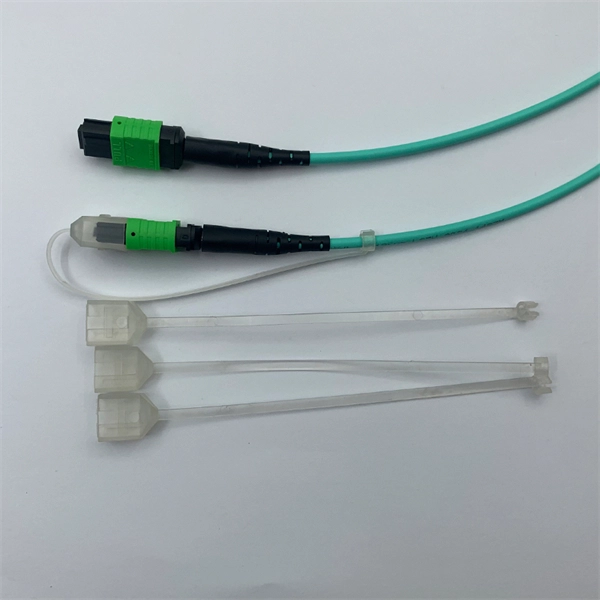
Fiber Connector Types: A Comprehensive Guide 2025
Discover the common fiber connector types. Learn the differences, uses, and best practices for SC, LC, ST, FC, MPO/MTP connectors.
Amazon : Fiber Optic Internet Cable
Discover reliable fiber optic internet cables for home and office networks. Find SC/APC patch cables in various lengths compatible with major providers.
InvisiLight Home Fiber Kit – Lightera
Unlock Your Internet''s Potential with InvisiLight Home Fiber Kit. Easy, invisible connections using an ultra-thin fiber optic cable.
Home Wiring Cables
Discover our Fiber Optic & Hybrid House wiring cables solutions to run the whole home with fiber optic audio, video, data, smart home control, alarms, phones,
Fiber Optic Cable Assemblies
Corning offers the most complete line of connectors and factory-terminated cables, from single-fiber patch cords to high-fiber-count assemblies.
7 Types of Fiber Optic Connectors in 2025 & Which Is Best?
7 Types of Fiber Optic Connectors in 2025 and How to Choose the Best Fiber optic technology has revolutionized communication, powering everything from the internet to high-speed
What Is Fibre Optics & How Does It Work? | Neos Networks
We''ll answer questions around how fibre optics works, the types of fibre optic cables available, and what fibre optics is used for, as well as addressing the pros and cons of optical
Fiber Optic Cable Installation Process: Connecting Homes
The fiber optic cable installation process, meaning connecting homes with internet service, is becoming increasingly critical and important to understand.
Be Your Own Technician: DIY Fiber Optic Installation Guide
6. Can I install fiber optic cables myself? Yes, with the right tools and guidance, you can certainly install fiber optic cables yourself. Remember, precision and patience are key to a successful
Home Fiber Optic Networking | Install Home Fiber Optic Network | Fiber
PureFiber PRO is the Best, most complete Whole FIBER OPTIC INTERNET HOME WIRING cable, designed to connect fiber-speed internet to each room together with smart-home controls, 4k 8k
Home Fiber Kit: Wired Internet Where You Need It
DIY-Friendly Installation Easily install a discrete fiber optic connection. The InvisiLight Home Fiber Kit is versatile and ideal for various home networking
Types of Fiber Optic Cable Connectors and Their Uses
Connectors, also called terminations, link cables together with a secure connection that permits pulses to travel through the cable without interruption. To accommodate different applications, there are
Fiber Internet Installation Guide | BroadbandSearch
Fiber to the Home (FTTH) means the fiber-optic cable runs all the way from the provider''s network directly to your home — the connection is fiber end to end. This delivers the full benefits of
Fiber-optic communication
Modern fiber-optic communication systems generally include optical transmitters that convert electrical signals into optical signals, optical fiber cables to carry the signal, optical amplifiers, and optical
Fiber Optic Cables and Extensions
Transmit data over long distances while retaining signal power with fiber optic cables. This innovative material is efficient, safe and ergonomic.
Fiber Connector Types: A Comprehensive Guide 2025
A fiber optic connector is a mechanical device used to align and join optical fibers, enabling light to pass through with minimal loss. Unlike fiber splicing, which is permanent, connectors
Related Video Reference
This video was associated with the source search result. Verify technical details against current product documentation and project requirements.