
Technical notes
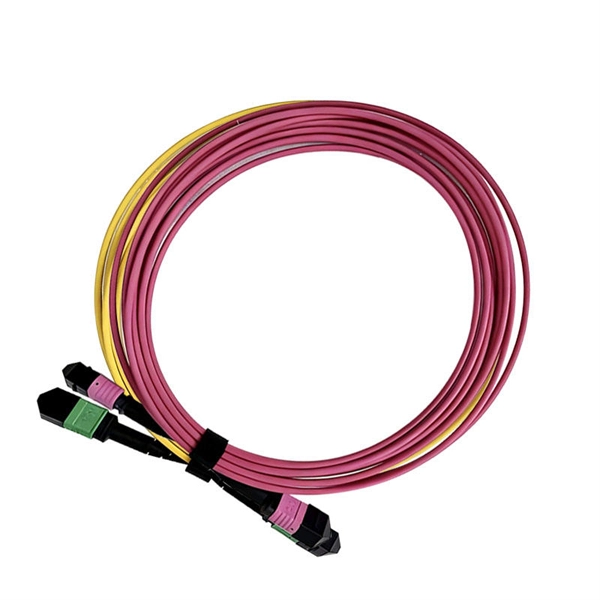
Understanding Single Mode Fiber Optic Cable: A Comprehensive Guide
Explore our comprehensive guide on single mode fiber optic cable, including insights on duplex fiber patch cables for efficient data transport over long distances.
Single-mode optical fiber
OverviewCharacteristicsHistoryConnectorsFiber optic switchesQuadruply clad fiberExternal links
Unlike multi-mode optical fiber, single-mode fiber does not exhibit modal dispersion. This is due to the fiber having such a small cross section that only the first mode is transported. Single-mode fibers are therefore better at retaining the fidelity of each light pulse over longer distances than multi-mode fibers. For these reasons, single-mode fibers can have a higher bandwidth than multi-mode fibers. Equipment for single-mod
Multi-Mode to Single-Mode Conversion: How to Bridge the Fiber Gap
By understanding the methods available, from simple mode conditioning patch cords to versatile fiber media converters, you can design a robust, scalable, and high-performing network
Tutorial Passive Fiber Optics, Part 3: Single-mode Fibers
Part 3: Single-mode Fibers In the previous part, we have seen that depending on its refractive index profile and the wavelength, a fiber may guide different numbers of modes. It may guide only a single
Single-Mode Fiber Cable Guide: Types, Specs & Selection
This comprehensive guide explores Single-Mode Fiber Optic Cable, covering technical specifications, deployment scenarios, and best practices to help you optimize your fiber infrastructure
Single Mode vs. Multimode Fiber Optic Cables
There are two main types of fiber optic cables: single mode fiber and multimode fiber. Single mode fiber optic cables feature a narrow core diameter, allowing only a single mode of light to
Single Mode Fiber: Types and Applications
Single mode fiber (SMF) is a type of fiber optic cable that only allows one light mode to transmit at a time. Generally, single mode cable has a narrow core diameter of 8 to 10µm
Can Single Mode Fiber Transmit And Receive Simultaneously
One of the questions many people ask is whether single-mode fiber can transmit and receive data simultaneously. In this article, let''s explore the answer to this question in detail.
Single-mode Fibers
We explain the criterion for single-mode guidance, the influence of the core size, launching light into a single-mode fiber, and how to achieve large mode areas.
What Is Single Mode Fiber and How Does It Work?
Explore the technology behind single mode fiber optics. Learn how its unique design enables the internet''s fastest, longest-distance data backbone.
Single Mode and Multimode Fiber: What''s the Difference?
Learn more about Single Mode and Multimode Optical Fibers - their design, key differences, and intended fiber optic systems applications.
Single Mode Fiber Wiki: Concerning Types and Applications
This post will illustrate everything important about single mode fibers, including its definition, fiber types, advantages & disadvantages and applications.
Singlemode vs Multimode Fiber Optic Cable
We breakdown the differences between single mode and multimode fiber optic cable, covering aspects like physical structure, bandwidth over
Fiber Optic Basics
Single-mode fibers require more elaborate couplers with submicron positioning resolution, like the ULTRAlign and 562F stainless steel positioners F-915 and F-1015 fiber optic couplers.
Understanding Single Mode Fiber Optic Cable: A
Explore our comprehensive guide on single mode fiber optic cable, including insights on duplex fiber patch cables for efficient data transport over
Single Mode vs Multimode Fiber, What is The Difference?
Learn the key differences between single mode vs multimode fiber cables and choose the right one for your fiber optic system.
Single Mode vs Multimode Fiber: A Complete Comparison Guide
Understand the difference between fibers: single mode offers long-distance, high bandwidth, while multimode suits short runs and lower costs.
The Difference Between Single/Dual Fiber and
As fiber optic networks continue to evolve, selecting the right optical transceiver becomes increasingly important. Whether you''re designing a short
Related Video Reference
This video was associated with the source search result. Verify technical details against current product documentation and project requirements.