
1. What are the advantages and disadvantages of laser diodes?
Advantages of Laser DiodeWhen a laser diode is compared with other light-emitting devices, the operational power is less in the laser diode.The tre...
Search optical fiber, connectivity, cable management and network infrastructure references.
The working principle of ADSS fiber optic cable is based on optical signal transmission through glass fibers using light pulses. In the realm of aerial fiber optic infrastructure—where cables must withstand harsh weather, high voltages, and mechanical stress— ADSS (All...
They essentially work by converting the incoming light signals into electrical signals, processing them, and then converting them back into light signals. This conversion process is known as O-E-O (Optical-Electrical-Optical). This transition allows data to remain in its...

OTDR utilizes the reflection and scattering characteristics of optical pulses to measure the loss and fault locations in optical fibers. It emits short pulse light signals into the tested fiber and records the echo signals of the light pulses. It provides an expert-curated...
[PDF Version]
The principle of operation of a fiber sensor is that the transducer modulates some parameter of the optical system (intensity, wavelength, polarization, phase, etc. Radiation absorption excites an orbital electron to a higher energy level. Heating the material enables the...
OTDR utilizes the reflection and scattering characteristics of optical pulses to measure the loss and fault locations in optical fibers. It emits short pulse light signals into the tested fiber and records the echo signals of the light pulses. This article, sisco will provide...
[PDF Version]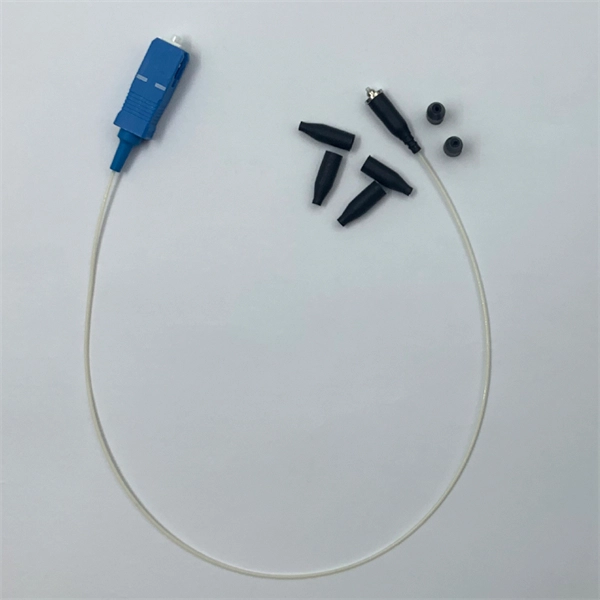
Effective OPGW cable installation involves meticulous planning, precise execution, and thorough testing. The following operation caused by temperature, and possible thunder attack, short circuit ere. Therefore, detailed conditions. According to design requirement, OPGW should...
[PDF Version]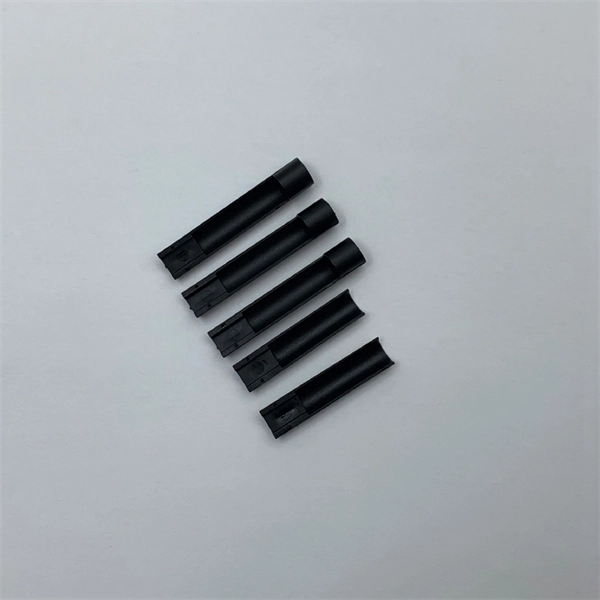
Fibre-optic communication involves transmitting a signal as light, converting electrical signals to optical signals at the transmitter end and reversing the process at the receiver end. Fiber optic connectors, also known as terminations, connect two ends of fiber optic...
[PDF Version]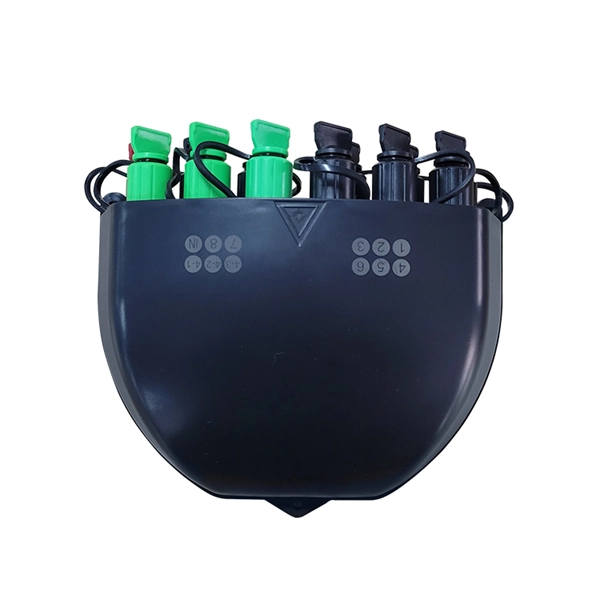
Fibre-optic communication involves transmitting a signal as light, converting electrical signals to optical signals at the transmitter end and reversing the process at the receiver end. Light acts as a carrier wave and can be modulated to carry information. Optical fibre is...
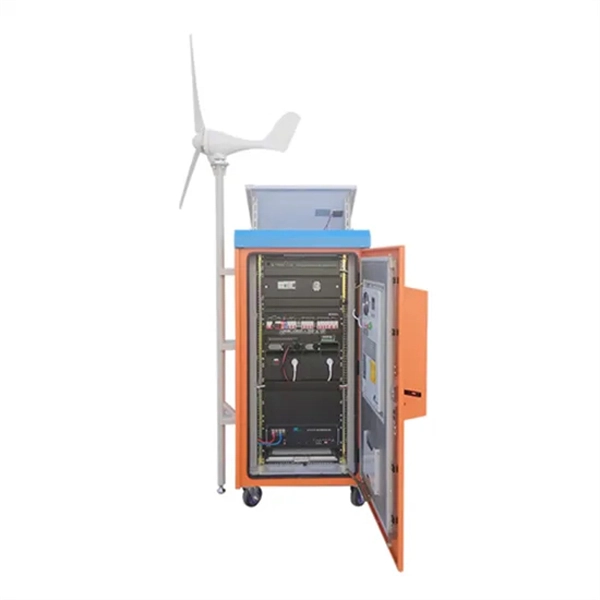
The working principle of a laser diode is based on stimulated emission and population inversion within a forward-biased semiconductor p-n junction. When sufficient current flows, more electrons occupy the excited state than the ground state (population inversion). Unlike...
[PDF Version]Advantages of Laser DiodeWhen a laser diode is compared with other light-emitting devices, the operational power is less in the laser diode.The tre...
The laser diode is defined as follows:Monochromatic: A small width of emitted narrow light that has just one colour.Well-directed: The light will b...
Laser diodes are classified as follows:Heterostructured laser diode: A heterostructured material is one that is sandwiched between two n-type and t...
Share the fiber interfaces, termination capacity, cable route and evidence required for handover.