
How can one identify a broken fiber optic cable?
To identify a broken fiber optic cable, start by performing a visual inspection for any physical signs of damage, such as bends, cracks, or breaks...
Search optical fiber, connectivity, cable management and network infrastructure references.
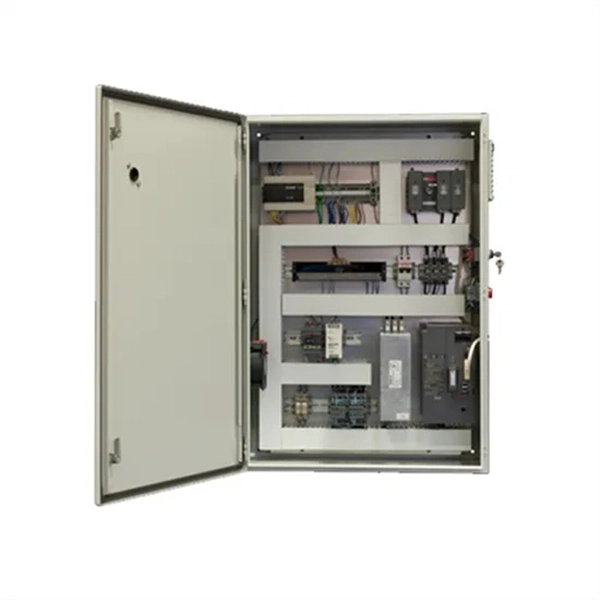
This guide walks through a practical, real-world installation process used in FTTH deployments. It covers not only mounting and splicing, but also how to plan port capacity, manage slack, label correctly, and avoid common installation mistakes. A fiber termination box is the...
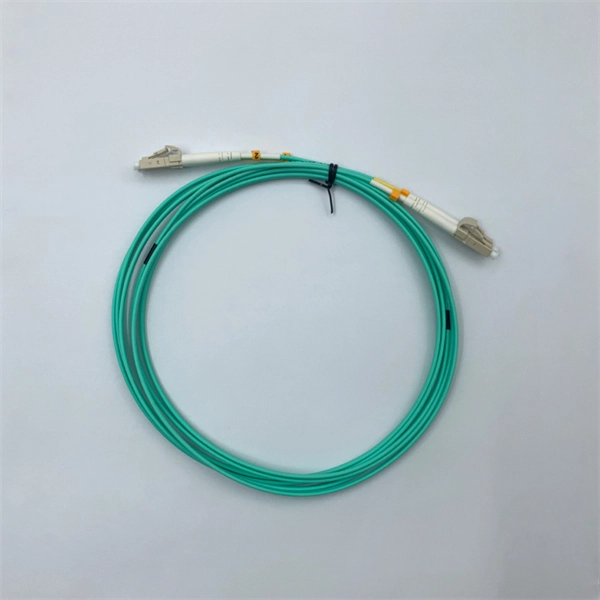
Use multimode fiber for short-to-medium runs while choosing single‑mode or active repeaters for long distances. Signal loss, dispersion, connectors, and transceiver sensitivity set practical limits. Fiber optic cable transmission distance is determined by two primary physical...
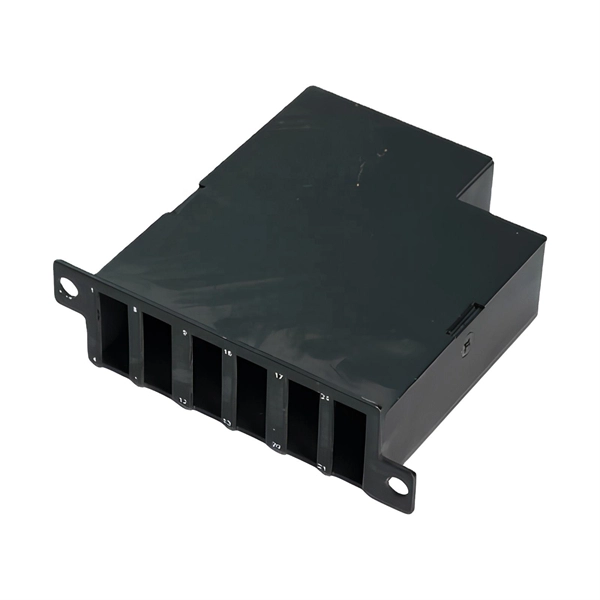
Given the access to a fusion splicer, you can splice the pigtail right onto the cable in a minute or less, which greatly speeds the splicing and saves significant time and cost spent on field termination. Get the wrong connector type, the wrong polish, or skip proper fusion...
[PDF Version]
Learn how to splice fiber optic cable using fusion splicing with this complete step-by-step guide. Includes tools, best practices, loss standards (ITU-T G. 652), cost analysis, and FAQs for network engineers and installers. Think of a fiber optic cable splice as the seamless...
[PDF Version]
A fiber-optic composite cable is a versatile cable system used for both information transmission and power supply purposes, commonly deployed in urban and rural communication and power distribution networks. Unlike copper wires, which are limited by lower data transmission...
It has been standard practice for many years to perform single mode fiber tests at 1550 nm (in addition to 1310 nm), to help find identify cabling stress points. Typically, a kinked cable may pass at 1310 nm, but fail at 1550 nm or beyond. 1625 nm: Often used for in-service...
[PDF Version]
In this guide, we'll walk you through the entire process of preparing fiber optic cable for splicing and termination to fiber connectors. Have a network installation project? Fiber Optic Cables: The primary medium for your connections. Remove the connector boot and riveting...
The three standard methods for testing fiber optic cabling are a visible light source, power meter and light source, and optical time domain reflectometer (OTDR). These fibers are most commonly made of glass and are very thin, typically less than a tenth of the width of a...
[PDF Version]
This guide provides a detailed roadmap for locating and fixing fiber optic cable breaks, covering detection techniques, repair methods, and best practices. Whether you're a network technician, IT professional, or telecom operator, you'll find practical steps, tools, and tips...
[PDF Version]To identify a broken fiber optic cable, start by performing a visual inspection for any physical signs of damage, such as bends, cracks, or breaks...
There are several methods to test fiber optic cables without a tester. One method is using a visual fault locator (VFL), as mentioned earlier, to v...
Intermittent fiber optic connections can be caused by a variety of factors, including: Poorly terminated connectors or splices that result in unsta...
Share the fiber interfaces, termination capacity, cable route and evidence required for handover.