
Technical notes
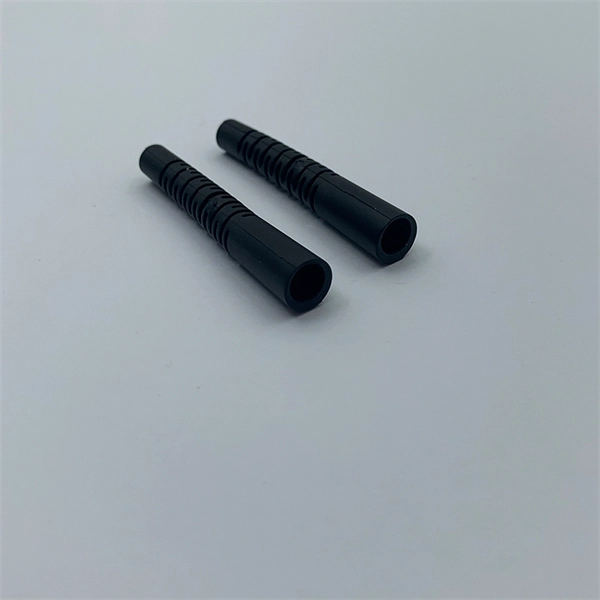
optical switch diy: quick and easy electronics project
Learn how to build an optical switch with our straightforward DIY electronics project! This easy-to-follow tutorial is perfect for beginners and enthusiasts looking to expand their skills.
What Are Optical Switches and How Do They Work?
Explore the mechanisms and advantages of optical switching—the future of data routing that uses light instead of electricity.
How to Design an Optical Switch Using Si PIN Phototransistors
Learn how to design an optical switch using Si PIN phototransistors with step-by-step tips on photo interrupter circuits and optical switching applications for real-world projects.
How to Install an SFP Module: Step-by-Step Guide
Learn how to install an SFP module correctly with step-by-step instructions, safety tips, hot-swap rules, and troubleshooting for reliable network links.
POLATIS Optical Switch Modules from 16x16 up to 48x48 Ports
POLATIS ® Series 6000 Optical Switch Modules (OSM) are high-performance, fully non-blocking all-optical matrix switch modules with port counts from 16xCC up to 48xCC, offering "any-to-any" port
The Most Comprehensive Guide Of Optical Modules
Explore the ultimate guide to optical modules. Learn types, functions, performance metrics & how to choose the right module for your fiber network.
Replacing an Optical Module
Perform the following steps to insert the spare optical module into the optical port. Take out the new optical module from the packing box and check whether any part of the module is damaged or missing.
What Are Optical Switches and How Do They Work?
Optical switches redirect light signals without converting them to electricity. Learn how they work, their types, and why they matter for modern networks.
All-Optical Switching Tutorial, Part 1
This tutorial covers the all-optical switches themselves – the various types, how they differ from electronic switches, where they sit in networks, what functions they perform, how they''re
Opto Switches
These optical sensors work in a similar way to the slotted opto sensor but rely on infra red light reflected from an object (e.g. a sheet of paper in a printer) placed about 2mm to 8mm from the sensor to
Introduction to all-optical switching
What is an all-optical switch? An all optical switch is a device that allows one optical signal to control another optical signal, i.e. control of light by light. The above definition of an all-optical switch is
The Ultimate Guide to Optical Fiber Switch Systems:
Optical fiber networks use an optical switch to selectively switch optical signals among various channels without electrical signal mappings. It puts
The Key External Components of Optical Modules
An optical module serves as the backbone of modern fiber-optic communication. Its appearance often resembles a compact rectangular device, designed to fit seamlessly into
What Is an Optical Module and Its FAQs (V200)
What Is an Optical Module and Its FAQs (V200) Describes what an optical module is and FAQs, including the fundamentals, appearance and structure, key performance counters, common types,
What Is an Optical Module
On an optical network, a sender needs to convert electrical signals into optical signals before sending them to a receiver, and the receiver needs to convert received optical signals into electrical signals.
Optical transistor
An optical transistor, also known as photonic transistor, optical switch or light valve, is a device that switches or amplifies optical signals. Light occurring on an optical transistor''s input changes the
Optical module
An optical module is a typically hot-pluggable optical transceiver used in high-bandwidth data communications applications. Optical modules typically have an electrical interface on the side that
How to Choose Optical Modules Correctly?
What is an Optical Modules? Optical modules are pivotal components in optical fiber communication systems, operating at the physical layer—the
Related Video Reference
This video was associated with the source search result. Verify technical details against current product documentation and project requirements.