
Technical notes
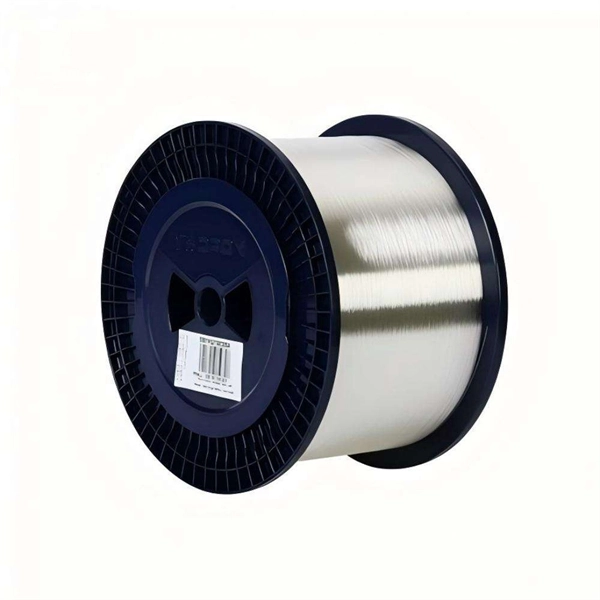
Build a 10G Fiber Home Network: Ultimate Guide to Cable, Jumper,
Learn how to design a future-proof 10G fiber home network using premium fiber optic cables, jumpers, PLC splitters, and enclosures. Step-by-step guide to hardware selection,
Introduction to Passive Optical Network Splitter Architectures
A fiber broadband provider typically determines and overall split ratio for the network, such as 1x32 or 1x64, and uses combinations of splitters to meet that ratio with each PON port.
Understanding FBT Splitters in Modern Fiber Networks
FBT splitter offers a cost-effective way to split optical signals in fiber networks, ideal for small setups needing simple, customizable signal distribution.
Fiber Optic Splitters for PON Networks: 2025 Guide
In this guide, you''ll learn how fiber splitters function in PON networks, the difference between PLC and FBT types, and how to choose the best model
How to Design FTTH Network Split Level and Split Ratio?
Learn how to design an efficient FTTH network by optimizing split levels and split ratios. Get deployment strategies for high-performance fiber
Splitting the Fiber: The Possibility and Implications of Dividing an
In principle, an optical cable can be split, but it''s not as simple as just cutting the cable and attaching multiple devices. There are two primary methods of splitting an optical cable: Passive
Fiber Optic Splitters – Selection Guide for FTTH Networks
In this guide, we''ll break down what fiber splitters do, how they work, and how to choose the best model for your application.
A Guide to Optical Splits to Improve your Fiber Game!
To further optimize the performance and utilization of an optical network, optical signal splitting is employed. An optical splitter may have one or more inputs and
RLTECH PON (PON Line Indicators and Split Ratio Design)
PON line design requires comprehensive consideration of optical power budget, split ratio, transmission distance, and scenario demands13. RLTECH provides stable PON solutions,
A Guide to Transceiver and Cable Breakout Connectivities
This method utilizes high-speed optical transceivers paired with breakout fiber cables or two fiber jumpers to split the signal into multiple lower
High Fiber Foods: Fruits, Vegetables, and More
Eating plenty of fiber has numerous health benefits. Here are 22 healthy high fiber foods that can help you lose weight and reduce your risk of
Fiber Optic Losses in PON Networks: Understanding Key Factors
Fiber optic losses refer to the reduction in optical power as the signal propagates through different transmission media and passive components in the PON. They are measured in decibels (dB
Langzhi: GPON EPON OLT ONU & SFP Manufacturer
Langzhi China is a professional FTTH equipment manufacturer specializing in GPON/EPON OLT, ONU/ONT, and SFP modules compatible with Huawei &
How to Choose Between MTP®/MPO Jumpers, Harnesses, and Trunks
In high-density data centers, cloud computing rooms, and AI network architectures, MTP/MPO multi-fiber optic assemblies have become the fundamental connection method for 40G, 100G, 400G, and
The FOA Reference For Fiber Optics
There is really no way to generalize on the design process for fiber to the home (FTTH) networks - or any fiber optic network for that matter - since every system
Fused Fiber Optic Couplers / Splitters
Fused Fiber Optic Couplers / Splitters Thorlabs offers a varied selection of single mode (SM), polarization-maintaining (PM), multimode (MM), and double-clad
Understanding ONT Devices and Choosing the Best Optical Network
As fiber optic networks continue to expand, the devices that connect end-users to high-speed broadband have become increasingly important. Among these devices, the Optical Network
What Is Passive Optical Networking (PON)?
Passive optical splitting Optical splitters take a single light source (a single fiber-optic strand) and refract and duplicate it multiple times to "outbound" fibers. In its
Related Video Reference
This video was associated with the source search result. Verify technical details against current product documentation and project requirements.