
Technical notes
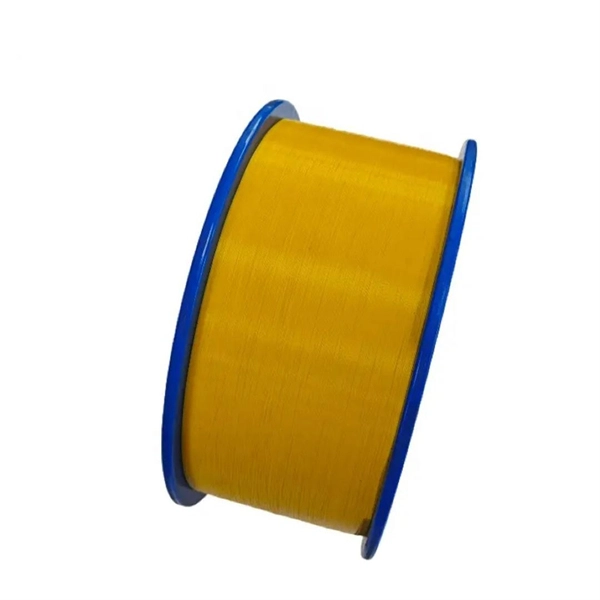
Fiber Optics inspection, cleaning and testing
Simply connect the fiber optic connector to the microscope probe and the test will be done automatically. Each type of connector has a different ferrule diameter.
FOA Standard For Installing Fiber Optic Cable Plants
The type of fiber optic cable and the fibers in the cable should be chosen appropriate for the type of communications system(s) being supported, the type of installation and the environment in which the
Fiber Optic Cable Installation and Handling Instructions
The information contained in this manual should serve as a guide to proper handling, installing, testing, and for troubleshooting problems with fiber optic cables.
The FOA Reference For Fiber Optics
The best way to keep everything straight is to develop a checklist based on the design path. This is comprehensive but each project may have some of its own unique requirements that need to be
Fiber Testing Standards 2025 Guide for IEC and TIA
IEC and TIA are developing new standards for MPO multi-fiber connector testing. FOA continues to provide practical, one-page standards for
FC967-Forms and Checklist for Fiber Optic Cable Manufacturing
Optimize your Fiber Optic Cable Manufacturing process with our comprehensive forms and checklists. Streamline operations for efficiency and quality assurance.
Fiber Testing | Fiber Optic Cable Testing Methods & Top Tools
Fiber Optic Testing Fiber testing encompasses the processes, tools, and standards used to test fiber optic components, fiber links, and deployed fiber networks. This includes optical and mechanical
Fiber Optic Cable Inspection Checklist
What makes Fiber Optic Cable Inspection so important: Fiber Optic cables are gamer changers in the communication industry. When they are not maintained properly, they can seriously impact business
The FOA Reference For Fiber Optics
Designers of fiber optic cable plants and networks depend on these specifications to determine if networks will work for the planned applications. For the purposes of this particular page, we will focus
101 Guidelines for Fiber Optic Cable Installation
A fiber optic cable should be tested three separate times during an installation: on the reel, the splicing test, and the final acceptance test. Extreme caution should be observed when performing an aerial
Fiber Optic Installation Checklist | PDF | Optical Fiber | Cable Television
The document provides guidance on preparing for and conducting outside plant fiber optic cable installations. It discusses developing a comprehensive checklist to coordinate the project, reviewing
FOA Standard For Installing Fiber Optic Cable Plants
Support structures for fiber optic cable installations should be completed before the installation of the fiber optic cable itself. Outside plant structures should be installed in conformance with all permits
How to Test a Fiber Optic Cable: Best Methods & Tools
Want to know how to test a fiber optic cable? We''ll look at the most common fiber testing methods and how to use them properly.
Fiber Optic Cable Testing 101: Tools, Techniques, and Industry
Fiber Optic Cable Testing Ensures network reliability by using tools like visible light sources, power meters, and OTDRs to measure signal loss, identify faults, and maintain system
Fibre Optic Cable Installation Checklist
Routine Inspection: Regularly check for loose connections, wear, and cable integrity. Cleaning Protocols: Use proper fibre optic cleaning tools to remove dust and debris. Troubleshooting
Standard for Installing and Testing Fiber Optics
Insertion loss is tested by connecting a test source through a mating reference cable (launch reference cable) to the cable plant under test and measuring the loss with a power meter attached to the cable
How to Test Fiber Cable Quality in Telecom Projects
Technical guide to testing fiber cable quality, covering visual inspection, optical loss testing, OTDR analysis, and standards for FTTH and data center network.
Optical Fiber Cable Optical Fiber Cable In
Optic Cable apply: Where reels are supplied with protective material fitted over the cable, the protection should remain in place until the cable. has been installed. If the protection is removed prior to
Related Video Reference
This video was associated with the source search result. Verify technical details against current product documentation and project requirements.