
Technical notes
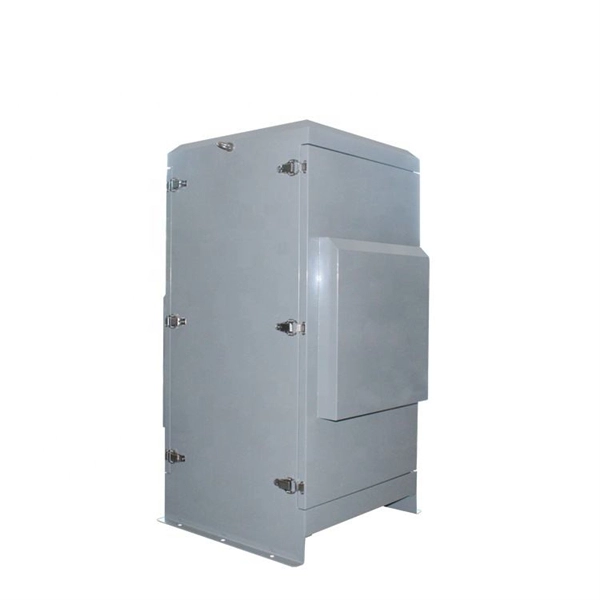
How to Install a Distribution Box—A Comprehensive
Before starting the installation, finding a proper place for putting the distribution box is crucial, because it largely decides the safety and convenience
Distribution box
In this article, you will learn everything you need to know about installing, expanding or replacing a distribution box - from the legal basis to practical implementation. What is a distribution box and what
Requirements And Specifications For Installation Of Distribution Boxes
The installation requirements and specifications of Distribution box involve many aspects, including site selection, fixing method, wiring specifications and safety protection.
How to Install a Cable Distribution Box Safely and Correctly?
Reliable cable distribution boxes ensure safe, efficient power management for residential, commercial, and industrial systems. Learn installation and safety tips.
Distribution Box Installation: Advanced Techniques
This video breaks down the process step-by-step, ensuring viewers can confidently complete this essential electrical project.
Electrical Distribution Boxes for Power Distribution
Electrical distribution boxes for modular power distribution and installation. Flexible distribution solutions for industrial and building electrical infrastructure.
Large Electrical Enclosure: Design & Selection Guide
A large electrical enclosure houses power, control, and communication gear. This article covers protection standards (IP/NEMA), materials, thermal design, EMC, layout, installation,
Electrical Distribution Modernization and Upgrade Solutions
Modernization solutions for optimizing existing switchgear and electrical distribution equipment to make it more reliable, safer, and in service longer.
Distribution Box and Selection Guide: Internal Structure, Components
Learn how to choose a distribution box and understand its internal structure, including MCBs, busbars, neutral bars, earth bars, RCDs, RCBOs, SPDs, enclosure ratings, and wiring layout.
Distribution Box Guide: Types, Components & Solutions
Understand distribution boxes (DB boxes) in 5 minutes. Learn about types, components, functions, and uses. Find the perfect DB box for your needs.
Requirements And Specifications For Installation Of Distribution Boxes
In flammable and explosive environments, explosion-proof distribution boxes should be selected and explosion-proof treatment should be carried out. The installation of explosion-proof
Power Distribution Boxes: A Complete Overview
Instead, consider using a larger, higher-capacity distribution box or consulting with an electrician to properly distribute power and ensure safety compliance. Q:
Understanding Distribution Boxes: A Comprehensive
support safer operation in electrical systems For this reason, distribution boxes are widely used in homes, commercial buildings, industrial
Installation requirements for distribution boxes
Installation of closed or explosion-proof electrical facilities; distribution box electrical components, meters, switches and lines should be arranged neatly, firmly installed, easy to operate.
Size determination, installation method and wiring mode of distribution
The distribution box is the central hub of the home circuit and the general control of our daily power consumption. It is an indispensable electrical equipment. If there are some potential safety hazards,
What is an Electrical Distribution Box? A
Discover everything you need to know about electrical distribution box! Learn about types, components, and how to choose.
Guide to Commercial Installations Distribution Boards & Panelboards
Introduction The whole nature of electrical sub and final distribution for commercial installations has changed in the last few years. There is a demand for more RCD protection of final circuits, more
Key Points Of Installation And Collocation Of Distribution Box In
If they are combined in the same distribution box, power and lighting lines should be set separately. 7. The wire inlets and outlets in the distribution box and switch box shall be set at the lower bottom of
Related Video Reference
This video was associated with the source search result. Verify technical details against current product documentation and project requirements.