
Technical notes
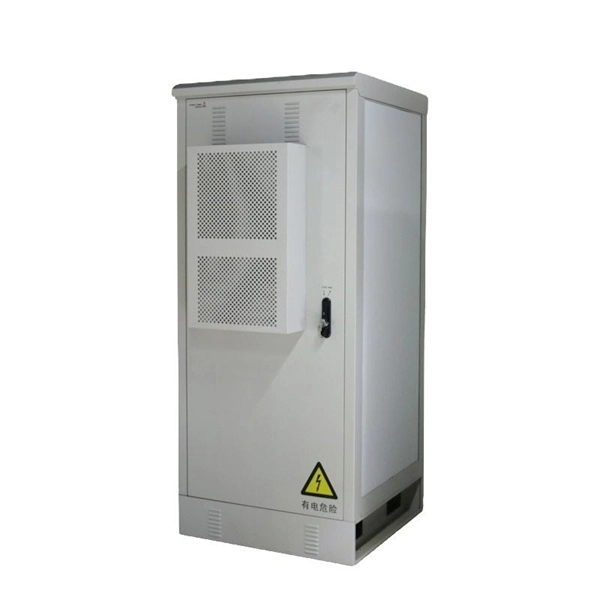
Explosion Proof Enclosures | Complete Hazardous Area Guide
Learn everything about explosion proof enclosures for hazardous areas—design, certification, and industrial applications with ATEX, IECEx, and Class I Div compliance.
Explosion-Proof Distribution Boxes: Special Installation Requirements
Explosion-proof boxes aren''t metal containers – they''re integrated life-preservation systems requiring holistic design, precision installation, and continuous vigilance.
Wiring Specifications For Explosion-Proof Distribution Boxes
Leads on-site engineering support, installation troubleshooting, and lifecycle maintenance for explosion-proof electrical systems in harsh industrial environments.
Installation and Wiring of High and Low Voltage Explosion-Proof
Generally, professional electricians should handle the wiring of explosion-proof distribution boxes, as they possess the necessary skills and safety equipment. In non-urgent cases,
Distribution Boxes HRMD96 Series Explosion-proof Distribution Panels
·Equipped with specialized hinge structure, which can prevent the flameproof joints from damage when opening and closing the box, and greatly prolong the service life of box. The boxes can be combined
Requirements And Specifications For Installation Of Distribution Boxes
The installation of explosion-proof distribution boxes should follow specific explosion-proof grades and material requirements to ensure their safety and reliability.
Special requirements for cable laying and distribution box installation
It''s not just about compliance - it''s about creating intrinsically safe systems where cable management and enclosure installation don''t just meet standards but exceed them in design philosophy.
Requirements for Explosion-proof Distribution Boxes and Panels
By following these guidelines, the installation and operation of explosion-proof equipment can be made safer, more efficient, and compliant with industry standards.
Terminal and Junction Boxes (Ex d) | Explosion Protection
To meet diverse installation requirements, a variety of enclosure dimensions, terminals, and cable gland options are available. The modular design allows for tailored configurations that align with specific
Technical Specification for Explosion Proof Cabinets: A Guide
Detailed electrical schematics, installation requirements, and quality assurance protocols are also vital for ensuring compliance and long-term performance.
Installation and Wiring of High and Low Voltage
Explosion-proof distribution boxes, vital terminal distribution equipment in power systems, play a crucial role in controlling and protecting
Installation guide for hazardous areas
All circuit wiring is run in conduit and junction boxes approved for explosion-proof installation. Explosion proof transducers and wiring must be installed according to ANSI/UL 1203-1994, Explosion-Proof
Ex Distribution Boards & Enclosures | mlx-ex
Ex distribution boards - Explosion-proof distribution boards designed for Ex and ATEX areas. Customizable, safe, and certified electrical solutions.
Terminal and Junction Boxes (Ex d) | Explosion Protection
With their rugged construction and well-thought-out design, Pepperl+Fuchs Ex d terminal boxes and junction boxes simplify both installation and maintenance while providing reliable explosion
Explosion-Proof Electrical Distribution Boxes: Applications in
Proven flame containment mechanisms to prevent ignition Collectively, these elements guarantee that explosion-proof electrical distribution boxes effectively mitigate risks in volatile settings. Types of
Installation Atlas Of Explosion-Proof Distribution Box
Understanding the installation of explosion-proof distribution boxes is crucial for ensuring electrical safety in factories.
Installation requirements for distribution boxes
Installation of closed or explosion-proof electrical facilities; distribution box electrical components, meters, switches and lines should be arranged neatly, firmly installed, easy to operate.
Ex junction and terminal boxes – Explosion-Proof | mlx-ex
Ex junction and terminal boxes are essential components for making safe electrical connections in environments where explosive gases or dust may be present. In such industrial settings, electrical
Related Video Reference
This video was associated with the source search result. Verify technical details against current product documentation and project requirements.