
1. What are the advantages and disadvantages of laser diodes?
Advantages of Laser DiodeWhen a laser diode is compared with other light-emitting devices, the operational power is less in the laser diode.The tre...
Search optical fiber, connectivity, cable management and network infrastructure references.
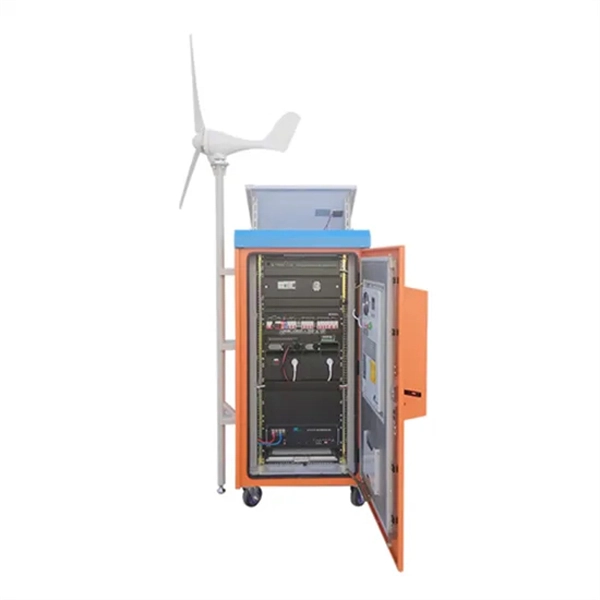
The working principle of a laser diode is based on stimulated emission and population inversion within a forward-biased semiconductor p-n junction. When sufficient current flows, more electrons occupy the excited state than the ground state (population inversion). Unlike...
[PDF Version]Advantages of Laser DiodeWhen a laser diode is compared with other light-emitting devices, the operational power is less in the laser diode.The tre...
The laser diode is defined as follows:Monochromatic: A small width of emitted narrow light that has just one colour.Well-directed: The light will b...
Laser diodes are classified as follows:Heterostructured laser diode: A heterostructured material is one that is sandwiched between two n-type and t...
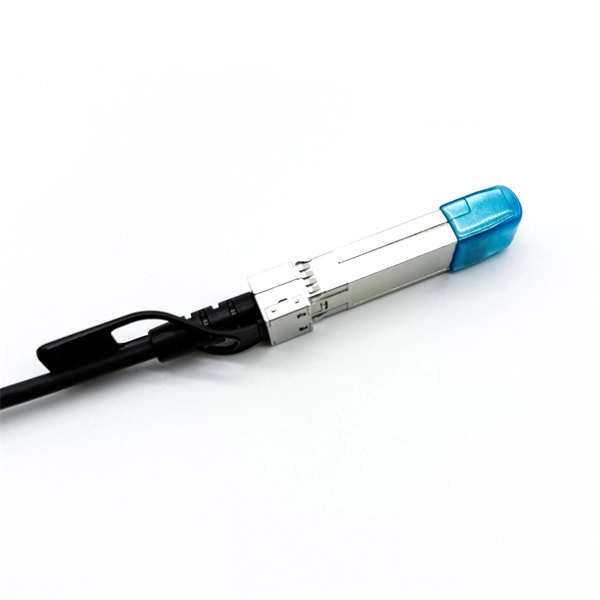
Optical modules are electronic devices that transmit data over long distances using light waves. Optical modules are small and compact in design, making them easy to install in any. What is an Optical Module? The Ultimate Guide to Principles, Types, and Troubleshooting...
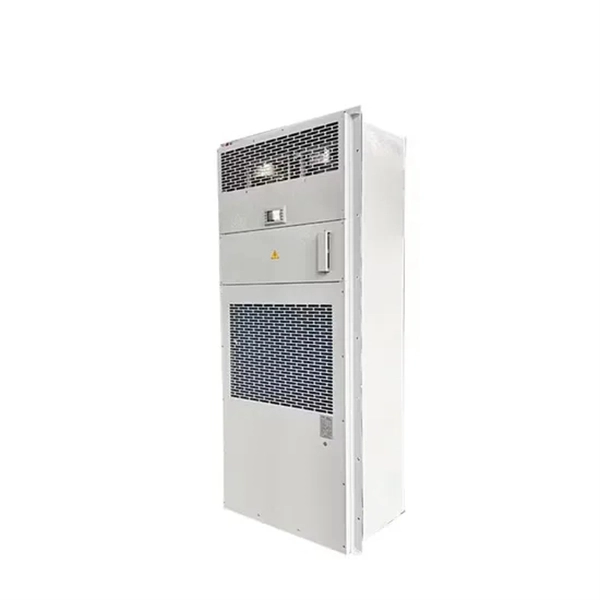
The Light Sensor module is an electronic component designed to detect the presence and intensity of light in the surrounding environment. In this quickstart guide, you'll learn how to connect a photoresistor to an Arduino board and read out the voltage. The light sensor used...
[PDF Version]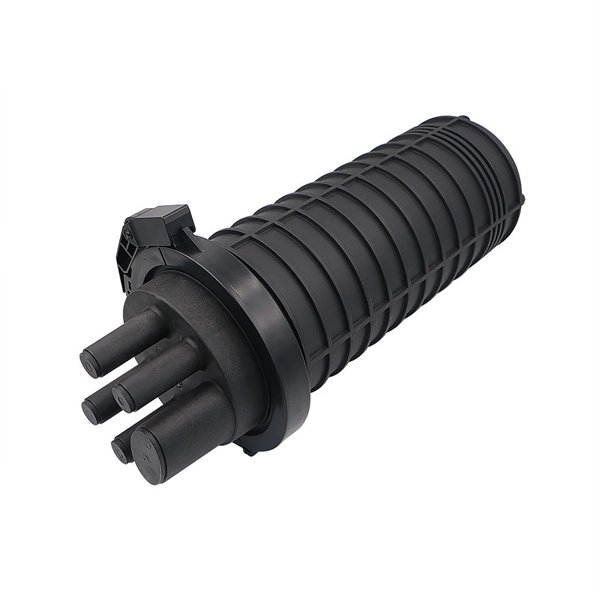
This article compares connector terminations, mechanical splicing, and fusion splicing, explaining when each technique is preferred in 2024 deployments. We'll cover everything from connector end-face geometry to step-by-step procedures for both field termination and. An...
[PDF Version]
A photocell switch, also referred to as a photoelectric or light-dependent resistor (LDR), is an electronic component that automatically controls lighting based on ambient light levels. This guide explores the fundamentals of photocell switches, including their. Check each...
[PDF Version]
Laser diodes are the most common type of lasers produced, with a wide range of uses that include fiber-optic communications, barcode readers, laser pointers, CD / DVD / Blu-ray disc reading/recording, laser printing, laser scanning, and light beam illumination. A laser diode...
[PDF Version]
Single-mode fibers, also known as monomode fibers, are optical fibers designed to support only a single propagation mode per polarization direction at a given wavelength. This means they can transmit light without interference from other modes, making them ideal for...
[PDF Version]
Barbados Laser Diode Market (2025-2031) | Trends & Outlook Growth6Wresearch actively monitors the Barbados Laser Diode Market and publishes its comprehensi.
[PDF Version]The Laser Diode Market is projected to register a CAGR of 11.20% during the forecast period (2024-2029) Read More
Coherent Inc., IPG Photonics Corporation, OSRAM Opto Semicobductor GmbH (OSRAM GmbH), Trumpf Inc. and Cutting Edge Optronics Inc. (Northrop Grumman...
Asia Pacific is estimated to grow at the highest CAGR over the forecast period (2024-2029). Read More
Beamsplitters are optical components used to split incident light at a designated ratio into two separate beams. a laser beam) into two (or sometimes more) beams, which may or may not have the same optical power (radiant flux). These tools can split both laser and regular...
Smart light sensors detect natural or artificial light levels. In this guide, you'll learn the best spots to place your sensors, how to install them securely and how to get the best out of them. Smart light sensors rely on. Integrating a light sensor into your home automation...
[PDF Version]Share the fiber interfaces, termination capacity, cable route and evidence required for handover.