
Long Distance Transceiver Types Reach And Selection Guide
Search optical fiber, connectivity, cable management and network infrastructure references.
- Long
- Distance
- Transceiver
Articles and technical references
7 on this page-
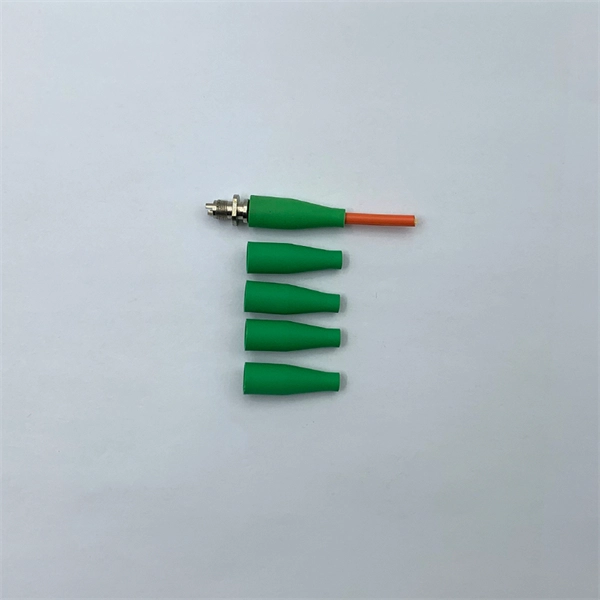
Fiber optic cable distance too long
Fiber optic cable can be run anywhere from 300 meters up to 80 kilometers (roughly 50 miles) depending on the cable type, transceiver used, and network standard. Fiber optic cable transmission distance is determined by two primary physical factors that affect signal quality...
[PDF Version]
-
Syria Long Distance Optical Cable G 652
652 specifies the geometrical, mechanical, and transmission attributes of a single-mode optical fiber and cable designed for telecommunications applications, featuring a zero-dispersion wavelength near 1310 nm to minimize signal distortion in the O-band. ITU-T Recommendation...
[PDF Version]
-
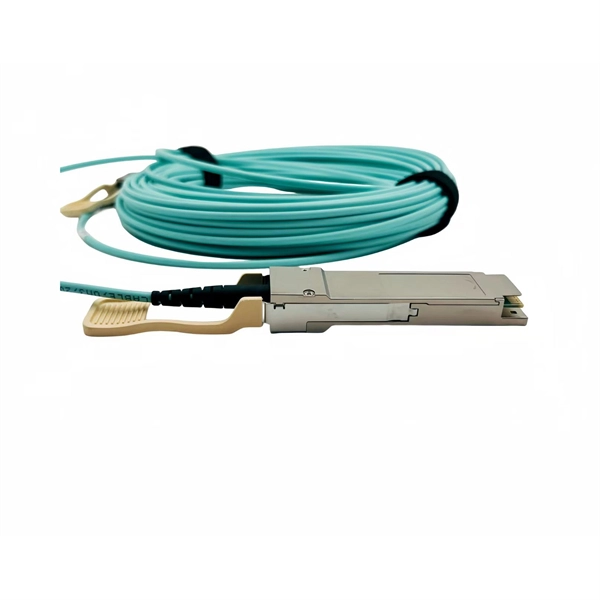
Fiber Optic Transceiver Coupler Types
It keeps signals strong and reliable for fast communication. Learn about the two main types of fiber optic couplers: fused and planar. Pick the port setup that fits your. Fiber optic couplers are optical devices that connect three or more fiber ends, dividing one input...
[PDF Version]
-
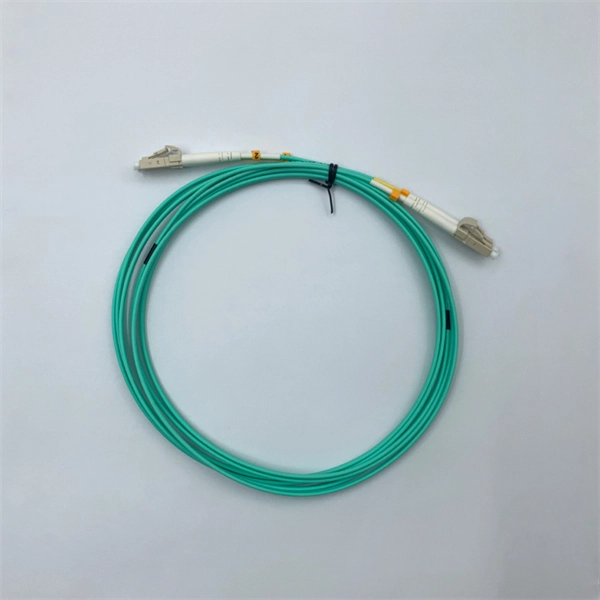
How to adjust the distance of optical fiber cable
Use multimode fiber for short-to-medium runs while choosing single‑mode or active repeaters for long distances. Signal loss, dispersion, connectors, and transceiver sensitivity set practical limits. Fiber optic cable transmission distance is determined by two primary physical...
-
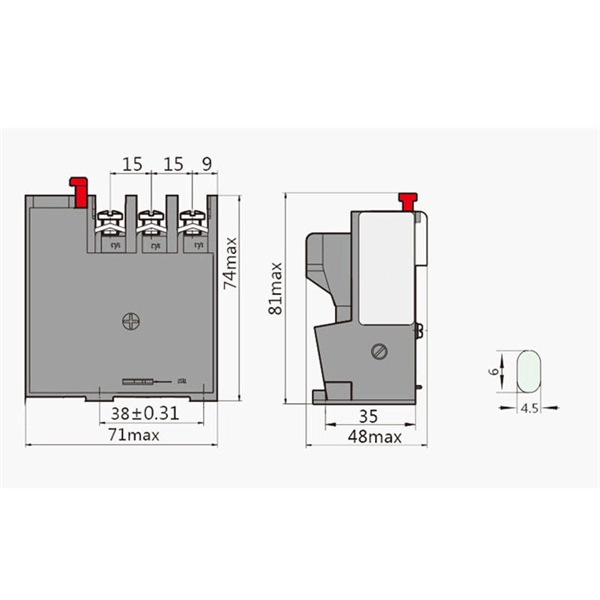
Distance of high-voltage busbar
The NEC requires a minimum spacing of 12 inches (305 mm) between busbars, but this can be reduced based on the busbar current and configuration. It requires consideration of voltage levels, environmental conditions, and manufacturing processes, adherence to relevant...
-
Distance of cable identification signs inside cable trays
Code Change Summary: New code language was added in Part III of Article 230 to specify how far apart the hazard labels must be placed to identify cable trays containing service entrance conductors. The spacing between trays, whether horizontal or vertical, depends on various...
[PDF Version]
-
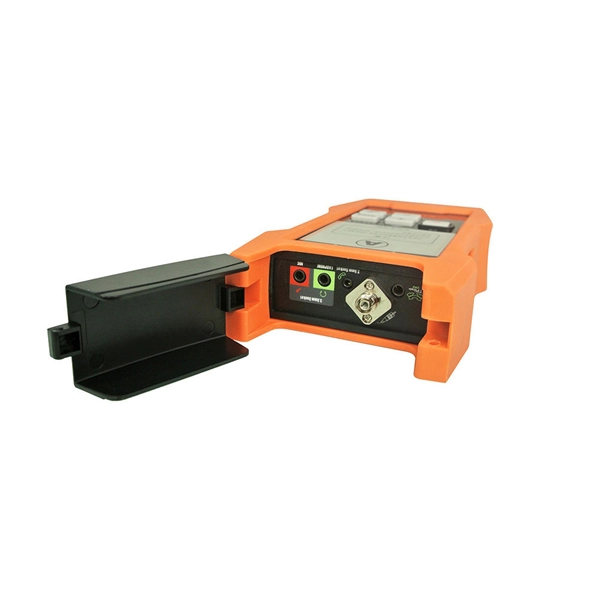
Drilling distance for distribution box
According to the NEC, when drilling a hole vertically into a wall, the hole should be at least 1. This distance ensures that the integrity of the wiring and electrical connections within the box is not. A distribution box is the heart of any electrical system. This blog post...