
Low Voltage Distribution Boxes Maintenance And Care
Search optical fiber, connectivity, cable management and network infrastructure references.
- Voltage
- Distribution
- Boxes
Articles and technical references
8 on this page-
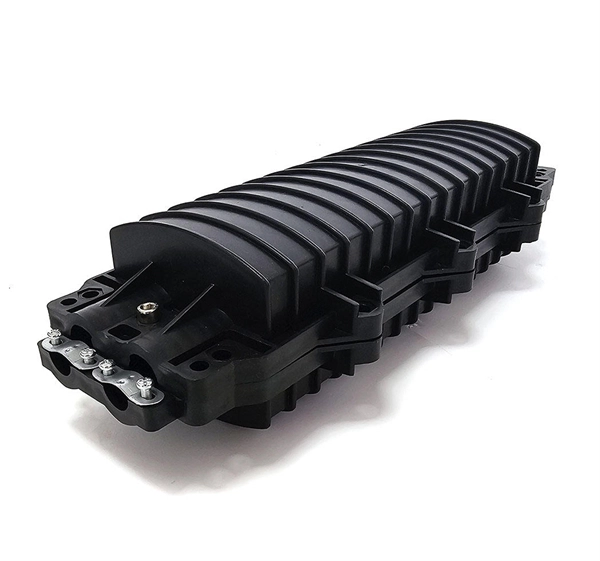
Maintenance of High Voltage Distribution Boxes
Maintenance of high voltage systems is crucial for ensuring their efficiency and longevity. Among the prominent practices employed are visual inspections, thermographic surveys, and insulation resistance testing. In this article. The only way to combat natural ageing of...
[PDF Version]
-
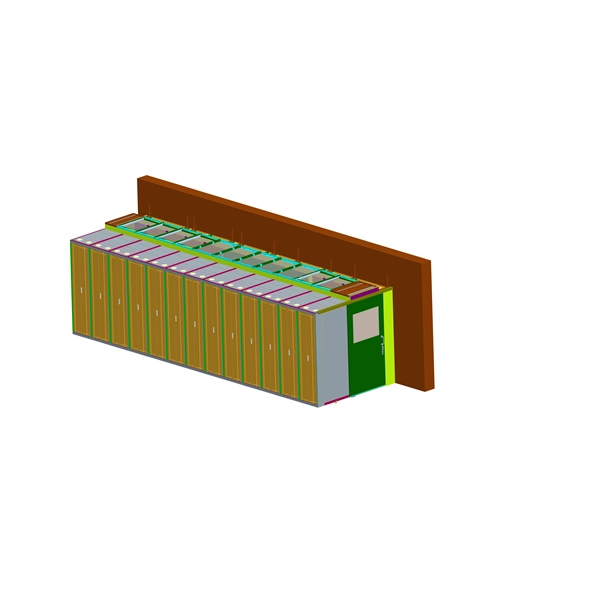
Distribution Box Low Voltage Circuit Diagram
This drawing shows a low-voltage electrical single-line diagram prepared for a complete building power distribution system. The diagram illustrates the incoming utility supply connected to the main low-voltage panel, including metering arrangement, circuit breakers...
[PDF Version]
-
Voltage in the distribution box circuit is too low
Check the electrical load and ensure that the sensors do not exceed the 10 Amp maximum. In North American homes, the standard voltage is typically 120 volts (V) for general circuits and 240V for large appliances. Always turn off the power before you start any inspection...
-
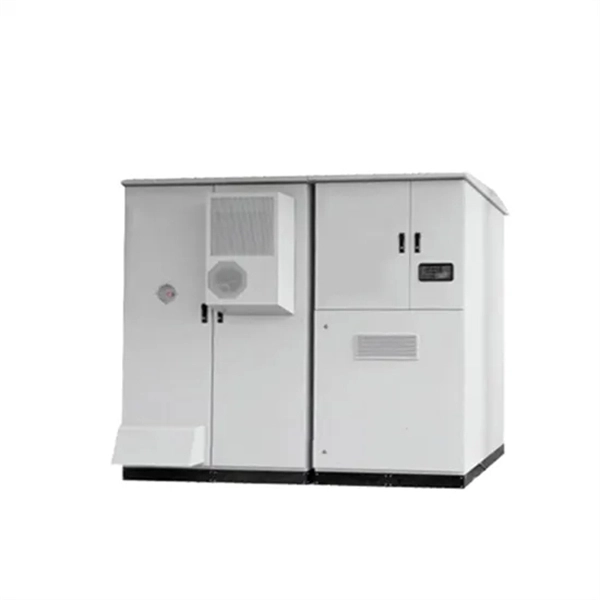
Comparison of Low Loss and Cost-Effectiveness Performance of Fiber Optic Distribution Boxes
Low-Loss Optical Fiber Low loss optical fibers are defined as optical fibers that exhibit minimal attenuation, with current records reaching as low as 0.14.
[PDF Version]
-
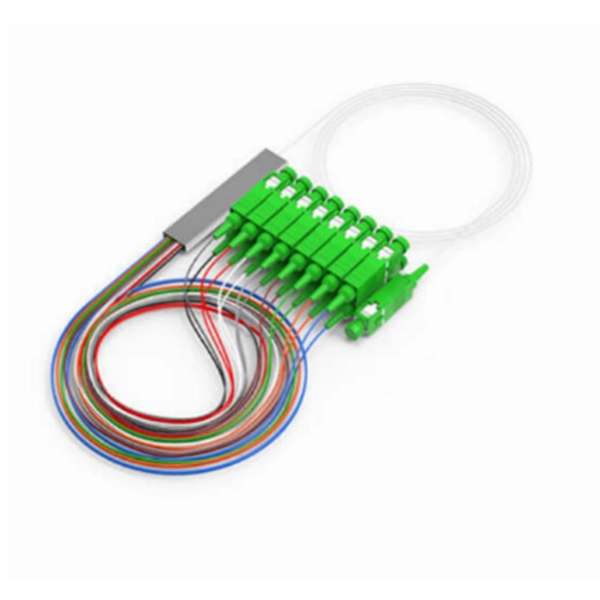
Relationship between switches and distribution boxes
Whereas a distribution box is designed to distribute electricity, a switchboard is used to operate and control electrical devices or processes. What is the difference between a distribution box and a switch box? If you are a novice electrician or an experienced professional...
-
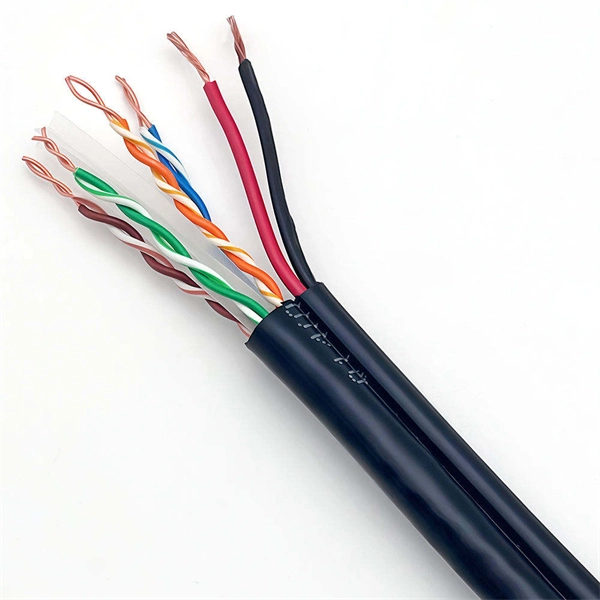
Concealed sockets in construction site distribution boxes
Concealed designs protect wiring inside boxes. Surface-mounted sockets are good for temporary power points that must be easy to see and reach. This reduces stress on cables and connectors. Construction sites are not. Modern solutions rely on portable distribution boxes...
[PDF Version]
-
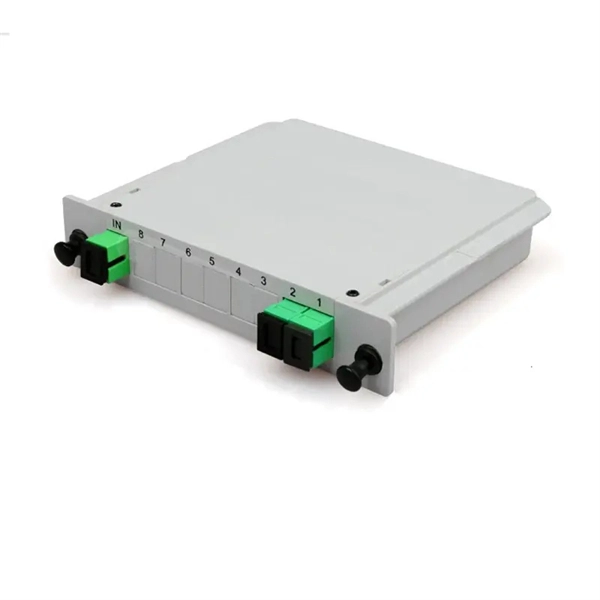
Standard requirements for the height of double-layer distribution boxes
Wall-mounted boxes should be 4. This height makes it easy to reach without bending or stretching. Ground-mounted boxes should be raised 2 to 4 inches to avoid. The proper installation of a distribution box involves placing it at the right height to ensure safety and...
[PDF Version]
-
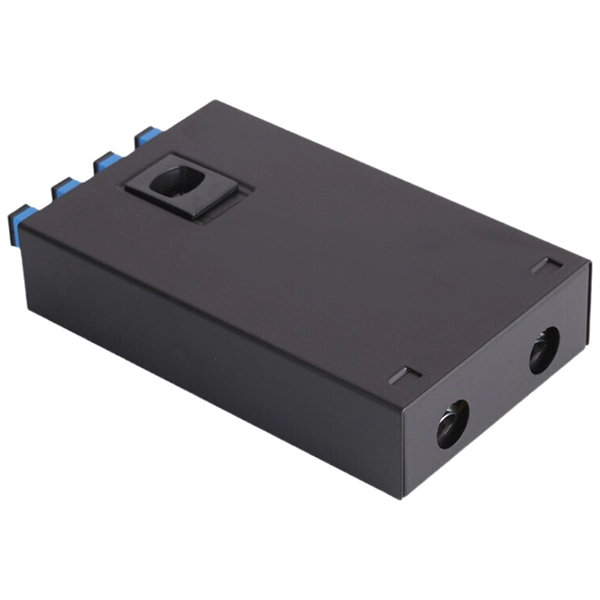
Selection Criteria for Protective Switches in Distribution Boxes
Selection Criteria: Choose based on current rating, voltage rating, and breaking capacity. Isolation switches, also known as disconnector switches or isolators, are mechanical switching devices designed to ensure that an electrical circuit can be completely de-energized for...
[PDF Version]